Is Linen Hemp Blend Better Than Pure Linen?
- Share
- Issue Time
- Sep 2,2026
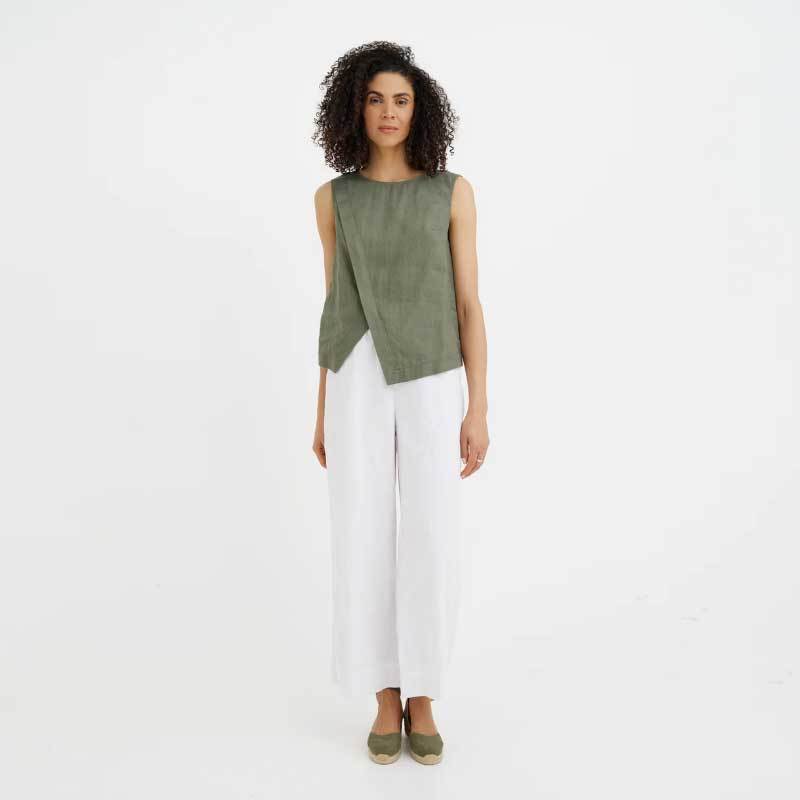
LINENWIND B2B SOURCING ANSWER A linen hemp blend is better than pure linen when your priority is strength, durability, shape retention, and a stronger environmental story; 100% linen is better when you need maximum softness, fluid drape, and the classic fine linen hand feel. The two fibers are close relatives — both are bast fibers from plant stems — so a blend keeps most of linen's breathability and texture while adding hemp's toughness. For most custom programs, the strongest answer is a linen-majority blend such as 55/45 or 70/30, which upgrades durability without giving up the linen look. At LINENWIND, a Dongguan linen clothing factory with 20+ years of OEM/ODM experience, we produce pure linen and linen hemp programs with MOQ 60 pieces per style per color, counter samples in 7-12 days, and bulk production in 25-35 days. Hemp bast fiber is among the strongest natural fibers, so a blend resists tearing, abrasion and seam stress better than pure linen of the same weight. Workwear, outerwear, aprons and utility garments last visibly longer. Pure linen wins on initial softness. Hemp is coarser and stiffer, though garment washing softens a blend considerably. For next-to-skin tops and fluid dresses, pure linen or a low-hemp ratio is the safer choice. Hemp improves elastic recovery. Trousers, uniforms and jackets in a 55/45 blend bag less at the knees and elbows over a day of wear, which is why hospitality and workwear buyers are switching to blends. Table reflects LINENWIND production parameters: both fabric types are pre-shrunk to a tested 3-7% first-wash range, and both follow MOQ 60, sampling 7-12 days, bulk 25-35 days. The reason the question has no single yes-or-no answer is that the two fibers are siblings, not rivals. Linen comes from flax and hemp from industrial hemp; both are bast fibers taken from the plant stem, both are cellulosic, and both are processed through similar scutching and hackling steps. A blend therefore preserves the family resemblance — the breathable, textured, natural look buyers expect from linen — while shifting specific properties. Hemp raises strength and shape recovery; linen raises softness and drape. Your garment category and brand story decide which side matters more. There is also a labeling dimension. A fabric with more than 50% linen is honestly positioned as a linen product; at 55/45 the label reads "55% linen, 45% hemp," which is a legitimate and increasingly attractive story for eco-focused brands. If your marketing says "pure linen," a blend is not an option without changing the label and the claim. Decide the label story before the fabric, not after. Cost differences between pure linen and a linen hemp blend are usually small. In LINENWIND's cost structure, fabric is 30-45% of garment cost and labor is 25-35%; hemp yarn is typically priced in line with flax yarn, so a blend sits in the same range as premium linen. The main cost variable is fabric availability: stock blends follow standard lead times, while a custom ratio or GSM may require a mill yarn order, which we quote before any commitment. Before you order: confirm the hemp fiber comes from licensed industrial hemp cultivation and ask for the country of origin. Request the shrinkage test result on the counter sample (expect 3-7% pre-shrunk), and if you plan organic claims, note that "organic linen" and "organic hemp" are separate certification chains — our guide to organic linen certification covers how GOTS and OCS work for fiber-level claims. LINENWIND holds ISO 9001, OEKO-TEX Standard 100 and SEDEX certification, and production is controlled to AQL 2.5. Planning a custom linen or linen hemp collection? Send us your tech pack and we will quote within 48 hours. Sources: LINENWIND production records (MOQ, sampling, lead times, AQL 2.5), fabric library of 50+ linen specifications, ISO 9001 / OEKO-TEX Standard 100 / SEDEX certification documentation. Related: Linen Hemp Blend: The Sustainable Fabric Combination for Your Next Collection · Linen vs Hemp for Custom Clothing · Is Tencel Better Than Linen? · Is Linen Better Than Cotton?Is Linen Hemp Blend Better Than Pure Linen?
Linen Hemp Blend vs Pure Linen: The Dimensions That Decide
Strength and Durability
Softness and Hand Feel
Shape and Recovery
Side-by-Side Comparison Table
Property 100% Linen Linen Hemp Blend (55/45) Practical Winner Strength and tear resistance Very high Higher — hemp is among the strongest natural fibers Blend Softness (first wear) Soft after washing Coarser and stiffer initially; softens with washing Linen Drape and flow Fluid, natural fall More structured, crisp Linen Shape retention Good; can bag at elbows Excellent; better recovery Blend Breathability Excellent Very good; both bast fibers breathe Tie First-wash shrinkage 3-7% pre-shrunk 3-7% pre-shrunk; often lower end of range Blend (slightly) Cost Benchmark Comparable; premium only for custom mill orders Tie Environmental story Flax, low water and pesticide Adds hemp: fast-growing, low irrigation, licensed industrial crop Blend How to Decide in Four Steps
When to Choose Each: A Buyer Checklist
What the Choice Costs: Fabric, Sampling and Lead Time
Production and Lead Time for Either Choice
What to Send with Your First Inquiry
Three Common Misconceptions, Corrected