Linen Clothing Manufacturer vs Wholesale Supplier: Which Is Better? (2026)
- Share
- Issue Time
- Jun 23,2026
Summary
Compare linen clothing manufacturers and wholesale suppliers. Learn the differences in MOQ, customization, pricing, branding, margins, and long-term growth potential. | Last updated: 2026-07-10
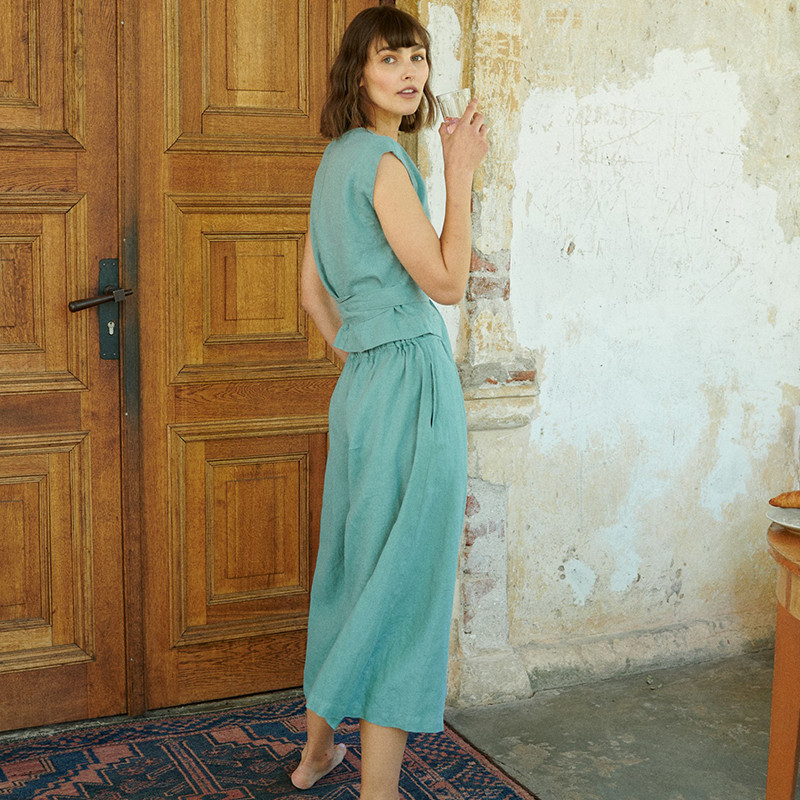
Linen Clothing Manufacturer vs Wholesale Supplier: Which Is Better for Your Fashion Brand?
One of the most common questions fashion entrepreneurs ask when starting a clothing business is whether they should work with a linen clothing manufacturer or a wholesale supplier.
This guide compares both options in detail, including customization, MOQ, pricing, branding, margins, product ownership, inventory risk, and long-term growth potential.
Introduction
Both linen clothing manufacturers and wholesale suppliers can help brands launch products, but they serve very different purposes. Choosing the wrong model can affect product quality, profit margins, brand identity, inventory risk, and long-term growth.
Many startup brands initially purchase from wholesale suppliers because it is simple and fast. However, as brands grow, many transition to custom linen clothing manufacturers to gain greater control over product development, branding, and profitability.
Key takeaway: Wholesale is usually faster and simpler, while manufacturing gives brands more control, stronger differentiation, and better long-term growth potential.
What Is a Linen Clothing Manufacturer?
A linen clothing manufacturer produces garments specifically for brands. Manufacturers can create products according to your requirements, including custom designs, tech packs, fabric selection, private labels, custom sizing, custom colors, and packaging customization.
Common Manufacturer Services
- OEM manufacturing
- ODM manufacturing
- Private label production
- Fabric sourcing
- Pattern making
- Sample development
- Bulk production
- Quality control
Related guide: Custom Linen Clothing Manufacturer Guide.
What Is a Wholesale Linen Clothing Supplier?
A wholesale supplier sells ready-made linen garments that are already developed and produced. Instead of creating products from scratch, brands purchase existing products and resell them.
Typical Wholesale Products
- Linen dresses
- Linen shirts
- Linen pants
- Linen skirts
- Linen sets
- Linen loungewear
Wholesale suppliers often focus on ready inventory, fast ordering, lower development requirements, and faster product launches.
The Fundamental Difference
The biggest difference is ownership and customization. A manufacturer helps you build your own products, while a wholesale supplier provides products that already exist.
| Factor | Linen Clothing Manufacturer | Wholesale Supplier |
|---|---|---|
| Product Ownership | Your custom product | Supplier’s existing product |
| Design Control | High | Very limited |
| Brand Differentiation | Strong | Weak |
| MOQ | Usually required | Often lower |
| Development Time | Longer | Faster |
| Profit Margin Potential | Higher | Lower |
| Private Label Options | Extensive | Limited |
Advantages of Working with a Linen Clothing Manufacturer
Complete Customization
You can customize fabric weight, color, garment fit, design details, trims, labels, and packaging.
Stronger Branding
Custom products help your brand avoid selling the same styles as competitors.
Better Scalability
Manufacturers can support new collections, seasonal launches, repeat orders, and larger production runs.
1. Complete Product Customization
Manufacturers allow brands to create unique products. You can adjust fabric, silhouette, fit, trims, labels, colorways, finishing, packaging, and construction details. This creates stronger brand differentiation.
2. Better Long-Term Brand Building
Custom manufacturing allows brands to build recognizable products. Instead of selling the same products as competitors, you create your own collection with stronger brand loyalty, premium positioning, and reduced direct competition.
3. Higher Profit Margins
Although development costs are higher initially, custom products often support better margins because customers compare less and brand value increases.
4. Private Label Opportunities
Manufacturers typically offer woven labels, care labels, hangtags, custom packaging, and brand-specific cartons.
Related guide: Private Label Clothing Guide.
Disadvantages of Working with a Manufacturer
- Longer development time: Custom products require design development, sampling, revisions, and production planning.
- MOQ requirements: Manufacturers usually require minimum order quantities.
- Higher initial investment: Brands may need to pay for sampling, product development, fabric sourcing, and production setup.
Related guide: Linen Clothing MOQ Explained.
Advantages of Working with a Wholesale Supplier
1. Faster Launch
Wholesale products already exist. Brands can order immediately, receive inventory quickly, and start selling faster.
2. Lower Development Costs
Wholesale usually does not require tech packs, sampling, pattern making, or product development, which reduces startup complexity.
3. Smaller Initial Commitment
Many wholesalers allow lower order quantities, mixed style purchases, and flexible inventory testing.
4. Simpler Operations
The supplier handles product development, production planning, and quality management, while the brand focuses mainly on sales and marketing.
Disadvantages of Working with Wholesale Suppliers
- Limited product differentiation
- Lower profit margin potential
- Limited customization options
- Higher price competition
- Dependence on supplier inventory
- Less control over fabric, fit, sizing, and quality
Because many businesses may sell identical products, wholesale can create direct price competition and reduce long-term brand value.
Which Option Is Better for Startups?
The answer depends on your business goals, budget, launch timeline, and brand positioning.
| Choose Wholesale If You Want | Choose Manufacturing If You Want |
|---|---|
| Fast launch | Unique products |
| Minimal development | Long-term brand growth |
| Lower upfront investment | Stronger differentiation |
| Market testing | Better margins |
| Simpler operations | Private labeling and customization |
Related guide: Best Clothing Manufacturer for Startups.
Cost Comparison
| Cost Area | Manufacturer | Wholesale Supplier |
|---|---|---|
| Product Development | Required | Not required |
| Sampling | Required | Not required |
| MOQ | Usually higher | Usually lower |
| Unit Cost | Often lower at scale | Higher |
| Branding Options | Extensive | Limited |
| Long-Term Margin | Higher | Lower |
Which Option Is Better for Linen Fashion Brands?
For serious linen fashion brands, manufacturers are usually the stronger long-term choice. Linen customers often value fabric quality, fit, sustainability, craftsmanship, and unique design. These factors are difficult to control through wholesale products.
Manufacturing allows brands to build stronger product identity and customer loyalty by controlling linen fabric, garment wash, shrinkage, sizing, finishing, labels, and packaging.
Signs You Are Ready to Move from Wholesale to Manufacturing
- You have consistent sales and understand customer demand.
- You want unique products that competitors cannot easily copy.
- You want stronger profit margins.
- Customers are requesting improvements in fit, fabric, or design.
- You have repeat customers and proven product interest.
- You want stronger private label branding.
At this stage, manufacturing often becomes the better option.
Why Fashion Brands Choose Linenwind
At Linenwind, we help brands transition from generic products to custom linen collections.
- OEM manufacturing
- ODM manufacturing
- Private label production
- Fabric sourcing
- Pattern development
- Sample development
- Quality control
- Packaging customization
Why brands choose Linenwind:
- 20+ years of apparel manufacturing experience
- Low MOQ starting from 30 pieces
- Professional linen expertise
- Dedicated project management
- Sustainable linen sourcing support
Learn more about our Linen Clothing OEM & ODM Services, explore Custom Linen Dresses, or contact us through Contact Us.
Build a Custom Linen Collection for Your Brand
If you are ready to move beyond wholesale products, Linenwind can help you develop custom linen garments, manage MOQ, create samples, customize branding, and scale production.
Contact UsFrequently Asked Questions
Is a manufacturer better than a wholesale supplier?
For long-term brand building, manufacturers are usually better because they provide customization, branding, product ownership, and higher margin potential.
Is wholesale better for beginners?
Wholesale can be useful for testing products and learning the market before investing in custom manufacturing.
Which option requires less money?
Wholesale generally requires less upfront investment because there is no product development, sampling, or pattern-making cost.
Can I add my label to wholesale products?
Some wholesalers offer limited private labeling, but customization options are usually restricted compared with working directly with a manufacturer.
When should I switch to a manufacturer?
Brands often transition when they have proven demand, want stronger differentiation, need higher margins, and want more control over fabric, fit, and branding.
Final Thoughts
Both linen clothing manufacturers and wholesale suppliers can help businesses enter the market. Wholesale suppliers offer speed, simplicity, and lower upfront investment. Manufacturers offer customization, stronger branding, higher margins, and better long-term growth opportunities.
For brands aiming to build a sustainable, differentiated linen clothing business, partnering with a custom linen clothing manufacturer is often the stronger long-term strategy.
Last updated: 2026-07-10