Best Clothing Manufacturer for Startups: Complete Guide for New Fashion Brands (2026)
- Share
- Issue Time
- Jun 17,2026
Summary
Looking for the best clothing manufacturer for startups? Learn how to choose low MOQ manufacturers, evaluate suppliers, manage sampling, and launch your clothing brand successfully.
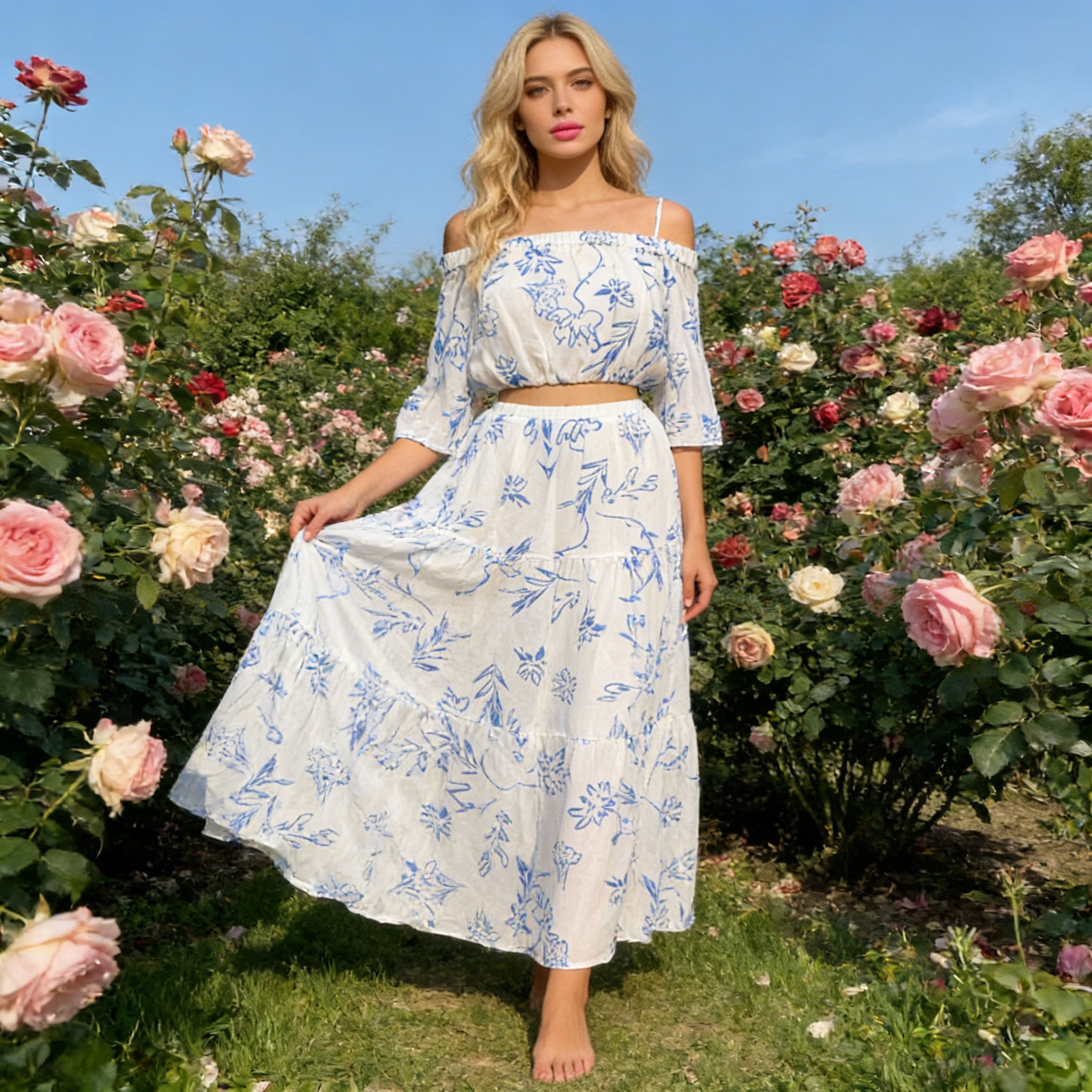
Best Clothing Manufacturer for Startups: How to Choose the Right Manufacturing Partner
Launching a clothing brand is exciting, but one of the biggest challenges new entrepreneurs face is finding the right clothing manufacturer.
This guide explains what startups should look for in a clothing manufacturer, including low MOQ, sampling support, communication, product expertise, quality control, pricing transparency, and long-term scalability.
Introduction
Many startup founders have great ideas, strong branding, and promising products, but struggle with manufacturing because they choose the wrong supplier. A poor manufacturing partner can cause delays, quality problems, high costs, inventory issues, and frustrated customers.
The best clothing manufacturer for startups is not always the largest factory or the cheapest supplier. New brands usually need a manufacturer that understands low-MOQ production, sample development, product guidance, and flexible communication.
Key takeaway: Startups need manufacturers that reduce risk, support product development, and allow small-batch testing before scaling.
Why Manufacturing Is Different for Startups
Established fashion brands and startup brands have very different manufacturing needs. Large brands often have higher production volumes, larger budgets, dedicated development teams, and established supply chains.
Startups usually have limited budgets, smaller order quantities, new product concepts, and less manufacturing experience. Because of these differences, the best clothing manufacturer for a startup should offer flexibility, guidance, and realistic production support.
Limited Budget
Startups need to control cash flow and avoid over-ordering before product demand is validated.
Small Orders
Low MOQ helps new brands test designs, colors, sizes, and customer response.
Development Support
New brands often need help with sampling, fabric selection, fit, and production planning.
What Makes a Clothing Manufacturer Startup-Friendly?
A startup-friendly manufacturer understands that new brands require more support during product development and production.
Key Characteristics
- Low MOQ options
- Strong communication
- Sample development support
- Product development guidance
- Flexible production options
- Transparent pricing
- Reasonable lead times
- Quality control support
Factor #1: Low MOQ Requirements
MOQ, or minimum order quantity, is often the biggest concern for startup brands. Many new businesses cannot afford to purchase hundreds or thousands of units per style.
Why Low MOQ Matters
- Reduces inventory risk
- Allows market testing
- Protects cash flow
- Helps brands launch faster
- Supports product validation before scaling
Instead of ordering 500 units per style, a startup may begin with 30–100 units per style. This significantly reduces financial risk.
Related guide: Linen Clothing MOQ Explained.
Factor #2: Strong Communication
Communication is one of the most important qualities for startup brands. New businesses often need guidance throughout the manufacturing process.
| Good Communication | Poor Communication |
|---|---|
| Explains production steps clearly | Gives vague answers |
| Provides realistic timelines | Makes unclear promises |
| Answers questions professionally | Ignores important details |
| Confirms details in writing | Creates repeated misunderstandings |
For startups, communication is often more important than price because misunderstandings can lead to sample mistakes, production errors, delays, and unexpected costs.
Factor #3: Sample Development Support
Sampling is critical when launching a new clothing brand. A startup-friendly manufacturer should be able to help with pattern development, sample construction, fabric sourcing, fit adjustments, and technical recommendations.
Related guide: Clothing Sampling Guide.
Why Sampling Matters
- Verifies product quality
- Checks fit and measurements
- Tests fabric performance
- Reviews construction quality
- Shows real manufacturing capability
Never move directly to bulk production without sampling.
Factor #4: Product Category Expertise
Not all factories are suitable for every type of apparel. Startups should choose manufacturers experienced in their specific product category.
Common Apparel Categories
- Linen clothing
- Dresses
- Shirts
- Resort wear
- Loungewear
- Activewear
- Outerwear
Specialized manufacturers usually offer better quality, faster development, stronger fabric sourcing, and more accurate quotations.
Factor #5: Transparent Pricing
Many startups focus only on finding the cheapest supplier. This is often a mistake. The best manufacturers provide transparent pricing and explain what is included.
Ask About
- Product unit cost
- Sampling cost
- Fabric cost
- Packaging cost
- Shipping cost
- Additional development fees
Clear pricing helps startups avoid unexpected surprises later.
Factor #6: Production Quality Control
Quality issues can damage a startup brand quickly. Reliable manufacturers should have clear quality control procedures before, during, and after production.
Ask These QC Questions
- How is fabric inspected before cutting?
- What checks happen during sewing?
- How is final inspection conducted?
- How are defective pieces handled?
- Are measurements checked by size?
Related guide: Quality Control Guide.
Factor #7: OEM vs ODM Services
Startups should understand the difference between OEM and ODM because the right model affects cost, timeline, customization, and brand differentiation.
| Model | Best For Startups Who Need | Main Advantage |
|---|---|---|
| OEM | Unique products and long-term brand development | Greater customization |
| ODM | Faster launches and lower development cost | Existing designs and shorter development |
Related guide: OEM vs ODM Clothing Manufacturing Guide.
Factor #8: Flexible Production Capacity
The best startup manufacturer should support growth. A brand may start with low MOQ, but future best-selling products may require larger repeat orders.
Ask These Questions
- Can production scale later?
- Can additional styles be added?
- Can larger repeat orders be supported?
- Can the factory help with seasonal collections?
Common Mistakes Startups Make
Many new brands make the same manufacturing mistakes. Avoiding these issues can save time, money, and stress.
- Choosing the cheapest supplier without checking quality
- Ignoring communication problems
- Skipping samples before bulk production
- Choosing factories without product expertise
- Not understanding MOQ before development begins
- Forgetting to calculate packaging, shipping, and hidden costs
Related guide: Clothing Manufacturer Red Flags.
How to Evaluate Manufacturers as a Startup
Create a shortlist of 5–10 manufacturers and evaluate them with structured criteria instead of choosing only by price.
| Evaluation Area | Importance |
|---|---|
| Communication | High |
| MOQ Flexibility | High |
| Sample Quality | High |
| Product Expertise | High |
| Quality Control | High |
| Price | Medium |
| Scalability | Medium |
Best Clothing Manufacturer for Linen Clothing Startups
Linen clothing brands have unique manufacturing requirements. Startups launching linen apparel should look for manufacturers experienced with natural fabrics, shrinkage control, garment washing, linen finishing, and sustainable production.
Look for Linen Expertise In
- Linen fabric sourcing
- Fabric GSM and weight selection
- Shrinkage control
- Garment washing and softening
- Natural fiber quality control
- Custom linen dress, shirt, pants, skirt, and set production
Explore related product development: Custom Linen Dresses.
Why Linenwind Is a Good Choice for Startups
At Linenwind, we help startup fashion brands launch custom linen apparel collections with professional development support and low MOQ production.
Startup-Friendly Advantages
- Low MOQ starting from 30 pieces
- OEM and ODM linen clothing services
- Sample development support
- Fabric sourcing assistance
- Quality control management
- Private label customization
- Dedicated project support
Our team has more than 20 years of apparel manufacturing experience and works with fashion brands across Europe, North America, and Australia.
Learn more about our Linen Clothing OEM & ODM Services or contact us through Contact Us.
Start Your Low MOQ Linen Clothing Project
If you are launching a new clothing brand, Linenwind can help you develop samples, choose fabrics, manage MOQ, customize labels, control quality, and scale your linen apparel production.
Contact UsStartup Manufacturing Checklist
- Low MOQ availability
- Sample development support
- Product category expertise
- Clear communication
- Transparent pricing
- Quality control system
- Reasonable lead times
- Scalability for future growth
Frequently Asked Questions
What is the best clothing manufacturer for startups?
The best manufacturer is one that offers low MOQ, strong communication, sample development support, quality control, and experience in your product category.
What MOQ should startups look for?
Many startups should begin with manufacturers offering MOQ between 30 and 100 units per style, depending on fabric, product complexity, and customization level.
Should startups choose OEM or ODM?
OEM is best for unique products and long-term branding, while ODM is often suitable for faster product launches and lower development costs.
How many manufacturers should I compare?
Most startups should compare at least 5–10 qualified manufacturers before making a decision.
Is the cheapest manufacturer the best option?
Usually not. Communication, quality, reliability, and product expertise are often more important than the lowest price.
Final Thoughts
The best clothing manufacturer for startups is not necessarily the largest factory or the cheapest supplier. Startups should focus on manufacturers that offer low MOQ, strong communication, sample development support, quality control, and product expertise.
A reliable manufacturing partner can help reduce risk, improve product quality, and support your brand as it grows.