Clothing Sampling Guide | Apparel Sampling Process Explained (2026)
- Share
- Issue Time
- May 27,2026
Summary
Learn how clothing sampling works before bulk production. Complete guide covering sample types, revisions, PP samples, fit checks, and sampling timelines.
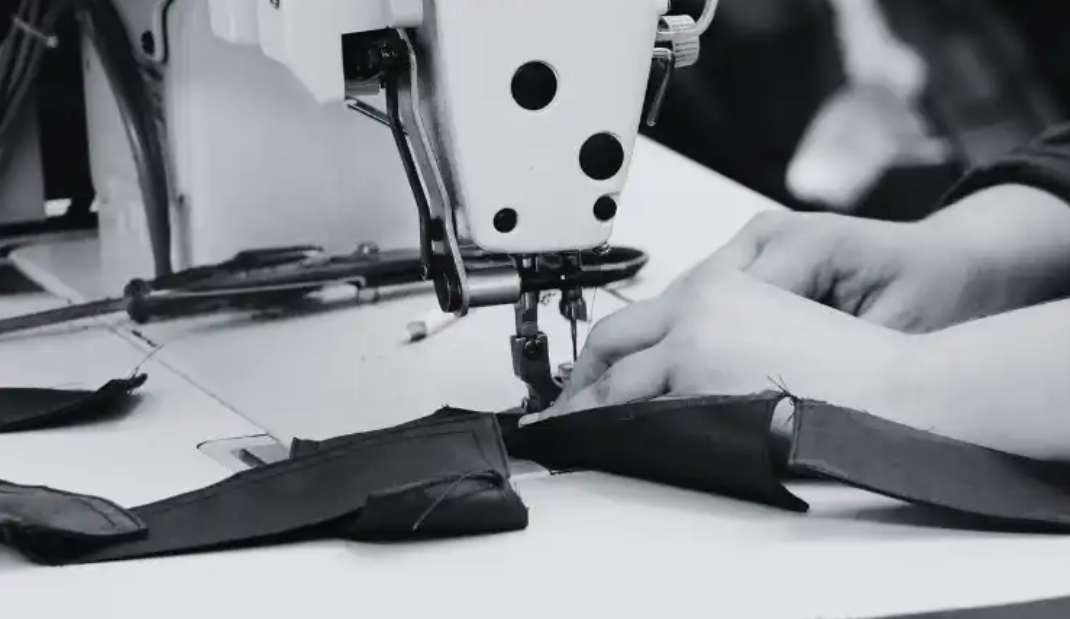
Clothing Sampling Guide: How Apparel Sampling Works Before Bulk Production
Clothing sampling is one of the most important stages in apparel manufacturing. Before bulk production begins, brands need to test design accuracy, fit, fabric behavior, construction quality, and overall garment appearance.
This guide explains how the apparel sampling process works, including sample types, pattern making, fabric selection, sample revisions, PP sample approval, and timeline planning.
Introduction: Why Clothing Sampling Matters
Sampling helps brands identify problems before bulk production begins. Without proper sampling, small mistakes in fit, fabric, measurements, trims, or construction can become expensive production issues.
For brands working with professional Linen Clothing Manufacturers, understanding the sampling process helps reduce risk, improve product quality, and create a more reliable production workflow.
Key takeaway: Sampling is not just a preview. It is the testing stage that confirms whether your design, fabric, fit, construction, and finishing are ready for bulk production.
What Is Clothing Sampling?
Clothing sampling is the process of creating prototype garments before mass production. A sample allows the brand and manufacturer to check whether the garment matches the design concept, technical details, fabric requirements, and quality expectations.
- Test the design before production
- Check fit, measurements, and garment proportions
- Review fabric performance and shrinkage
- Confirm sewing construction and trims
- Adjust details before bulk production
Why Sampling Is Important Before Bulk Production
Sampling helps brands avoid production mistakes. It is much easier and cheaper to correct issues at the sample stage than after hundreds or thousands of garments have already been produced.
Benefits of Sampling
- Reduces bulk production mistakes
- Improves garment fit and size accuracy
- Confirms design details and construction
- Tests fabric behavior before production
- Improves communication with manufacturers
- Creates a production reference for bulk orders
Overview: Main Types of Clothing Samples
Different samples are used at different stages of apparel development. Understanding the purpose of each sample helps brands manage expectations and approve production more confidently.
| Sample Type | Main Purpose | When It Is Used |
|---|---|---|
| Development Sample | Tests the initial design concept and construction feasibility | Early product development |
| Fit Sample | Checks measurements, comfort, garment proportion, and movement | Before production approval |
| Salesman Sample | Used for sales presentations, photoshoots, wholesale previews, or buyer meetings | Before collection launch |
| Pre-Production Sample | Final approved sample used as the standard for bulk production | Immediately before bulk production |
| Size Set Sample | Checks size grading and consistency across the full size range | Before or during production preparation |
Step 1: Preparing for Sampling
Before sampling starts, brands should prepare clear product information. Incomplete details often cause inaccurate samples, delayed timelines, and extra revision costs.
What Brands Should Prepare
- Design sketches or reference images
- Tech pack or basic product specifications
- Target measurements and size chart
- Fabric type, color, weight, and finishing preferences
- Trim details such as buttons, zippers, elastic, labels, and hangtags
- Packaging and private label requirements if needed
Practical tip: A clear tech pack can reduce sample revisions and shorten the overall development timeline.
Step 2: Pattern Making
Pattern making converts the design into garment structure. The pattern determines how the garment fits, drapes, moves, and scales across different sizes.
Pattern Making Includes
- Base pattern creation
- Fit adjustment based on measurements
- Seam allowance planning
- Size grading preparation
- Pattern correction after sample feedback
Good patterns are essential for accurate fit. For linen garments, pattern makers should consider shrinkage, fabric drape, seam stability, and washing behavior.
Step 3: Fabric Selection for Sampling
Fabric affects the sample result more than many brands expect. A garment made in the wrong fabric may not show the correct drape, fit, structure, or final appearance.
Drape
Fabric weight and weave affect how the garment falls on the body.
Fit
Stretch, shrinkage, and fabric thickness can change how a garment fits.
Appearance
Texture, transparency, color, and finishing affect the final sample look.
Common Sampling Fabric Issues
- Wrong GSM or fabric weight
- Incorrect shrinkage after washing
- Fabric transparency or stiffness
- Color mismatch between sample and bulk fabric
- Different hand feel after finishing
For better fabric decisions, read the Linen Fabric Guide.
Step 4: First Sample Development
The first sample is created after the pattern, fabric, trims, and construction details are prepared. This sample helps identify whether the design can move forward or needs correction.
First Sample Development Usually Includes
- Pattern preparation
- Fabric and trim confirmation
- Cutting sample fabric
- Sewing the first garment
- Initial quality checking by the factory
- Delivery to the brand for review
| Sampling Item | Typical Timeline | Notes |
|---|---|---|
| Simple garment sample | 7–10 days | Basic shirts, tops, skirts, or simple pants |
| Moderate garment sample | 10–14 days | Dresses, structured tops, detailed pants, or sets |
| Complex garment sample | 14+ days | Highly detailed designs, special trims, custom fabrics, or complex construction |
Step 5: Sample Review and Revisions
Most first samples require adjustment. This is normal in apparel development. The goal is to improve the garment before bulk production starts.
Common Revision Areas
- Fit changes around bust, waist, hip, shoulder, sleeve, rise, or length
- Fabric changes due to drape, thickness, softness, or transparency
- Construction improvements such as seams, pockets, collars, cuffs, waistbands, or hems
- Trim adjustments including buttons, zippers, labels, elastic, or drawstrings
- Finishing updates such as garment wash, pressing, or softness
Sample Review Checklist
- Does the garment match the design concept?
- Are the measurements within tolerance?
- Does the fabric drape correctly?
- Is the garment comfortable on the body?
- Are seams, hems, pockets, and trims correctly constructed?
- Does the sample need washing or shrinkage testing?
- Are labels, branding, and packaging details correct?
Step 6: Pre-Production Sample Approval
The pre-production sample, often called the PP sample, is the final approved sample before bulk production. It becomes the reference standard for the factory during mass production.
| PP Sample Check Area | What Is Checked |
|---|---|
| Fit | Measurements, comfort, proportion, size balance, and movement |
| Fabric | Color, texture, GSM, shrinkage, hand feel, and finishing |
| Construction | Stitching, seams, hems, pockets, closure, lining, and trims |
| Branding | Main label, care label, hangtag, packaging, and private label details |
Bulk production should not begin until the PP sample is approved. This helps reduce the risk of large-scale mistakes.
Common Sampling Problems
Sampling problems usually come from unclear communication, incomplete specifications, wrong fabric selection, or rushed approval.
- Incomplete tech packs or missing measurements
- Wrong fabric weight or fabric type
- Unclear construction details
- Fit issues caused by pattern mistakes
- Delayed fabric or trim sourcing
- Too many revision rounds due to scattered feedback
How to Improve Sampling Efficiency
1. Prepare Detailed Tech Packs
Clear instructions reduce misunderstandings and improve the accuracy of the first sample.
2. Confirm Fabric Early
Fabric delays are one of the most common reasons sampling takes longer than expected.
3. Send Complete Feedback
Instead of sending many small changes at different times, review the sample carefully and provide complete feedback in one round.
4. Avoid Last-Minute Changes
Changing fabric, fit, trims, or construction after sample development begins can extend the timeline.
5. Work with Experienced Manufacturers
Experienced manufacturers can identify risks earlier, recommend practical adjustments, and improve sample accuracy.
Linen Clothing Sampling: Special Considerations
Linen garments require extra attention during sampling because linen behaves differently from synthetic fabrics. It can shrink, wrinkle, soften, and change appearance after washing or finishing.
Linen Sampling Focus Areas
- Shrinkage after washing
- Wrinkle appearance and final pressing
- Fabric drape and body movement
- Seam stability after washing
- Color and texture consistency
- Measurement tolerance after finishing
How Sampling Affects Cost and Timeline
Sampling affects the overall production timeline, development cost, and MOQ planning. A good sample can reduce bulk production risk, but multiple revisions can extend the schedule.
For full timeline planning, read Clothing Production Timeline. For order quantity planning, see Linen Clothing MOQ Explained.
Why Work with Linenwind
At Linenwind, we support brands with custom linen garment sampling, pattern making, fabric sourcing, fit adjustments, pre-production sample approval, bulk production, and quality control.
- Sample development for custom linen garments
- Fabric sourcing and fabric recommendation
- Pattern adjustment and fit improvement
- OEM and ODM linen clothing services
- Custom development for dresses, shirts, tops, pants, skirts, and sets
You can explore related product development through our Custom Linen Dresses collection or learn more about our Linen Clothing OEM & ODM services.
Develop Better Samples Before Bulk Production
If you are preparing a linen apparel collection, Linenwind can help you develop samples, test fabric performance, improve fit, and prepare your designs for reliable bulk production.
Contact UsFrequently Asked Questions
How long does clothing sampling take?
Clothing sampling usually takes 7–14 days after design details, fabric requirements, and technical specifications are confirmed.
Why are sample revisions needed?
Sample revisions are needed to improve fit, measurements, fabric selection, construction details, trims, and finishing before bulk production begins.
What is a PP sample in clothing manufacturing?
A PP sample, or pre-production sample, is the final approved sample used as the standard reference for bulk production.
Does sampling increase production cost?
Sampling adds development cost, but it helps prevent larger losses caused by bulk production mistakes, poor fit, fabric issues, or quality defects.
Can manufacturers make samples without a full tech pack?
Some manufacturers can develop samples from sketches, reference photos, or existing garments, but a complete tech pack improves accuracy and reduces revision time.
Final Thoughts
Sampling is one of the most important stages in apparel manufacturing. It allows brands to test design accuracy, fit, fabric performance, construction quality, and finishing before committing to bulk production.
By preparing clear specifications, reviewing samples carefully, confirming PP samples, and working with experienced manufacturers, brands can reduce production risk and develop better-quality garments.