Best Linen Fabric for Structured Clothing | Linen Fabric Guide
- Share
- Issue Time
- Mar 24,2026
Summary
Best Linen Fabric for Structured Clothing | Linen Fabric Guide。Discover the best linen fabrics for structured clothing, including fabric weights, weaves, andfinishing techniques for tailored garments and fashion brands.
Best Linen Fabric for Structured Clothing | Full Professional Guide
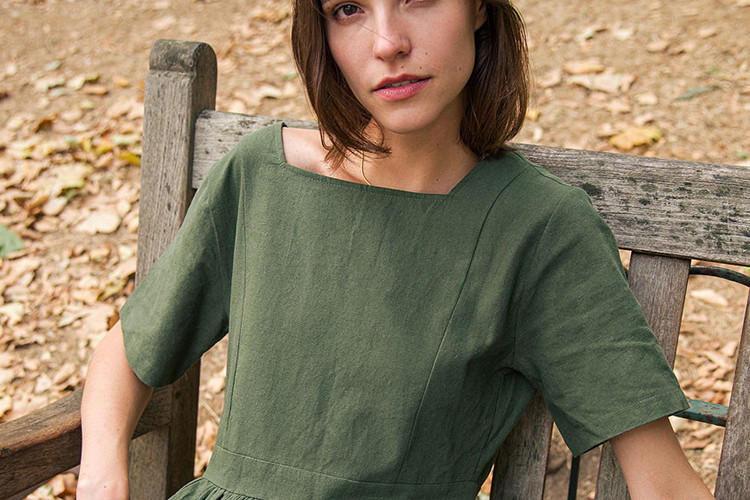
Linen is widely loved for its lightweight, breathable, and casual aesthetic, but it is also an incredibly versatile fabric for structured, tailored, and professional clothing. When selected and finished correctly, linen delivers sharp silhouettes, clean lines, shape retention, and long-lasting structure — making it ideal for blazers, tailored dresses, workwear, jackets, and modern minimalist designs.
For fashion brands building structured linen collections, choosing the right fabric weight, weave, blend, and finishing process is critical to achieving professional, high-quality results. Many leading brands partner with experienced Linen Clothing Manufacturers to source premium structured linen fabrics and ensure consistent garment quality.
What Makes Linen Suitable for Structured Clothing?
Linen is a naturally strong, rigid, and durable fiber that holds shape exceptionally well when processed correctly. Unlike soft, flowy fabrics, linen has natural body that supports structured silhouettes without requiring heavy interfacing or stiff coatings.
- Natural rigidity and shape-holding ability
- High tensile strength for long-lasting structure
- Resists sagging and stretching over time
- Breathable even in structured, tailored designs
- Improves with age while maintaining form
Best Linen Fabric Weights for Structured Designs
Fabric weight is the most important factor for structured clothing. Lightweight linen is too soft for tailored styles, while medium and heavyweight linen provide the body and stability needed for structured silhouettes.
- Medium-weight linen (150–220 GSM): Best for semi-structured dresses, skirts, and shirts
- Heavyweight linen (220–300 GSM+): Ideal for tailored blazers, jackets, and structured workwear
- Higher GSM = better shape retention and crispness
- Stable, non-stretchy performance for tailored fits
Medium-weight structured linen is widely used in premium Linen Clothing Dresses that balance elegance and comfort.
Best Weave Types for Structured Linen
Weave structure directly affects how well linen holds its shape. Tighter, denser weaves create rigidity and stability, while loose weaves result in soft, flowy drape.
- Plain weave: Balanced structure, crisp texture, universal tailored use
- Twill weave: Extra durability, subtle texture, strong shape retention
- Dense plain weave: Maximum stability for sharp blazers and jackets
- Closed weave construction prevents stretching or distortion
High-density weaves are essential for garments that require clean lines, sharp edges, and consistent structure throughout daily wear.
Professional Finishing Techniques for Structured Linen
Finishing transforms raw linen into a structured, garment-ready fabric. Without proper finishing, even heavy linen will remain too soft and wrinkled for tailored designs.
- Pre-shrinking treatment: Eliminates size changes and ensures stability
- Hot press finishing: Creates crisp, sharp lines and permanent structure
- Softening wash: Balances structure with comfort and wearability
- Anti-wrinkle treatment: Reduces excessive wrinkling in tailored styles
- Sanforizing: Enhances dimensional stability for formal garments
These finishing processes are standard in high-end Custom Linen Blazers and professional structured apparel.
Blended Linen Fabrics for Enhanced Structure
Blended linen fabrics combine linen’s natural benefits with other fibers to boost structure, reduce wrinkling, and improve durability — perfect for commercial structured collections.
- Linen + Cotton: Improved stability, softer structure, reduced wrinkling
- Linen + Viscose: Smoother drape, refined appearance, elegant structure
- Linen + Polyester: Enhanced wrinkle resistance, long-lasting shape
- Blends maintain linen’s natural look while boosting performance
Blended structured linen is widely used by fashion brands seeking commercial viability and consistent quality.
Best Garment Categories for Structured Linen Fabric
Structured linen fabrics open up a wide range of design opportunities beyond casual loungewear and summer dresses.
- Tailored blazers, suit jackets, and formal coats
- Structured midi dresses, shirt dresses, and office dresses
- High-waisted tailored trousers and work pants
- A-line skirts, pencil skirts, and structured bottoms
- Professional workwear, corporate uniforms, and minimalist fashion
For relaxed styles, lightweight linen remains ideal for Custom Linen Shirts and Custom Linen Loungewear.
How to Balance Structure & Comfort in Linen
The greatest advantage of structured linen is that it does not sacrifice comfort for shape. Even heavy, tailored linen remains highly breathable, air-permeable, and comfortable for all-day wear.
- Strong structure without stiffness or scratchiness
- Natural breathability for warm and cool climates
- Soft against skin while maintaining sharp silhouettes
- Light enough for year-round wear
This balance makes structured linen one of the most desirable fabrics for modern, functional, and stylish fashion collections.
How to Choose the Right Structured Linen for Your Brand
Selecting the best structured linen fabric depends on your design goals, target market, garment type, and quality positioning.
- Use heavyweight linen for ultra-sharp blazers and jackets
- Use medium-weight linen for structured dresses and everyday workwear
- Choose pure linen for premium sustainable brands
- Choose blended linen for commercial, low-wrinkle collections
Experienced manufacturers with expertise in various Linen Clothing Styles can guide you to the perfect fabric for your line.
OEM & ODM Support for Structured Linen Development
Developing structured linen garments requires professional fabric sourcing, sampling, and production control. Full-service manufacturers provide end-to-end support to ensure consistent quality.
Through professional Linen Clothing OEM & ODM services, brands can create high-quality structured linen collections with expert support at every stage.
Key Mistakes to Avoid with Structured Linen
- Using lightweight linen for structured blazers (causes sagging)
- Skipping pre-shrinking (leads to size inconsistency)
- Choosing loose weaves for tailored designs (loses shape)
- Overlooking finishing (results in unprofessional appearance)
Develop Premium Structured Linen Garments with Confidence
If your brand is launching structured linen blazers, dresses, workwear, or tailored collections, partnering with professional Linen Clothing Manufacturers ensures the right fabric selection and production quality.
You can Request Samples to test structured linen fabrics, or contact our team to Get a Free Quote for custom structured linen clothing production.