EU ESPR & Repairable Design: Why Linen Clothing Manufacturers Are Leading the Next Era of Sustainable Fashion
- Share
- Issue Time
- Dec 21,2025
Summary
EU ESPR & Repairable Design: Why Linen Clothing Manufacturers Are Leading the Next Era of Sustainable Fashion
Introduction
In 2025, the European Union moves beyond sustainability claims and into sustainability requirements.
With the implementation of the Ecodesign for Sustainable Products Regulation (ESPR), fashion brands selling into the EU must now design products that last longer, are easier to repair, and generate less waste over their lifecycle.
This shift is fundamentally changing how garments are designed and manufactured—and it is rapidly elevating the role of Linen Clothing Manufacturers that can support repairable, durable, and regulation-ready apparel.
1. What Is EU ESPR and Why It Matters to Fashion Brands
The ESPR is a core pillar of the EU Green Deal and Circular Economy Action Plan.
Unlike previous voluntary guidelines, ESPR introduces mandatory ecodesign requirements for products sold in the EU, including apparel.
For clothing, ESPR focuses on:
Durability (products must last longer in real use)
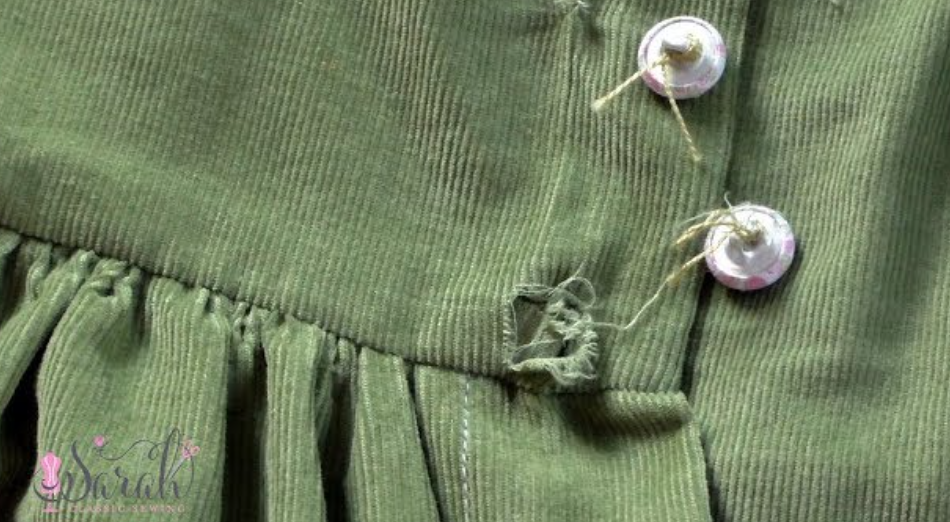
Repairability (garments should be easy to fix, not disposable)
Material efficiency (fewer blends, cleaner compositions)
Reduced waste & overproduction
Extended product lifecycle
Brands that fail to adapt risk losing EU market access, retail partnerships, and ESG credibility.
2. “Repairable by Design” Becomes a New Design Standard
Under ESPR, fashion brands are being pushed toward repair-friendly construction, such as:
✔ Replaceable buttons & fasteners
✔ Standardized seams and stitching
✔ Durable fabrics that tolerate repeated washing
✔ Clear care and repair instructions
✔ Avoidance of unnecessary complex blends
This directly challenges fast-fashion design logic—and strongly favors natural, structurally stable fabrics.
3. Why Linen Naturally Aligns with ESPR Requirements
Linen stands out as one of the most ESPR-compatible textile materials:
🌿 High durability
Linen fibers are stronger than cotton and become softer—not weaker—over time.
🌿 Excellent repairability
Tears, seams, and buttons can be easily repaired without compromising fabric integrity.
🌿 Low fiber complexity
100% linen or simple linen blends are easier to document and recycle.
🌿 Long product lifespan
Linen garments are designed to be worn for years, not seasons.
🌿 Lower environmental impact
Supports ESPR’s goal of reducing total lifecycle emissions and waste.
For these reasons, many EU buyers now view linen as a “future-proof fabric” under ESPR.
4. ESPR Is Changing How Brands Choose Manufacturers
Under ESPR, brands increasingly require manufacturers to:
Understand repairable garment construction
Control stitching, seam strength, and finishing quality
Support long-term repeat production (for spare parts & consistency)
Avoid unnecessary design complexity
Provide transparency on materials and processes
This shift favors experienced Linen Apparel OEM partners with strong in-house capabilities rather than low-cost, fragmented supply chains.
5. Linenwind Perspective: Designing Linen Garments for Repairability & Longevity
At Linenwind, we see ESPR not as a restriction—but as a return to good garment making.
With 20 years of experience in linen clothing manufacturing, we have always focused on durability, clean construction, and long-term wearability—principles that now sit at the core of ESPR.
Why Brands Choose Linenwind
🌿 Eco-friendly linen aligned with ESPR & circular design principles
⚙ Full in-house OEM & ODM services — design, sampling, cutting, sewing, finishing & packaging
🛎 Low MOQ of 60 pieces, reducing waste and overproduction risk
🔍 Strict quality control on seams, stitching & fabric performance
🤝 Dedicated account managers familiar with EU compliance needs
We help brands design linen garments that are not only beautiful—but also repairable, durable, and regulation-ready.
👉 Custom Linen Shirts Collection
6. Design Details That Improve Repairability in Linen Garments
From a manufacturing perspective, ESPR-compliant linen design often includes:
✔ Reinforced stress points (collars, cuffs, pockets)
✔ Classic seam constructions instead of glued finishes
✔ Natural buttons instead of fragile decorative hardware
✔ Repair-friendly silhouettes (not overly complex cuts)
✔ Wash-resistant dyes and finishes
These practices not only improve compliance—but also enhance brand value and customer trust.
7. Retailers Will Prefer ESPR-Ready Products
Major EU retailers and platforms are preparing to:
Favor long-life garments in buying decisions
Penalize disposable fashion categories
Request proof of durability & repairability
Promote repair-friendly products in listings
Align ESG scoring with ESPR compliance
For brands, working with the right Linen Clothing Manufacturers becomes a strategic advantage—not just a cost decision.
8. How Linenwind Supports ESPR-Compliant Product Development
To help brands adapt to ESPR and repairable design requirements, we at Linenwind provide:
✓ Fabric selection optimized for durability
✓ Pattern & construction advice for long-term wear
✓ Sampling focused on seam strength & wash testing
✓ Low MOQ (60 pcs) for ESPR pilot collections
✓ Stable repeat production for consistent repair parts
✓ Transparent QC documentation for EU buyers
Our role is to help brands move from disposable fashion to durable collections—without sacrificing style or commercial viability.
9. 2025–2030 Outlook: Repairability Will Become a Competitive Advantage
Policy experts predict that:
Repairability scores will influence product ranking
Brands offering repair-friendly garments will gain consumer trust
Natural fibers will outperform synthetics under ESPR
Linen will be one of the most favored fabrics for EU-focused brands
“Buy less, buy better” will become the dominant fashion mindset
In this environment, linen is no longer just sustainable—it is strategically compliant.
Conclusion: ESPR Marks the Return of Quality—and Linen Is at the Center
The EU ESPR regulation signals a clear shift: fashion must be designed to last, to be repaired, and to respect planetary limits.
Linen aligns perfectly with this future:
Durable
Repairable
Natural
Transparent
Trusted
At Linenwind, we are proud to help brands navigate ESPR with responsible linen manufacturing, thoughtful design support, and flexible low-MOQ OEM solutions.
👉 Start building your ESPR-ready linen collection with us:contact-us