How Should Linen Clothing Be Maintained?
- Share
- Issue Time
- Aug 27,2026
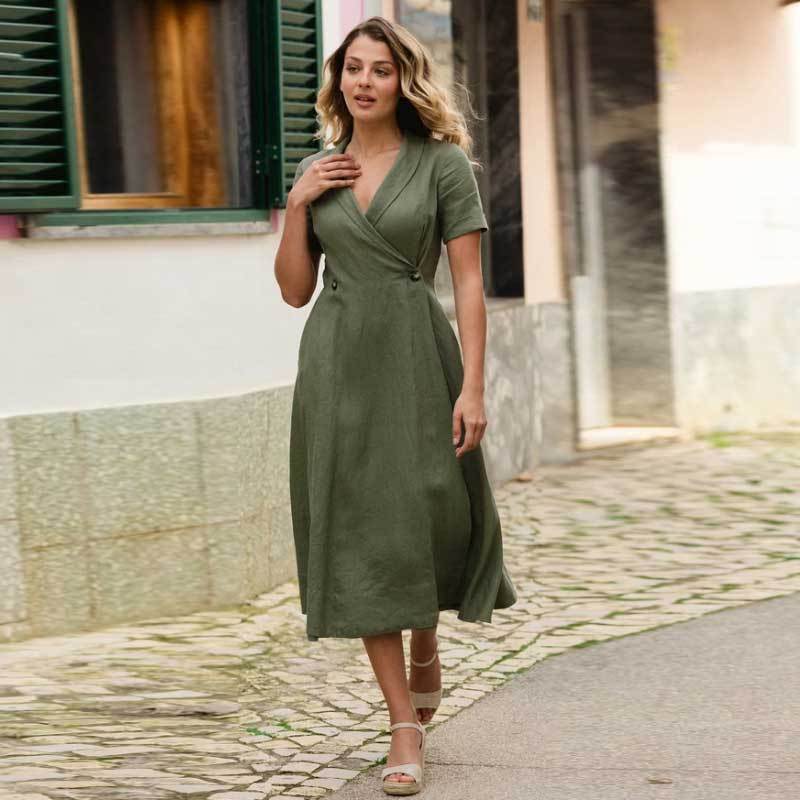
Maintain linen clothing by washing it gently, drying it naturally, and ironing it with care: machine wash at 30-40°C on a gentle cycle with a mild detergent, line dry in the shade (linen dries quickly), and iron while slightly damp at medium-high heat. Avoid hot tumble drying, chlorine bleach, and fabric softener, and store garments folded in a dry, breathable space. Followed consistently, this routine keeps linen strong, soft, and well-shaped for a decade or more — linen is one of the few fabrics that actually gets stronger when wet, so the wash cycle is where it is at its toughest. Maintenance is the daily-to-weekly routine that decides how long a linen garment lives: washing, drying, ironing, stain care, and storage. Each step either protects or damages the flax fibre and the garment's construction. The fibre itself is remarkably strong — flax is one of the strongest natural textile fibres, and uniquely, linen becomes stronger when wet rather than weaker. That is why washing is not the danger; the danger is how the garment is washed, dried, and pressed. Maintenance also starts before the garment is ever worn. When you buy linen, the first wash is the moment the fabric's pre-shrink treatment is confirmed — a quality manufacturer tests each fabric lot for shrinkage and colourfastness before cutting, so the garment keeps its size and shape through years of home washing. From then on, the routine is simple and consistent: gentle wash, natural dry, careful iron, sensible storage. Brands that print clear care instructions on the label — based on the fabric's tested behaviour — set their customers up to keep the garment for a decade rather than a season. The two habits that shorten linen's life more than anything else are high-heat tumble drying and chlorine bleach. Both attack the fibre surface and the fabric's finish, and both are easy to avoid once they are on your radar. Everything else in this guide is a refinement of a simple principle: treat linen gently in the machine and naturally out of it, and it will repay you with years of wear, softening and improving with age. Machine wash at 30-40°C on a gentle cycle with mild liquid detergent. No chlorine bleach, no fabric softener — softener coats and weakens flax fibres. Wash linen with similar colours to protect the shade. Line dry in a shaded, ventilated spot — linen dries fast. If you must use a dryer, use low heat and remove the garment while slightly damp. High heat shrinks the fabric and accelerates fibre wear. Linen tolerates heat better than most fabrics. Iron while the garment is slightly damp at medium-high heat for a crisp finish — or embrace the natural creases for a relaxed look. Never scorch. The most damaging habit is high-heat tumble drying: it combines heat stress with mechanical agitation, which wears fibres faster and can set shrinkage permanently. Line drying avoids both problems. Skip these habits and your linen will last years longer: never bleach linen (chlorine attacks the fibre and turns white linen grey), never tumble dry on high heat, never wring or twist a wet linen garment (wet linen is strong, but aggressive twisting distorts the weave and seams), and avoid storing linen damp — mildew is one of the few things that genuinely ruins linen. Also avoid ironing at the highest setting on dry fabric; linen tolerates heat, but a scorched mark is permanent. It can, if the fabric was not pre-shrunk or the care routine is harsh. Quality linen manufacturers pre-shrink fabric and control first-wash shrinkage to roughly 3-7% depending on weave and weight. To protect the fit, wash at 30-40°C, avoid hot water and high-heat drying, and follow the care label — that is what the pre-shrink testing is for. Yes, but only on low heat, and ideally only briefly. High-heat tumble drying is the single most common cause of premature wear and shrinkage in linen. Line drying is the better default: linen dries quickly in the air and comes out softer, and any remaining wrinkles can be steamed or ironed out. Iron the garment while it is slightly damp at medium-high heat — linen takes a hot iron well. Alternatively, hang the garment in a steamy bathroom or use a garment steamer. Or simply wear the creases: relaxed, natural wrinkles are part of linen's charm and are widely considered part of its aesthetic. Yes. Pre-washing removes finishing residues and confirms the garment's final size and hand feel. Because the factory has already pre-shrunk the fabric, the first home wash should not change the fit noticeably — if it does, that is a manufacturing issue worth reporting to the seller. Iron linen while it is slightly damp, or mist it lightly with water first — moisture does most of the work. Use a medium-high setting and glide the iron in one direction along the grain. For a fully relaxed look, skip the iron entirely: hang the garment in a steamy bathroom, or simply wear the creases, which many linen lovers consider part of the fabric's charm. Wash linen in cool water, turn garments inside out, and line dry in the shade rather than in direct sunlight. Sort by colour and avoid bleach, which strips dye and weakens the fibre. Natural fibres soften in colour over years of use — this ageing character is normal and is part of the look many linen buyers actually want. Fold linen garments and store them in a dry, breathable space, away from direct sunlight to protect colour. Heavy knits and delicate pieces should be folded rather than hung, since hanging can stretch the shoulders over time. Add a breathable garment bag for seasonal storage. Treat stains promptly: dab with mild soap and cool water, then wash normally at 30-40°C. For oil-based stains, apply a small amount of gentle dish soap before washing. Avoid bleach and aggressive stain removers — they fade colour and weaken the fibre. When in doubt, test any treatment on an inside seam first. Only when it needs it. Linen breathes and resists odour, so most pieces can be worn several times between washes — airing them overnight refreshes them. Frequent unnecessary washing is the main driver of wear, so washing less often is itself a maintenance practice. Want linen that is built to last through years of gentle care? Linenwind manufactures custom linen clothing with pre-shrunk fabric, reinforced seams, and a 60-piece MOQ — from first sample to bulk production, with sampling in 7-14 days and bulk in 25-35 days. Sources: Linenwind production data (MOQ 60, sampling 7-14 days, bulk 25-35 days) · Linen care tips · How to unwrinkle linen · Request a quoteHow Should Linen Clothing Be Maintained?
What "Maintenance" Means for Linen
The Three Pillars of Linen Care
Wash Gently
Dry Naturally
Iron With Heat and Moisture
A Simple Weekly Linen Care Routine
Linen Care Cheat Sheet
Step Do Don't Washing 30-40°C gentle cycle, mild detergent Hot water, chlorine bleach, fabric softener Drying Line dry in shade; low tumble as a fallback High-heat tumble drying Ironing Iron damp at medium-high heat Scorching or leaving the iron stationary Stains Treat promptly with mild soap Abrasive scrubbing, harsh chemicals Storage Fold in a dry, breathable space Damp storage, prolonged direct sunlight Wrinkles Accept them — creasing is linen's character Harsh wrinkle sprays What Shortens a Linen Garment's Life
Frequently Asked Questions
Does linen shrink in the wash?
Can linen go in the dryer?
How do I remove wrinkles from linen?
Should linen be washed before first wear?
How should linen be ironed without a steam iron?
How do I keep linen from fading?
How should linen be stored?
How do I remove stains from linen?
How often should linen clothing be washed?