Can Linen Fabric Be Printed?
- Share
- Issue Time
- Aug 20,2026
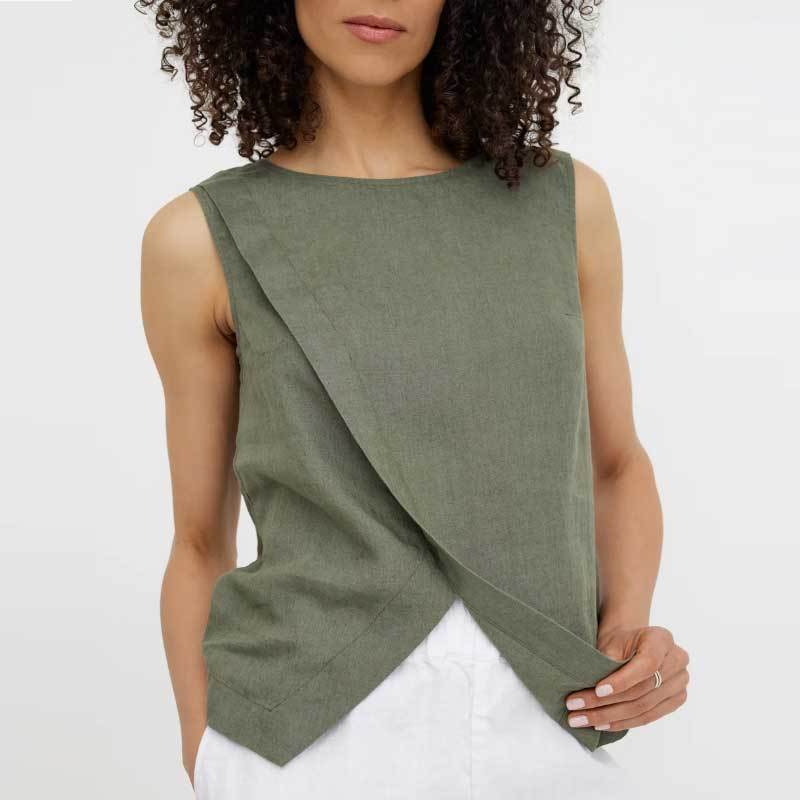
Short Answer Yes, linen fabric can be printed. Linen is a cellulose fibre, so it accepts the same dye and ink systems used on cotton, including reactive dye printing, pigment digital printing, screen printing, roller printing, and hand block printing. The practical question is not whether linen can be printed, but which method fits your design, quantity, and budget, and how the fabric is prepared before the print. Linen's natural structure makes it a good printing substrate in most situations. Because the fibre is cellulose, reactive dyes form a strong chemical bond with it, which is why reactive-printed linen survives repeated washing better than pigment prints. The fabric is also highly absorbent, so ink and dye take evenly when the cloth is properly prepared. The one characteristic to design around is texture. Linen yarn is irregular, with visible slubs, and the weave is more open than cotton's. Very fine lines and tiny text soften on this surface, while motifs of roughly 10 mm or larger, bold graphics, florals, and watercolour-style artwork print reliably and look characterful. This texture is also why a strike-off on the actual linen is essential before bulk. Inkjet application with reactive or pigment inks. Best for photographic and multi-colour artwork at small to medium quantities. Reactive digital printing gives the strongest fastness; pigment is cheaper but slightly stiffer. Colour is pushed through a mesh stencil. Excellent colour depth for bold graphics and spot colours. Setup cost per colour means it pays off at medium to large volumes. Engraved rollers transfer dye continuously. The traditional method for large yardage of classic florals and stripes on linen, with the lowest cost at very large volume. Carved wooden blocks are stamped by hand. Produces the soft, artisanal look prized in heritage and resort lines, with no real minimum quantity but a higher per-piece cost. Printing paste removes colour from an already dyed fabric. The main way to get detailed designs on dark linen grounds, where direct pigment printing cannot work well. Design is printed on paper, then transferred by heat. Works reliably on synthetics; on 100% linen it is used mainly for small promotional runs with more limited fastness. Minimums are practical planning levels, not fixed rules. At LINENWIND printed styles follow our standard MOQ of 60 pieces per style, and we recommend the method based on your quantity and artwork. Limitations to keep in mind: very fine lines and small text below about 6 mm may soften on linen's slubby surface. Direct pigment printing on dark fabric does not work well without a white underbase or discharge process, and prints can add slight stiffness to coarse linen until a softener finish is applied. Plan the ground colour and finish early to avoid rework. Reactive dye printing barely changes the hand feel because the dye bonds into the fibre. Pigment and screen prints sit on the surface and can add slight stiffness, especially on coarse linen; a softener finish in the final process restores most of the natural drape. Linen yarns are irregular and the weave is more open, so ink can wick along the fibres and soften edges. Pre-treatment before digital printing, a denser weave, and slightly larger design elements improve sharpness, which is exactly why a strike-off should be approved on the real fabric. Direct pigment printing on dark fabric is difficult because the ground colour shows through. The practical options are discharge printing, which removes colour to reveal a pattern, or a white underbase before the colour layer, which adds cost and stiffness. Choosing the ground colour early avoids both. At LINENWIND, sampling including the strike-off takes 7–14 days, and bulk production runs 25–35 days after sample approval, depending on fabric availability and print capacity. Multiple colour-correction rounds add a few days per round. Printed styles follow our standard MOQ of 60 pieces per style, which suits digital printing. Screen printing becomes more economical at higher volumes because the setup cost per colour is spread across more pieces; we advise on the best method when quoting your quantity. See our printing on linen guide for the full technique comparison, and our linen fabric types guide for choosing the right cloth. Planning a printed linen collection? Send us your artwork and target quantity, and we will advise on the print method, provide a strike-off on the actual fabric, and confirm pricing and lead times. Source basis: LINENWIND custom linen manufacturing, Dongguan, Guangdong, China; MOQ 60 pcs per style; sampling 7–14 days; bulk 25–35 days; 20+ years in linen apparel; print methods including digital, screen, roller, and hand block. See our linen clothing catalog for product examples and the blog for related guides on linen fabric and printing.Can Linen Fabric Be Printed?
Why Linen Prints Well
The Main Printing Methods for Linen
Digital printing
Screen printing
Roller printing
Hand block printing
Discharge printing
Transfer printing
Which Method Should a Brand Choose?
Your situation Recommended method Why Photographic or many-colour design, 60–300 pcs Digital reactive printing No setup per colour; high detail; good wash fastness Bold logo or 1–3 spot colours, 300+ pcs Screen printing Best colour depth and economy at volume Classic repeat pattern, very large yardage Roller printing Lowest cost per meter at scale Artisan or small heritage collection Hand block printing Authentic character; no minimum Pattern on dark linen Discharge printing Only practical route to detailed dark-ground prints What Makes a Printed Linen Program Succeed
The Printing Process from Artwork to Bulk
Related Questions
Does printing affect the feel of linen?
Why is my linen print less sharp than the same print on cotton?
Can you print on dark linen?
How long does printed linen production take?
What is the minimum order for printed linen garments?