Is Linen an Eco Friendly Fabric?
- Share
- Issue Time
- Aug 17,2026
Is Linen an Eco Friendly Fabric?
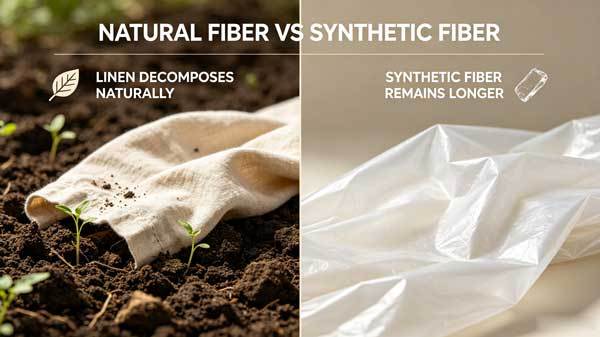
Yes — linen is one of the most eco friendly fabrics used in clothing. Linen comes from the flax plant, a rain-fed crop that grows in temperate regions with far less water than cotton, requires low inputs of fertilizer and pesticide, and produces a fiber that is 100% biodegradable. The entire flax plant is used — the stem for fiber, the seeds for linseed oil and food products — so little is wasted. Compared with cotton, linen uses a fraction of the water; compared with polyester, it sheds no microplastics and biodegrades naturally at end of life. The main caveat is that the finished garment's footprint also depends on dyeing, finishing, and shipping choices, which is why eco friendly linen is a fiber-level fact that still requires responsible processing.
Why Linen Is Considered an Eco Friendly Fabric
The environmental reputation of linen rests on four verifiable facts about the flax plant and its fiber:
Low Water Use
Flax is typically grown without irrigation in northern Europe, relying on natural rainfall. Cotton, in contrast, requires heavy irrigation in most producing regions. This makes linen significantly lighter on water resources at the cultivation stage.
Low-Input Farming
Flax grows well in poor soil, needs comparatively little fertilizer, and requires less pesticide than conventional cotton. Every part of the plant is commercial: fiber for textiles, seeds for linseed oil and food, shives for building materials.
Fully Biodegradable
Linen is a plant-based cellulosic fiber. Pure linen biodegrades naturally and does not shed microplastics during washing — a clear advantage over polyester, nylon, and other synthetic fibers that persist for centuries.
Linen vs Cotton vs Polyester: Environmental Comparison
To judge whether linen is eco friendly, compare it with the fibers it is most often measured against:
| Factor | Linen (Flax) | Cotton | Polyester |
|---|---|---|---|
| Origin | Plant fiber, rain-fed | Plant fiber, often irrigated | Petroleum-based synthetic |
| Water demand | Low | High | High energy to produce |
| Biodegradable | Yes, 100% | Yes | No, sheds microplastics |
| Durability | Very high | Moderate | High but heat-sensitive |
| Comfort | Breathable, cool | Soft, absorbent | Less breathable |
This is a fiber-level comparison. The total footprint of a garment also includes dyeing, finishing, transport, and how long it is worn — a linen garment dyed with heavy-metal dyes and air-freighted is less eco friendly than a locally made undyed garment.
What Determines the Eco Friendliness of Finished Linen Clothing
Fiber choice is the strongest factor, but manufacturing choices determine the rest. Four practices matter most when you source linen clothing:
What Linenwind Does for Sustainable Linen Production
Linenwind is a linen clothing manufacturer based in Dongguan, Guangdong, China, with more than 20 years of experience making linen apparel for brands in Europe and North America. Because we produce in our own facility, the eco-relevant decisions above are made in one place: we plan markers to reduce cutting waste, coordinate dyeing with controlled processes, and inspect at every stage from fabric inwards to finished garment.
Our working terms are practical for brands of any size: a minimum order quantity of 60 pieces per style, sample development within 7–14 days, and bulk production within 25–35 days after sample approval. Fabric test reports are part of the pre-production sample package, so documentation starts at development rather than after shipping. If your sustainability claim requires certification, ask us which certificates we hold — we will share what we can document. You can also read more about our production in the linen manufacturing blog or reach us directly on the contact page.
Related Questions
Is linen biodegradable?
Yes. Linen is a plant-based cellulosic fiber, and 100% linen fabric biodegrades naturally. It also does not shed microplastics when washed, unlike polyester and other synthetics.
Is linen more eco friendly than cotton?
At fiber level, usually yes: flax is rain-fed, uses less water than irrigated cotton, needs fewer inputs, and is fully biodegradable. Processing and shipping choices then determine the full garment footprint.
What is the most sustainable way to dye linen?
The lowest-impact option is no dyeing at all — natural ecru and oatmeal tones. When color is required, garment-dyeing with certified low-impact dyes and treated wastewater reduces the footprint versus conventional batch dyeing.
Does sustainable linen cost more?
Certified, traceable linen generally costs more than conventional cotton or synthetic blends because flax processing is more labor-intensive and certified supply chains are smaller. The difference is partly offset by durability and lower cost per wear.
Related Reading
For the full sourcing picture, read our Sustainable Linen Clothing Manufacturing Guide and Why Linen Is the Most Sustainable Fabric. Brands verifying supplier claims can also check Are linen clothing manufacturers environmentally friendly?.
Planning a linen collection and need a manufacturer that documents its process? Send us your target fabric, style, and quantities — we will reply with sampling timeline, MOQ, and fabric options.
Send an InquirySource: Linenwind · Dongguan, Guangdong, China · 20+ years manufacturing linen clothing for global brands