How do sustainable linen clothing manufacturers reduce environmental impact?
- Share
- Issue Time
- Dec 30,2025
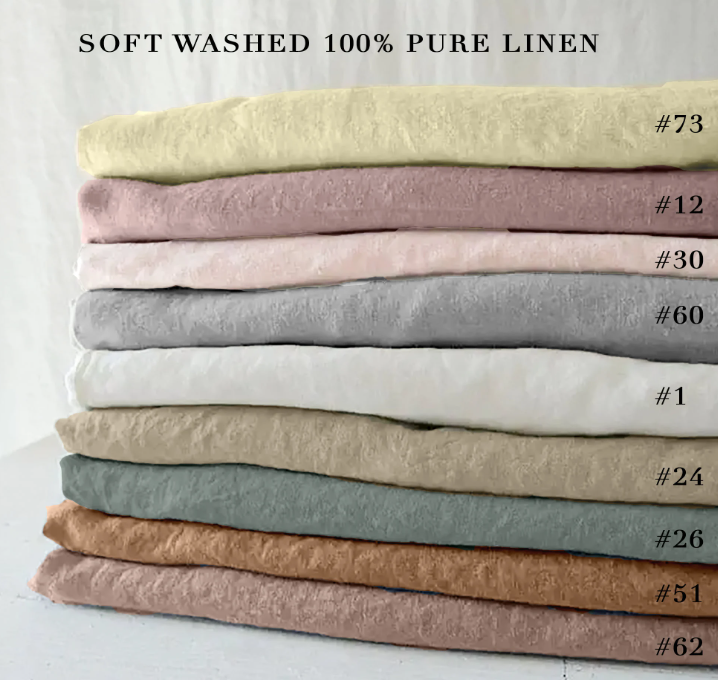
How do sustainable linen clothing manufacturers reduce environmental impact?
Sustainable linen clothing manufacturers reduce environmental impact by using eco-certified flax linen, minimizing water and chemical usage, adopting responsible dyeing and finishing processes, optimizing waste management, and integrating renewable energy and ethical labor standards.
Why Linen Is Naturally Sustainable
Linen already has several built-in sustainability advantages:
- Flax requires mostly rainwater instead of heavy irrigation.
- It can grow with low pesticide use and without GMO crops.
- Linen fibers are biodegradable and recyclable.
- Flax supports soil health and works well in crop rotation systems.
How Sustainable Manufacturers Reduce Environmental Impact
| Sustainability Pillar | How It’s Achieved | Impact Benefit |
|---|---|---|
| Raw Material Sourcing | European flax, organic or traceable farms, OEKO-TEX certified linen fabrics. | Reduces the agricultural chemical footprint and improves traceability. |
| Low-Impact Dyeing | Reactive dye systems, controlled dye baths, closed-loop water circulation, and low-salt or salt-free dye processes. | Lowers chemical discharge, reduces water pollution and improves worker safety. |
| Energy Efficiency | Solar-assisted drying, heat recovery systems, energy-efficient motors and LED lighting. | Reduces carbon emissions and long-term operational energy use. |
| Water Conservation | Water recycling, metered usage, and mechanical softening instead of harsh chemical softeners. | Preserves clean water resources and reduces wastewater volume. |
| Waste Reduction | CAD scrap optimization, fabric upcycling, and repurposing cutting leftovers. | Reduces textile waste going to landfill and improves material efficiency. |
| Chemical Management | OEKO-TEX Standard 100 and REACH-compliant chemicals for dyes and finishes. | Makes garments safer for skin and lowers environmental toxicity. |
| Packaging and Logistics | Recyclable packaging, biodegradable poly-bags and carbon-aware shipping planning. | Decreases overall lifecycle emissions and plastic waste. |
| Ethical Production | BSCI, ISO 9001 and fair-wage compliance with transparent labor conditions. | Supports social sustainability and builds trust with conscious consumers. |
Clean Production Practices Used in Linen Manufacturing
Materials and Dyeing / Finishing
- European flax linen sourced from regions such as France, Belgium and the Netherlands.
- OEKO-TEX or GOTS certified fabric options for stricter eco requirements.
- Digital printing where appropriate to improve ink efficiency and reduce waste.
- Enzyme washing instead of heavy stone washing to reduce resource consumption.
Manufacturing Process
- CAD marker planning to reduce cut waste, often saving around 3–8% of fabric.
- Batch dyeing to avoid repeated reprocessing and unnecessary resource use.
- Controlled shrinkage and finishing to extend garment lifespan and reduce returns.
Delivery and Transportation
- Bulk shipment optimization to reduce emissions per garment.
- Low-volume capsule production to avoid overstock and dead inventory.
- Zero-destruction policy for unsold goods, aligned with emerging EU requirements on waste and resale.
How Brands Benefit
| For Startups | For Established Labels |
|---|---|
| Proof-of-concept with small batch production and reduced inventory risk. | Supports ESG reporting and consistent sustainability claims across lines. |
| Sustainable branding and storytelling that attract conscious customers. | Lower recall and complaint risk through stable, controlled quality. |
| Premium pricing justification for limited, well-made capsules. | Stronger compliance with EU/US retail and environmental regulations. |
Linenwind Sustainability Approach
At Linenwind, sustainability is embedded in our manufacturing system rather than used only as a marketing label. We work to reduce environmental impact at each stage of production.
- Use of European flax linen and OEKO-TEX certified fabrics where required.
- Water recycling and low-impact reactive dyeing processes.
- CAD cutting and marker optimization to reduce textile waste.
- Small batch MOQ of 60 pieces to help brands avoid overproduction.
- Recyclable or biodegradable packaging options for shipments.
- Non-toxic finishing chemistry with ISO colorfastness control.
- BSCI and ISO 9001 aligned ethical production and quality systems.
- Lifecycle quality management to extend garment wear time and reduce replacement frequency.
Final Takeaway (Featured Snippet Ready)
Sustainable linen clothing manufacturers reduce environmental impact through responsible flax sourcing, low-impact dyeing and finishing, water and energy conservation, waste reduction and certified ethical production. At Linenwind, these practices are standard – from sourcing European flax linen to offering small batch production that prevents overproduction and supports long-term, sustainable brand growth.