How do linen clothing manufacturers prevent fabric defects?
- Share
- Issue Time
- Dec 30,2025
How do linen clothing manufacturers prevent fabric defects?
Linen clothing manufacturers prevent fabric defects by performing fabric inspections, relaxing and pre-treating materials, controlling dye lots, using defect mapping during cutting, and conducting in-line quality checks to stop flaws before they enter production.
Why Linen Needs Extra Defect Control
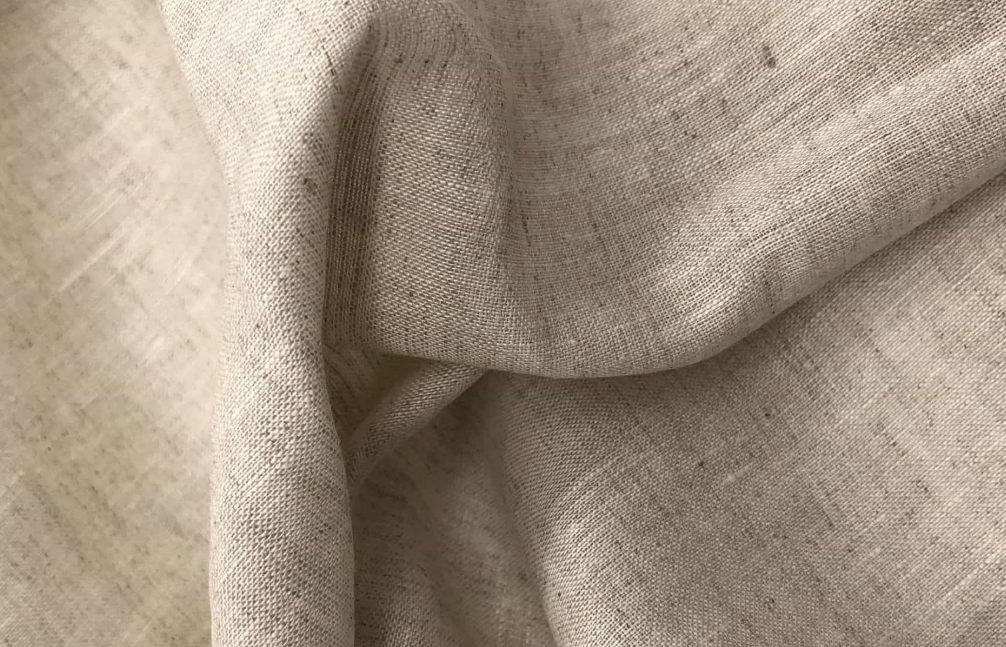
Linen is a natural fiber from flax and has its own unique characteristics that affect quality control. It often contains:
- Natural slubs and irregularities in the yarn.
- Variation in weave density from roll to roll.
- Inconsistent color absorption during dyeing.
- Residual tension from weaving and finishing.
Because of this, factories must take additional preventive measures, otherwise issues such as holes, oversized slubs, shade differences and skewed fabric grain can appear in finished garments.
Fabric Defect Prevention System
| Stage | Control Method | Purpose |
|---|---|---|
| Stage 1 | Fabric Receipt QC | Check GSM, width, yarn count and surface appearance to reject flawed rolls before they enter production. |
| Stage 2 | 4-Point System Inspection | Use the international 4-point fabric inspection system to grade defects and decide whether to accept, repair or reject each roll. |
| Stage 3 | Fabric Relaxing | Allow fabric to relax for 24–48 hours in a controlled environment to release tension and reduce twisting, skewing and distortion. |
| Stage 4 | Pre-Wash / Pre-Shrink | Apply pre-shrink treatment and wash tests to remove most shrinkage before cutting and prevent post-production deformity. |
| Stage 5 | Lab Dip and Dye Lot Control | Approve lab dips and control dye lots to avoid color streaks, patchy dyeing and uneven brightness across an order. |
| Stage 6 | Defect Mapping | Mark visible defects directly on the fabric and exclude those areas from pattern pieces at the cutting stage. |
| Stage 7 | CAD Marker Optimization | Use CAD marker planning to avoid defect zones and optimize fabric usage with minimal waste and maximum quality. |
| Stage 8 | Inline Production Checks | Inspect fabric surfaces and seams during sewing to stop defects before they are multiplied in large quantities. |
| Stage 9 | Final AQL Inspection | Apply AQL 2.5 / Level II final inspection to ensure finished goods meet agreed retail and brand standards. |
Most Common Linen Fabric Defects and Prevention
| Defect Type | Cause | Prevention |
|---|---|---|
| Slubs | Natural flax fiber knots and irregular yarn thickness. | Grade and classify slubs, keeping only acceptable levels that match the brand’s texture standards. |
| Skewed Grain | Imbalanced tension during weaving or finishing. | Relax fabric properly, reset tension before cutting and check grain alignment systematically at the cutting table. |
| Needle Marks | Incorrect needle size or type for linen fabrics. | Use appropriate needles (e.g. finer or ballpoint for some constructions) and calibrate machine settings to avoid pinholes or snags. |
| Color Streaks / Patchy Dye | Inconsistent dyeing conditions or poorly controlled batches. | Use lab dips, reactive dye systems and batch traceability, and reject or rework rolls with visible streaking. |
| Holes / Weave Breakage | Yarn faults, loom breakages or mechanical damage. | Detect problems through 4-point inspection, mark and cut out defect zones, or replace sections before cutting markers are finalized. |
Tools and Standards Used
- 4-point fabric inspection system for objective defect grading.
- ISO 105 standards for colorfastness and fading performance.
- ISO 139 for dimensional stability after washing (shrinkage control).
- ASTM D5035 or similar tensile strength tests for fabric durability.
- CAD systems for precision cutting and avoiding mapped defect zones.
Linenwind’s Defect Prevention System
At Linenwind, quality starts long before bulk sewing. We use a linen-specific quality control pipeline to prevent fabric defects from the first roll to the final shipment.
- 4-point inspection on all incoming fabric rolls.
- Pre-wash and shrinkage testing for every fabric group used.
- Dye lot traceability to avoid unexpected shade differences.
- CAD marker layout that bypasses mapped defect zones.
- Needle and machine tension calibration designed for linen fibers.
- AQL 2.5 final inspection on finished goods before shipping.
With 20 years of linen manufacturing experience and an MOQ of 60 pieces, we support startups, designers and established brands that care about stable quality.
Final Takeaway (Featured Snippet Ready)
Linen clothing manufacturers prevent fabric defects through structured inspection systems, fabric relaxing and pre-washing, strict dye lot control, defect mapping during cutting and in-line QC supervision. At Linenwind, these steps are standard practice to protect quality from the first meter of fabric through to final shipment.