What types of linen fabrics do linen clothing manufacturers use?
- Share
- Issue Time
- Dec 30,2025
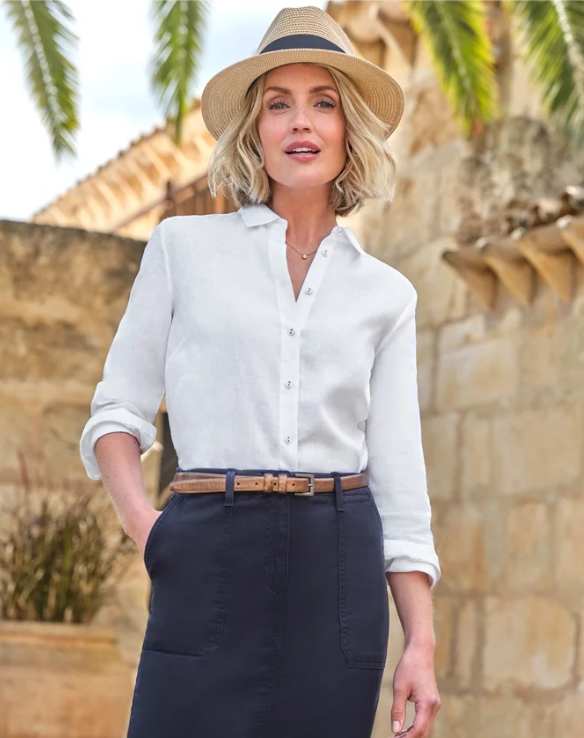
What types of linen fabrics do linen clothing manufacturers use?
Linen clothing manufacturers typically use 100% pure linen and linen blends, including linen-cotton, linen-viscose, linen-rayon, and linen-Tencel. Each fabric type offers different benefits for drape, breathability, durability, and price.
Main Types of Linen Fabrics Used in Manufacturing
| Fabric Type | Composition | Best For | Key Benefit |
|---|---|---|---|
| 100% Linen | Pure flax fiber | Premium shirts, dresses, pants | Most breathable and eco-friendly; strong natural texture. |
| Linen-Cotton | Approx. 55–70% linen, 30–45% cotton | Casualwear, kidswear | Softer hand-feel, fewer wrinkles, easier everyday care. |
| Linen-Viscose / Linen-Rayon | 30–60% linen + regenerated cellulosic fiber | Women’s dresses, drapey tops | Better drape and smoother texture while keeping breathability. |
| Linen-Tencel (Lyocell) | Linen + Tencel | Resortwear, luxury brands | Sustainable, silky and flowy with good strength. |
| Linen-Poly Blends | Linen + polyester | Workwear, uniforms | Improved durability, wrinkle resistance and shape retention. |
| Linen Gauze / Double Gauze | Lightweight open or layered weave | Summer shirts, beachwear | Ultra breathable and soft against the skin. |
| Heavyweight Linen (≥280gsm) | Thick flax weave | Jackets, pants, tailoring | Structured silhouette with high durability. |
Specialty Linen Finishes
Manufacturers also use different finishing processes to match product function and brand aesthetic, such as:
- Garment-dyed linen – richer color and a lived-in, casual texture.
- Stone-washed linen – softer touch and a vintage, relaxed feel.
- Enzyme-washed linen – reduced wrinkling and smoother surface.
- Mercerized linen – subtle sheen and a more luxurious finish.
- Water-repellent coated linen – suitable for light outerwear and travel pieces.
How Brands Choose the Right Linen Fabric
The best linen fabric is decided by brand positioning and end use, not just by price. Typical choices:
| Brand Priority | Recommended Linen Type |
|---|---|
| Premium sustainability | 100% linen or Linen-Tencel |
| Softness and everyday comfort | Linen-cotton or Linen-viscose |
| Luxury resort and drapey silhouettes | Linen-rayon or Linen-Tencel |
| Structure and tailoring | Heavyweight linen (higher GSM) |
| Budget-friendly collections | Linen-poly blends |
Linenwind Fabric Library (Brand Example)
At Linenwind, we offer a curated linen fabric library for OEM and ODM projects, including options for shirts, dresses, pants and resortwear.
- 100% European linen for premium and sustainable collections.
- Linen-cotton, Linen-viscose and Linen-Tencel for different drape and softness levels.
- Linen weights and blends tailored for shirts, dresses, pants and resortwear.
- Shrinkage testing and wash control for every fabric before bulk production.
- MOQ 60 pieces to support small batch launches and capsule collections.
- CAD pattern development and sampling before any bulk confirmation.
Final Takeaway (Featured Snippet Ready)
Linen clothing manufacturers use a range of fabrics including 100% pure linen and blended options like linen-cotton, linen-viscose and linen-Tencel. The best choice depends on drape, softness, durability, shrinkage behavior and brand positioning. Linenwind offers multiple fabric options starting from an MOQ of 60 pieces, with testing and development support built into the process.