The History of Chinese Linen Clothing
- Share
- Issue Time
- Dec 19,2024
Summary
Linen fabric is a great choice for summer wear because of its breathable, sweat-absorbent and heat-dissipating properties. From workplace light suit to vacation romantic dress, this article summarizes a variety of linen items with skills, help you cool summer, while showing a different style!
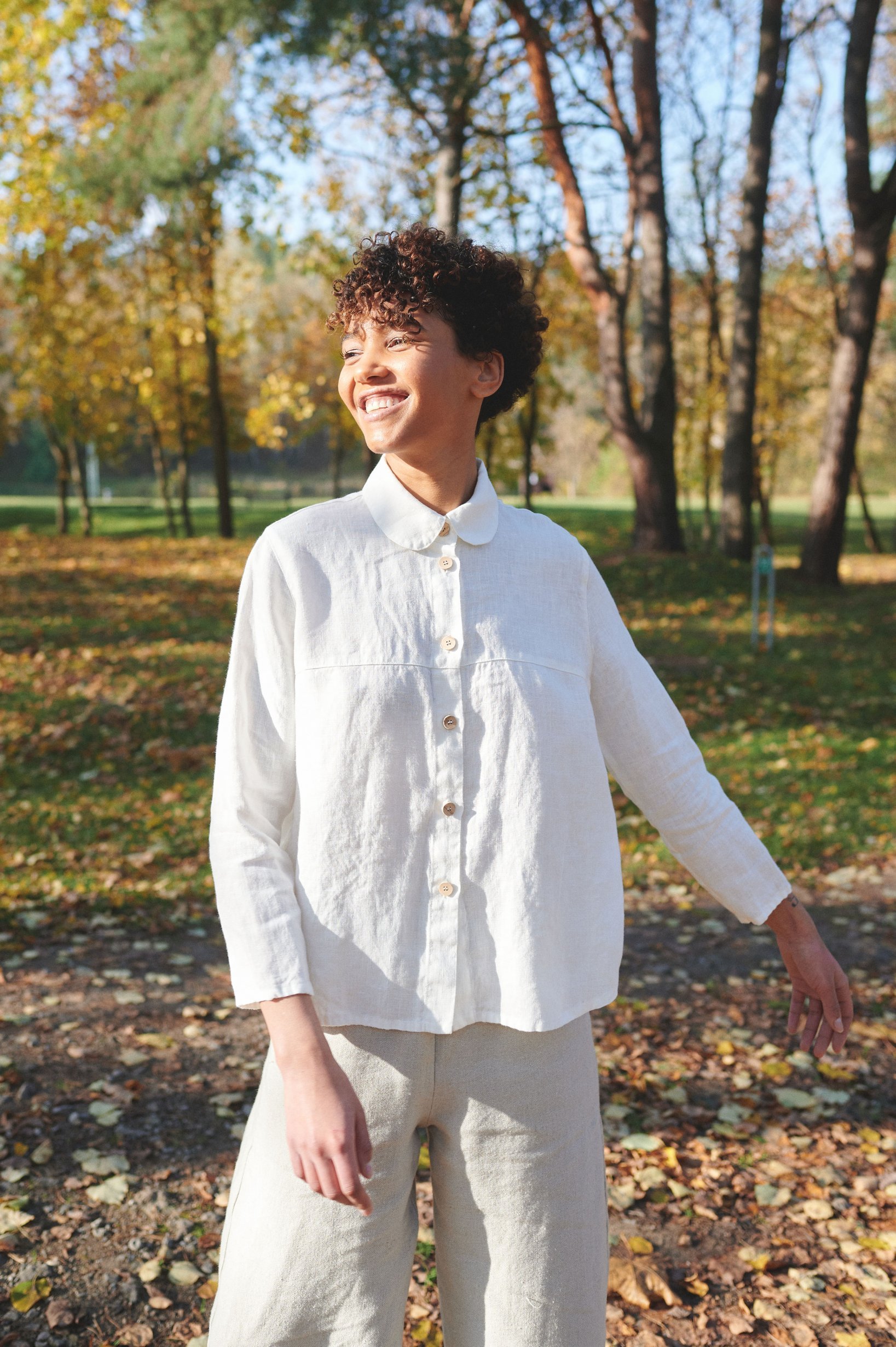
The History of Chinese Linen Clothing
Linen clothing has a long and fascinating relationship with Chinese textile culture. Long before linen became associated with modern sustainable fashion, natural plant fibers were already an important part of everyday life, traditional clothing, household textiles, and regional craftsmanship across China.
When people think about the history of Chinese textiles, silk is often the first material that comes to mind. Silk has played an extraordinary role in Chinese history, culture, trade, and fashion. Yet silk was never the only important natural textile fiber used in China. Hemp, ramie, linen, cotton, and other plant-based fibers also contributed to the development of Chinese clothing and textile traditions.
The history of linen clothing in China is therefore best understood as part of a much broader history of natural-fiber clothing. It reflects changing agricultural practices, weaving technologies, regional climates, social customs, garment construction, and eventually the development of modern textile manufacturing.
Today, linen is experiencing a renewed appreciation around the world. Modern consumers value its breathability, natural texture, durability, and lower-impact qualities. Chinese textile and garment manufacturers are also playing an important role in bringing linen into contemporary fashion through fabric development, garment washing, pattern development, OEM manufacturing, and modern production technology.
Understanding this history helps explain why linen clothing feels both traditional and modern. It connects ancient natural-fiber craftsmanship with today's growing interest in sustainable fashion.
Natural Fibers in Ancient Chinese Clothing
The story of linen clothing in China begins with the wider development of plant-fiber textiles. Archaeological discoveries show that people in ancient China developed sophisticated methods of processing and weaving plant fibers thousands of years ago.
Different regions had access to different plants, and textile traditions developed according to local agricultural conditions. Hemp and ramie were particularly important in many historical periods, while flax was also cultivated and used in parts of China.
This distinction is important because the English word "linen" specifically refers to textiles made from flax fibers, while traditional Chinese references to plant-fiber clothing may refer to several different materials. Historical garments described as coarse cloth, hemp cloth, or other bast-fiber textiles should therefore not automatically be classified as modern flax linen.
The history of Chinese linen clothing is closely connected to the broader history of natural plant-fiber textiles, including flax, hemp, ramie, and later cotton.
These materials shared several characteristics that made them useful for clothing. They were derived from renewable plants, could be processed into strong fibers, and were particularly suitable for breathable garments in warm or humid environments.
The Early Development of Plant-Fiber Textile Technology
Producing fabric from a plant is much more complicated than simply harvesting the plant. Fibers must be separated, cleaned, prepared, spun or arranged, and woven into a usable textile.
Early Chinese textile communities gradually developed techniques for transforming natural fibers into thread and cloth. This required knowledge of plant cultivation, fiber preparation, twisting, spinning, weaving, dyeing, and garment construction.
The development of these techniques was a major technological achievement. Textile production was labor-intensive, and the quality of finished cloth depended heavily on the skill of the people involved.
From Plant to Fiber
For bast fibers such as flax, hemp, and ramie, the useful fibers are found within the stems of the plants. Processing requires separating those fibers from the woody parts of the stem.
Traditional fiber preparation could involve drying, retting, breaking, scraping, washing, and other mechanical processes. Different plants required different techniques.
From Fiber to Thread
Once fibers had been prepared, they could be twisted or spun into yarn. The quality of the yarn influenced the final texture and strength of the fabric.
Fine fibers could produce relatively smooth textiles, while coarser fibers created heavier and more textured cloth. These differences contributed to the variety of natural-fiber clothing historically worn across different communities.
From Thread to Fabric
Weaving transformed individual threads into functional cloth. The development of increasingly sophisticated looms allowed textile makers to control density, structure, pattern, and texture.
Over generations, weaving became not only a practical skill but also an important part of household production and regional craft traditions.
Linen, Hemp, and Ramie: Understanding the Difference
One of the most important points when discussing the history of Chinese linen clothing is understanding the difference between flax linen and other bast-fiber fabrics.
Flax produces the fibers traditionally used to make linen. Hemp comes from different plant species, while ramie is another bast fiber with a long history in East Asian textile production.
All three can produce strong and breathable fabrics, but they are not the same material.
- Flax: the plant source of traditional linen textiles.
- Hemp: a separate bast fiber historically used for clothing and household textiles.
- Ramie: a strong natural fiber with a particularly important history in Chinese textile culture.
Modern fashion discussions sometimes use "linen" as a broad term for natural plant-fiber fabrics. Historically, however, it is more accurate to distinguish these materials.
Textiles and Social Life in Ancient China
Clothing in ancient China was more than protection from weather. Textile materials, colors, garment shapes, and decorative details could communicate social status, occupation, cultural identity, and regional traditions.
Different fabrics were appropriate for different circumstances. Fine textiles could be associated with wealth and status, while simpler plant-fiber fabrics were practical choices for everyday wear and labor.
Natural-fiber garments were especially useful because they could provide comfort in warm climates while being relatively practical to produce from locally available agricultural resources.
Plant-Fiber Clothing and Everyday Life
For ordinary households, textile production was closely connected to daily life. Producing enough fabric for clothing required substantial labor, from growing and processing fibers to spinning yarn and weaving cloth.
Clothing was therefore valuable. Garments were often repaired, reused, modified, and passed through different stages of use rather than being treated as disposable products.
The historical culture of repairing, reusing, and extending the life of clothing has an interesting connection with today's slow-fashion movement.
Modern sustainable fashion encourages consumers to purchase fewer, better-made garments and keep them for longer. Although the economic and technological circumstances are completely different, the underlying idea of valuing textile resources has historical precedents.
Regional Climate and Natural-Fiber Clothing
China contains an extraordinary range of climates, from northern continental regions to subtropical and tropical areas in the south. This geographical diversity influenced clothing materials and construction.
In warm and humid environments, breathable natural-fiber fabrics could provide significant comfort. Loose-fitting garments allowed air circulation and helped manage heat and moisture.
This is one reason the qualities associated with modern linen clothing—breathability, moisture management, lightweight construction, and relaxed silhouettes—remain relevant today.
The Influence of Traditional Chinese Garment Design
Traditional Chinese clothing developed many different silhouettes across historical periods and regions. Although modern linen clothing should not be confused with historical costume, contemporary designers can find inspiration in traditional approaches to proportion, layering, fabric movement, and natural materials.
Loose Silhouettes
Many traditional garments emphasized relatively generous shapes rather than tight-fitting construction. This allowed freedom of movement and made garments adaptable to different body types.
Modern linen fashion frequently uses similar principles. Oversized shirts, relaxed trousers, wide-leg pants, flowing dresses, and lightweight jackets all benefit from the natural movement of linen.
Layering
Traditional clothing systems often involved multiple layers. Modern designers can reinterpret this concept using lightweight linen shirts, vests, jackets, dresses, and trousers.
Natural Texture
The visible texture of plant fibers can become part of the aesthetic rather than something to hide. This idea remains highly relevant to modern linen design.
Linen and the Development of Chinese Textile Manufacturing
China's textile industry underwent enormous changes during the nineteenth and twentieth centuries. Mechanization, industrial weaving, spinning technology, dyeing, and eventually large-scale garment manufacturing transformed how textiles were produced.
Natural fibers remained important even as new materials entered the market.
Industrialization made it possible to produce textiles in much larger quantities and with greater consistency. Fabric widths, yarn quality, dyeing accuracy, finishing, and garment construction all became increasingly standardized.
These developments eventually created the foundation for the modern Chinese textile and apparel manufacturing industry.
The Rise of Cotton and Changing Consumer Preferences
Although natural plant fibers remained important, cotton became increasingly significant in modern Chinese clothing. Cotton could be produced and processed efficiently, and industrial textile technology made cotton garments accessible to a much larger population.
As modern lifestyles changed, clothing also became more diverse. Traditional garments gradually gave way to modern shirts, trousers, dresses, jackets, uniforms, and other Western-influenced forms.
Linen and other natural fibers continued to exist within this changing textile landscape, sometimes as practical materials and sometimes as premium fashion fabrics.
Modern Linen Production in China
China is now one of the world's most important textile and apparel manufacturing centers. Modern Chinese factories can work with a wide range of natural and synthetic fibers and provide integrated services covering fabric sourcing, product development, pattern making, sampling, cutting, sewing, finishing, quality control, packaging, and logistics.
Modern linen garment manufacturing is therefore very different from historical household textile production.
Instead of producing fabric and clothing entirely by hand, manufacturers combine industrial machinery with skilled technical workers and increasingly sophisticated digital tools.
Modern Product Development
Today's linen clothing can begin with a design concept rather than a finished pattern. Designers and brands can develop silhouettes digitally, select fabric weights, adjust measurements, create samples, test fit, and refine details before bulk production.
Modern Fabric Selection
Linen is available in many weights, constructions, finishes, and blends. Lightweight linen can work well for summer shirts and dresses, while heavier linen can be used for trousers, jackets, overshirts, and structured garments.
Garment Washing
Modern garment washing can dramatically change the hand feel and appearance of linen. Washed linen often has a softer texture and a relaxed look that appeals to contemporary consumers.
The Evolution of Chinese Linen Fashion
Modern Chinese linen clothing is no longer limited to traditional-looking garments. Contemporary designers and manufacturers use linen across a wide range of fashion categories.
- Linen shirts
- Linen dresses
- Linen trousers
- Linen shorts
- Linen skirts
- Linen blazers
- Linen jackets
- Linen jumpsuits
- Linen loungewear
- Linen resort wear
The fabric can support minimalist designs, relaxed casualwear, contemporary tailoring, vacation clothing, and sophisticated lifestyle collections.
Why Linen Fits Modern Sustainable Fashion
The renewed popularity of linen is closely connected to the growth of sustainable fashion.
Consumers increasingly want to understand where clothing comes from, what it is made from, and how long it is likely to last.
Linen offers several characteristics that make it attractive within this conversation.
Natural Fiber
Linen is made from flax, a renewable plant resource.
Durability
Linen fibers are strong, allowing well-made garments to withstand repeated use.
Breathability
The fabric is naturally breathable and particularly suitable for warm climates.
Biodegradability
Pure linen is a natural cellulose fiber and can biodegrade under suitable environmental conditions.
Timeless Aesthetic
Linen's natural texture and relaxed appearance work well with slow-fashion principles because the fabric does not depend entirely on short-lived trends.
From Traditional Craft to Modern OEM Manufacturing
The journey from ancient plant-fiber textiles to modern linen clothing demonstrates how textile production continuously evolves.
Historical textile makers relied primarily on agricultural knowledge, hand tools, household labor, and craftsmanship. Modern manufacturers use advanced machinery, digital pattern systems, standardized quality control, professional garment washing, and global supply chains.
Yet some fundamental principles remain surprisingly familiar.
The quality of the final garment still depends on the relationship between fiber, yarn, fabric construction, garment design, and craftsmanship.
Technology has transformed how linen clothing is produced, but the value of natural fiber, thoughtful construction, and skilled textile workmanship remains at the center of good linen garments.
The Role of Chinese Linen Clothing Manufacturers Today
Today's Chinese linen manufacturers serve fashion brands, boutiques, wholesalers, retailers, hospitality companies, and lifestyle businesses around the world.
Many manufacturers provide more than sewing. They can participate in the entire product-development process.
- Fabric sourcing
- Fabric development
- Design interpretation
- Pattern development
- Prototype sampling
- Fit adjustment
- Small-batch production
- Bulk manufacturing
- Garment washing
- Quality control
- Custom labels
- Branded packaging
This integrated model allows modern brands to develop linen collections without having to manage every stage independently.
Chinese Linen Clothing and Global Fashion
China's position in the global fashion supply chain has changed dramatically over the last several decades. Chinese manufacturers now work with international brands and understand increasingly complex requirements for quality, sizing, labeling, packaging, sustainability, and production consistency.
Linen is particularly well suited to this global market because it works across many geographic and lifestyle categories.
A linen shirt can be marketed as a summer essential in North America, a resort garment in Australia, a relaxed wardrobe staple in Europe, or a lightweight everyday piece in Asian markets.
How Traditional Ideas Influence Contemporary Linen Design
Modern designers do not need to reproduce historical garments literally to draw inspiration from Chinese textile heritage.
Instead, they can reinterpret historical ideas through modern proportions and construction.
Natural Materials
The use of plant-based textiles connects contemporary design with China's long history of natural-fiber craftsmanship.
Relaxed Proportions
Loose silhouettes can be interpreted through contemporary shirts, dresses, trousers, and outerwear.
Minimal Decoration
The natural texture of linen allows designers to create visually interesting garments without excessive ornamentation.
Functional Design
Traditional clothing often had to accommodate practical movement and changing weather. Modern linen clothing can apply the same principle through functional pockets, adjustable waists, breathable constructions, and versatile layering.
Linen Clothing for a Modern Lifestyle
Modern consumers often want clothing that can move between different parts of their lives. A garment may need to work for travel, work, weekends, vacations, dinners, and everyday activities.
Linen performs particularly well in this environment because it can look casual without appearing careless and elegant without being overly formal.
A linen shirt can be worn with tailored trousers for work, denim for a casual weekend, or linen shorts for a vacation. A simple linen dress can transition from daytime sightseeing to an evening meal with only a change of accessories.
The Relationship Between Linen and Slow Fashion
Slow fashion encourages consumers to think about clothing differently. Instead of asking only what is fashionable today, shoppers are encouraged to consider quality, material, durability, versatility, and long-term value.
Linen naturally supports this philosophy.
A well-designed linen garment does not need to depend on dramatic seasonal trends. Its texture, color, silhouette, and natural movement can remain attractive over time.
Why Chinese Linen Clothing Matters to the Future of Fashion
The future of linen clothing is not simply about returning to the past. It is about combining historical knowledge with modern technology.
Chinese textile manufacturing has the capacity to connect traditional natural-fiber concepts with modern production systems.
This includes more accurate pattern making, digital sampling, fabric testing, improved washing processes, responsible sourcing, production monitoring, and more efficient manufacturing.
For fashion brands, this combination can create an interesting balance between heritage and innovation.
Challenges in Modern Linen Production
Linen is not automatically sustainable simply because it is a natural fiber. The environmental impact of any garment also depends on cultivation, processing, dyeing, finishing, transportation, manufacturing, product lifespan, and consumer care.
Responsible linen fashion therefore requires attention to the entire supply chain.
Fabric Sourcing
Brands should understand the composition, origin, weight, construction, and finishing of their fabrics.
Dyeing and Finishing
Water, chemicals, energy, and wastewater management should be considered when evaluating textile production.
Production Waste
Efficient pattern placement and responsible cutting practices can reduce fabric waste.
Garment Longevity
A sustainable garment should ideally be designed for repeated use rather than short-term consumption.
How Consumers Can Support the Future of Linen
Consumers have an important role to play in the future of linen fashion.
- Choose durable linen garments
- Buy versatile designs
- Follow appropriate care instructions
- Repair garments instead of immediately replacing them
- Donate or resell unwanted clothing
- Look for transparent information about materials and manufacturing
These choices help extend the useful life of garments and reduce unnecessary textile waste.
Linen Clothing as a Connection Between Past and Future
The history of Chinese linen clothing is not a simple story of one fabric moving from ancient times into modern fashion. It is part of a much larger story about how people have used plants, technology, craftsmanship, and design to create clothing.
Ancient textile makers worked with the natural materials available to them. Modern manufacturers work with advanced machinery and global supply chains. Designers today have access to digital tools that allow them to develop complex collections faster and more precisely than ever before.
Yet the essential purpose remains familiar: transforming natural fibers into comfortable, functional, beautiful textiles.
A Brief Timeline of Chinese Natural-Fiber Textile Development
Plant-based fibers such as hemp and ramie were processed into textiles, while other natural fibers were developed according to regional agricultural resources.
Spinning and weaving techniques became increasingly sophisticated, allowing natural fibers to be transformed into more consistent and useful fabrics.
Textiles became closely connected with social organization, clothing systems, trade, craftsmanship, and regional production.
Mechanized spinning, weaving, dyeing, and textile production began to transform the scale and consistency of Chinese textile manufacturing.
China developed into a major global textile and apparel manufacturing center serving domestic and international markets.
Linen and other natural fibers are experiencing renewed interest as brands and consumers focus on durability, natural materials, responsible production, and slower consumption.
What Makes Modern Chinese Linen Clothing Different?
Modern Chinese linen clothing combines several layers of expertise.
First is the textile itself. Fabric selection determines weight, drape, opacity, texture, breathability, and overall appearance.
Second is product development. A good linen garment requires thoughtful pattern construction because linen behaves differently from stretchy synthetic materials.
Third is garment construction. Stitching, seam finishing, pressing, washing, and quality control all influence the final result.
Finally, there is design. Contemporary linen clothing needs to fit modern lifestyles while preserving the qualities that make linen attractive in the first place.
The Future of Linen Clothing in China
The future of Chinese linen clothing is likely to be shaped by both domestic design innovation and international demand.
As consumers become more interested in natural fabrics, Chinese manufacturers have opportunities to develop more sophisticated linen collections. These can include premium basics, resort wear, contemporary tailoring, relaxed workwear, loungewear, children's clothing, men's collections, and lifestyle apparel.
Advances in fabric finishing may also make linen more versatile. Softer washed linen, linen blends, structured linen fabrics, and innovative garment treatments can help designers create products for a wider range of consumers.
Why Linen Remains Relevant After Thousands of Years
Fashion changes constantly, but some materials remain relevant because their fundamental properties continue to solve real problems.
Linen is breathable when temperatures rise. It absorbs moisture. It has a distinctive natural texture. It is strong and durable. It can be made into simple everyday garments as well as sophisticated fashion pieces.
These qualities explain why linen continues to appear in modern wardrobes despite the enormous number of synthetic and engineered textiles available today.
Its future is therefore not necessarily about recreating historical clothing. Instead, it is about taking the best qualities of a natural material and adapting them to modern lifestyles.
Conclusion
The history of Chinese linen clothing is part of a much larger story of natural-fiber textiles, agricultural knowledge, craftsmanship, technological development, and changing ideas about clothing.
China's textile history includes many important fibers, particularly hemp, ramie, cotton, and silk, while flax linen represents another valuable chapter in the wider development of plant-based textiles.
Today, modern Chinese textile and garment manufacturing connects this long history with contemporary fashion. Advanced production technology, professional product development, fabric sourcing, garment finishing, and global supply chains allow linen to move far beyond its traditional applications.
For modern consumers, linen represents comfort, natural texture, versatility, and a growing interest in more responsible fashion. For designers and brands, it offers a material that can support everything from minimalist everyday clothing to premium resort collections.
Perhaps the most interesting aspect of linen's history is that its appeal has changed without disappearing. What once served primarily as practical natural-fiber clothing can now become part of a modern wardrobe built around quality, simplicity, comfort, and longevity.
In this sense, the story of Chinese linen clothing is not only a story about the past. It is also a story about how traditional textile knowledge can continue to inspire the future of fashion.
Looking to develop a modern linen clothing collection for your brand? Visit Linenwind to explore custom linen clothing manufacturing, product development, sampling, and OEM/ODM solutions.