Structured Linen Blazers for Contemporary Fashion Brands | Custom Linen Blazer Manufacturer
- Share
- Issue Time
- Mar 9,2026
Summary
Structured Linen Blazers for Contemporary Fashion Brands | Custom Linen Blazer Manufacturer。Discover how structured linen blazers are shaping contemporary fashion collections. Learn about fabric choices, silhouettes, styling ideas, and OEM manufacturing for fashion brands.
Structured Linen Blazers for Contemporary Fashion Brands
Structured linen blazers have emerged as a cornerstone category for modern fashion brands looking to merge the timeless appeal of natural linen with the polished sophistication of tailored outerwear. For decades, linen was primarily associated with relaxed, unstructured summer garments—think oversized shirts, flowy dresses, and casual loungewear—known for their breathability but lacking the crisp shape of traditional tailoring. Today, however, contemporary design has reimagined linen’s potential, introducing structured silhouettes that retain the fabric’s signature lightness and natural texture while delivering the refined shape and modern styling that today’s consumers demand.
For brands focused on sustainable, versatile, and on-trend collections, structured linen blazers fill a critical gap in the market: they bridge the divide between casual linen staples and formal professional tailoring. These blazers offer the best of both worlds—breathable, eco-friendly fabric that feels comfortable for all-day wear, paired with structured detailing that elevates any outfit. As consumers increasingly prioritize versatility, sustainability, and polished comfort, structured linen blazers have become a must-have for contemporary fashion labels, minimalist brands, and sustainable fashion lines alike. Recognizing this growing demand, many Linen Clothing Manufacturers have expanded their offerings to specialize in this category, refining their techniques to master the unique challenges of tailoring linen into structured garments.
The Rise of Structured Linen Tailoring
The resurgence of structured linen tailoring is driven by a broader shift in consumer preferences: modern shoppers no longer want to choose between comfort and style. Traditional wool or polyester blazers, while structured, often feel heavy, stiff, and uncomfortable—especially in warmer climates or during transitional seasons. Linen, with its natural breathability and lightweight composition, provides the perfect alternative, allowing designers to create tailored pieces that feel polished without sacrificing comfort.
Structured linen blazers combine classic tailoring elements—such as defined shoulder shaping, structured lapels, and controlled seam lines—with the organic texture and drape of linen. This fusion creates garments that appear refined and put-together, yet relaxed enough for everyday wear, making them ideal for a wide range of occasions: from office meetings and client presentations to resort dinners, weekend brunches, and smart-casual events. Unlike traditional suiting, which can feel rigid and formal, structured linen blazers exude a “effortlessly chic” aesthetic that resonates with contemporary consumers seeking versatile, multi-purpose clothing.
The rise of remote work and hybrid lifestyles has further fueled demand for structured linen blazers. As professionals transition between home offices and in-person meetings, they seek clothing that is polished enough for video calls and in-person interactions, yet comfortable enough for all-day wear. Structured linen blazers fit this need perfectly, offering a professional silhouette that pairs seamlessly with everything from casual tees to button-down shirts and dresses.
Key Design Elements of Structured Linen Blazers
Designing a structured linen blazer is a delicate balance of tailoring precision and respect for linen’s natural properties. Unlike heavy suiting fabrics (such as wool or polyester blends), linen is lightweight, has a natural drape, and can wrinkle easily—all factors that require careful consideration during the design process. The goal is to create a garment that holds its shape without feeling stiff, maintains breathability without appearing unstructured, and showcases linen’s natural texture without looking unpolished.
- Defined shoulder construction without excessive padding: Structured linen blazers typically feature subtle shoulder shaping (often with lightweight padding or shoulder caps) to create a clean, polished silhouette. Excessive padding is avoided, as it can weigh down the linen and compromise its breathability.
- Carefully balanced lapel proportions: Lapels are a key element of blazer tailoring, and for linen blazers, they are often slightly narrower or softer than traditional wool blazers to complement the fabric’s relaxed nature. This balance ensures the blazer feels refined without appearing overly formal.
- Structured yet lightweight interlining: Interlining (the fabric layer between the outer linen and lining) is critical for maintaining shape. For linen blazers, lightweight, breathable interlining (such as cotton or linen blends) is used to add structure without adding bulk or reducing breathability.
- Tailored waist shaping for modern silhouettes: Contemporary structured linen blazers often feature subtle waist darting or a slight taper at the waist to create a flattering, modern fit. This shaping enhances the blazer’s structure while maintaining comfort and movement.
- Functional pockets integrated into clean seam lines: Pockets are both a functional and design element. Structured linen blazers typically feature flap pockets or welt pockets integrated into the blazer’s seam lines to maintain a clean, polished appearance without disrupting the garment’s structure.
These design details work together to create a structured linen blazer that feels contemporary, versatile, and true to linen’s natural character. Designers must also consider fit—modern structured linen blazers often have a slightly relaxed fit compared to traditional wool blazers, allowing for ease of movement while still maintaining a polished silhouette. This fit aligns with current consumer preferences for comfortable, not constricting, tailored clothing.
Fabric Selection for Structured Linen Blazers
The success of a structured linen blazer hinges largely on fabric selection. Linen’s weight, weave, and finish directly impact how well the garment holds its shape, breathes, and ages over time. Unlike casual linen garments, which often use lightweight, loosely woven linen, structured linen blazers require a mid-weight, tightly woven linen that provides enough body to maintain structure while still offering the fabric’s signature breathability.
- Mid-weight linen for structured silhouettes: Mid-weight linen (typically 200–280 gsm) is the ideal choice for structured blazers. This weight provides enough body to hold tailoring details (such as shoulder shaping and waist darting) without feeling heavy or stiff. It balances structure with breathability, making it suitable for year-round wear in mild to warm climates.
- Linen blends for improved wrinkle recovery: Pure linen is prone to wrinkling, which can be a concern for structured blazers. Many brands opt for linen blends (such as linen-cotton, linen-wool, or linen-viscose) to improve wrinkle resistance while retaining linen’s natural texture and breathability. These blends also add durability, making the blazer more suitable for frequent wear.
- Soft-washed linen for a refined finish: Soft-washed linen undergoes a gentle washing process that softens the fabric while maintaining its structure. This finish creates a more luxurious feel and reduces the harshness of raw linen, making the blazer more comfortable against the skin while still holding its shape.
- Pre-shrunk fabrics for consistent production: Pre-shrunk linen is essential for manufacturing consistency. Linen has a natural tendency to shrink when washed, so pre-shrinking the fabric before production ensures that the final garment maintains its shape and size after the customer’s first wash. This is critical for brands looking to deliver consistent quality and fit.
Choosing the right fabric also ensures that structured linen blazers pair naturally with other garments in a brand’s collection. For example, a mid-weight linen blazer pairs seamlessly with lightweight Custom Linen Loungewear for a relaxed yet polished weekend look, or with a crisp linen shirt and trousers for a coordinated tailored outfit. Fabric selection also impacts the blazer’s color absorption—linen takes dye beautifully, allowing brands to offer a range of neutral and bold hues that align with their design aesthetic.
Styling Structured Linen Blazers in Modern Collections
One of the greatest strengths of structured linen blazers is their versatility, making them a valuable addition to any contemporary fashion collection. They can be styled across multiple categories, from workwear and resort fashion to minimalist everyday wear, allowing brands to maximize their appeal to a wide range of customers. This versatility also helps brands extend the blazer’s seasonality, making it a year-round staple rather than a seasonal piece.
- Paired with linen trousers for coordinated tailoring: A structured linen blazer paired with matching linen trousers creates a cohesive, polished look that is perfect for the office, client meetings, or formal resort events. This coordinated set appeals to professionals and minimalist shoppers seeking a streamlined wardrobe.
- Layered over dresses for refined resort styling: Structured linen blazers add a touch of sophistication to flowy linen dresses, making them ideal for resort dinners, beachside weddings, or upscale vacation events. This styling option bridges the gap between casual resort wear and formal evening attire.
- Combined with shirts for smart casual outfits: A structured linen blazer layered over a crisp linen shirt (tucked or untucked) creates a smart casual look that is suitable for weekend brunches, casual office environments, or daytime events. This styling option highlights the blazer’s versatility and appeal to everyday wearers.
- Styled with relaxed bottoms for modern minimalism: For a more contemporary, relaxed look, structured linen blazers can be paired with wide-leg jeans, linen shorts, or relaxed chinos. This styling option appeals to minimalist and street-style-conscious consumers, showcasing the blazer’s ability to elevate casual outfits.
These styling options help brands expand their seasonal offerings while maintaining a consistent design direction across different categories of Linen Clothing Styles. By positioning structured linen blazers as a versatile core piece, brands can encourage customers to mix and match with other items in their collection, increasing cross-selling opportunities and customer loyalty.
Why Contemporary Brands Choose Linen Blazers
The growing popularity of structured linen blazers among contemporary fashion brands is driven by three key factors: consumer demand for sustainable, versatile, and comfortable clothing. In an era where sustainability is a top priority for many shoppers, linen’s eco-friendly credentials make it a standout choice. Unlike synthetic fabrics, linen is made from natural flax fibers, which require minimal water, no harmful pesticides, and are fully biodegradable. This aligns with the values of modern consumers who seek to reduce their environmental footprint through their clothing choices.
Linen’s breathability and comfort also make it a preferred fabric for warm climates and transitional seasons. As global temperatures rise, consumers are increasingly seeking lightweight, breathable clothing that still feels polished. Structured linen blazers offer a solution, providing the structure of a traditional blazer with the comfort of a summer garment. This makes them ideal for brands targeting markets with warm weather, as well as those looking to create year-round versatile collections.
- Natural and breathable fabric: Linen’s unique fiber structure allows air to circulate freely, keeping the body cool and comfortable even in hot, humid conditions. This makes structured linen blazers a practical choice for warm-weather wear and transitional seasons.
- Suitable for warm climates: Unlike wool blazers, which can feel heavy and oppressive in warm weather, linen blazers are lightweight and breathable, making them ideal for brands targeting markets in tropical, coastal, or warm regions.
- Compatible with sustainable fashion positioning: Linen’s eco-friendly production process (minimal water usage, no pesticides, biodegradable fibers) aligns with the sustainable positioning of many contemporary fashion brands, helping them attract eco-conscious consumers.
- Timeless visual aesthetic: Linen’s natural texture and neutral color palette have a timeless appeal that transcends seasonal trends. Structured linen blazers are not just a seasonal fad—they are a long-lasting wardrobe staple that customers can wear for years, aligning with the “slow fashion” movement.
Additionally, structured linen blazers offer brands a way to differentiate themselves in a crowded market. By combining traditional tailoring with natural linen, brands can create unique, on-trend pieces that stand out from the competition. This differentiation is critical in today’s fashion landscape, where consumers are increasingly seeking unique, purpose-driven clothing.
Manufacturing Considerations for Structured Linen Blazers
Producing structured linen blazers requires specialized expertise and precision, as linen behaves differently from traditional suiting fabrics. Unlike wool or polyester, linen is more delicate, has a natural drape, and can be prone to fraying if not handled properly. For this reason, many fashion brands rely on experienced Linen Clothing OEM & ODM services to handle the technical aspects of production, from pattern development to bulk manufacturing.
Pattern development is one of the most critical steps in manufacturing structured linen blazers. Linen’s natural stretch and drape require patterns to be adjusted to ensure the garment holds its shape while maintaining comfort. For example, seam allowances may need to be wider to prevent fraying, and dart placement must be precise to create the desired structured silhouette without pulling or bunching the fabric.
- Pattern development tailored to linen fabric behavior: Patterns for structured linen blazers must account for linen’s natural drape, stretch, and tendency to shrink. Experienced pattern makers adjust dart placement, seam lines, and fit to ensure the blazer maintains its structure while feeling comfortable.
- Sampling and fit refinement: Multiple samples are typically created to refine the fit and design of the blazer. This process allows brands to test the garment’s structure, fit, and comfort, making adjustments to ensure it meets their quality standards and design vision.
- Production planning for structured garments: Structured linen blazers require more precise manufacturing techniques than casual linen garments. Production planning must account for specialized sewing techniques, pressing methods, and quality control checks to ensure the final product maintains its shape and structure.
- Quality control throughout manufacturing: Quality control is critical for structured linen blazers, as even small inconsistencies (such as uneven stitching or misaligned seams) can compromise the garment’s structure and appearance. Manufacturers implement strict quality control checks at every stage of production, from fabric inspection to final assembly.
Working with experienced linen manufacturers ensures that the final product maintains both structural quality and natural fabric comfort. These manufacturers have the expertise to handle linen’s unique properties, ensuring that the blazer holds its shape, resists fraying, and maintains its natural texture throughout production and after multiple washes.
Developing Custom Linen Blazers for Fashion Brands
Many contemporary fashion brands choose to develop custom structured linen blazers as part of their seasonal collections, allowing them to create unique pieces that align with their brand identity and target market. Customization options can include unique silhouettes, custom trims, brand-specific color palettes, and personalized detailing (such as custom buttons, monograms, or lining fabrics).
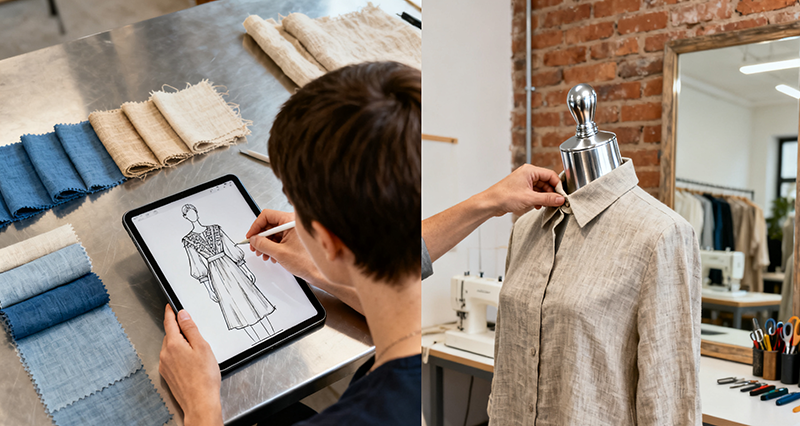
Through services such as Custom Linen Blazers, brands can collaborate with manufacturers to bring their design vision to life. The customization process typically begins with fabric selection, where brands choose the linen weight, weave, and color that best aligns with their collection. Next, pattern creation and prototype sampling allow brands to refine the fit and design, making adjustments to ensure the blazer meets their exact specifications.
Once the prototype is approved, manufacturers move to bulk production, ensuring that every blazer meets the brand’s quality standards. Customization also extends to branding elements, such as adding brand labels, tags, or custom packaging, helping brands build recognition and loyalty among customers. For many brands, custom structured linen blazers become signature pieces that define their collection and set them apart from competitors.
Future Trends in Linen Tailoring
As fashion continues to evolve toward natural fabrics, sustainability, and relaxed tailoring, structured linen blazers are expected to remain a key product category for contemporary brands. Designers are increasingly exploring innovative ways to push the boundaries of linen tailoring, combining traditional techniques with modern design elements to create fresh, on-trend pieces.
One emerging trend is the use of hybrid linen fabrics, which combine linen with other natural fibers (such as organic cotton, hemp, or wool) to enhance durability, wrinkle resistance, and structure. These blends maintain linen’s natural texture and breathability while adding practical benefits that make the blazer more suitable for frequent wear. Another trend is the move toward minimalist tailoring, with designers simplifying silhouettes and reducing unnecessary details to create clean, modern blazers that focus on fabric quality and fit.
Additionally, there is a growing focus on circularity in linen tailoring, with brands exploring ways to create blazers using recycled linen fibers or implementing take-back programs to recycle old linen garments. This aligns with the broader shift toward sustainable fashion and helps brands reduce their environmental impact. As consumers become more conscious of their clothing choices, brands that prioritize circularity and sustainability in their structured linen blazers will have a competitive edge.
Develop Your Structured Linen Blazer Collection
Fashion brands looking to develop premium linen tailoring collections often collaborate with experienced Linen Clothing Manufacturers who understand both fabric behavior and modern design requirements. These manufacturers have the expertise to handle the unique challenges of structured linen tailoring, ensuring that your blazers are both polished and comfortable, sustainable and versatile.
If you are planning to launch structured linen blazers or expand your natural-fabric product line, you can Request Samples to test fabric quality and craftsmanship, or contact our team to Get Quote for personalized private label production tailored to your brand’s vision.