Linen vs Cotton for Minimalist Fashion Brands | Choosing Natural Fabrics
- Share
- Issue Time
- Mar 11,2026
Summary
Linen vs Cotton for Minimalist Fashion Brands | Choosing Natural Fabrics.Compare linen vs cotton for minimalist fashion brands. Learn how natural fabrics influence sustainability, durability, and timeless minimalist clothing design.
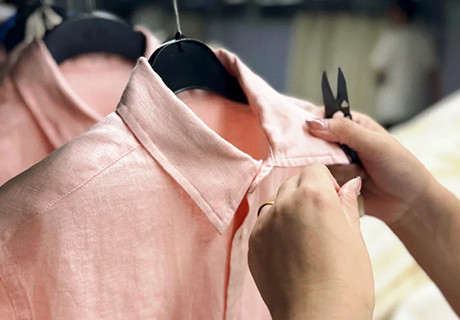
Linen vs Cotton for Minimalist Fashion Brands | Ultimate Fabric Comparison Guide
Minimalist fashion has evolved into one of the most influential design movements in modern apparel, defined by clean silhouettes, neutral color palettes, subtle detailing, and timeless wearability. For minimalist brands, fabric selection is not a secondary choice—it is the foundation of the entire collection. Every texture, weight, and natural characteristic shapes how garments look, feel, age, and resonate with loyal customers. Among all natural fibers, linen and cotton stand as the two most popular options for minimalist capsule wardrobes, everyday essentials, and sustainable focused lines.
While both linen and cotton are breathable, skin-friendly, biodegradable natural materials, they deliver vastly different experiences in terms of texture, durability, drape, aging effect, temperature performance, and visual minimalism. Understanding these critical differences allows designers to curate more intentional collections, enhance product value, and align fabric choices with brand positioning, whether focusing on elevated simplicity, everyday comfort, or eco-luxury aesthetics.
Many leading minimalist labels partner with experienced Linen Clothing Manufacturers to build premium natural-fiber collections that highlight organic texture, long-lasting quality, and timeless design. By comparing linen and cotton in depth, brands can confidently decide which fabric—or balanced blend—best fits their creative vision, target audience, and long-term product strategy.
Minimalist Fashion and Core Fabric Selection Principles
True minimalist fashion rejects overcomplicated patterns, excessive embellishments, and fast-fashion disposability. Instead, it prioritizes quiet luxury, functional elegance, and garments that remain stylish year after year. In this design philosophy, fabrics carry the entire visual narrative—subtle texture replaces prints, natural drape replaces structured padding, and premium fiber quality replaces flashy decorations.
Every fabric chosen for a minimalist collection must fulfill four core requirements: timeless visual appeal, exceptional everyday comfort, long-term durability through repeated washes, and compatibility with neutral, muted color schemes that support effortless mixing and matching. Natural fibers dominate this space because they deliver authentic texture that synthetic materials cannot replicate.
- Timeless natural material appearance that never trends out of style
- All-day breathable comfort suitable for daily layering and wear
- Strong fiber durability to extend garment lifespan and reduce waste
- Subtle organic texture that enhances simple silhouettes naturally
- Neutral color adaptability for cohesive capsule wardrobe building
Both linen and cotton feature prominently across modern Linen Clothing Styles and minimalist ready-to-wear lines, yet each fiber brings a unique personality that shapes the final look and feel of every garment.
Key Natural Characteristics of Linen Fabric
Linen is crafted from processed flax plant fibers, recognized globally as one of the oldest, strongest, and most sustainable natural textiles available. Its inherent structure creates an open, breathable weave that delivers superior airflow, rapid moisture evaporation, and natural temperature regulation. These properties make linen iconic for warm-season wear, resort collections, and elevated minimalist everyday apparel.
Beyond performance, linen carries a distinctive organic texture—a subtle irregular weave, soft natural slubbing, and a matte finish that adds quiet visual depth to even the simplest designs. Unlike smooth fabrics that rely on prints or details for interest, linen’s natural texture makes plain shirts, dresses, and outerwear feel premium and intentional. Linen also ages gracefully, softening gently with every wash while maintaining structural strength over years of wear.
- Ultra-breathable open fiber weave ideal for hot climates and summer wear
- Naturally strong, durable fibers that resist tearing and stretching
- Unique matte texture and subtle slubbing that elevates minimalist silhouettes
- Eco-friendly flax cultivation with low water and pesticide consumption
- G softer and more comfortable over time without losing shape stability
- Quick-drying and moisture-wicking for fresh all-day wear
Foundational pieces such as Custom Linen Shirts become signature minimalist staples because they combine rugged durability, refined texture, and effortless styling potential for every occasion.
Core Characteristics of Cotton Fabric
Cotton is the most widely used natural fiber in global fashion, beloved for its ultra-soft hand feel, uniform smoothness, and incredible versatility. Harvested from cotton plant bolls, it delivers a gentle, skin-friendly texture that works beautifully for basic tees, loungewear, lightweight everyday tops, and casual essential wear. Cotton fabrics can be engineered into countless weights—from sheer voile and soft jersey to sturdy twill and poplin—making it highly adaptable for mass-market minimalist basics.
While cotton offers unmatched softness and accessibility, its visual profile is smoother and less textured than linen. It provides a clean blank canvas for solid-color minimalist wear but lacks the natural depth that makes linen stand out in high-end quiet-luxury collections. Cotton also absorbs moisture slowly compared to linen and may retain heat in humid weather, limiting its performance in hot-climate capsule wardrobes.
- Incredibly soft, smooth hand feel ideal for close-to-skin everyday wear
- Highly adaptable into lightweight, medium, and heavy fabric weights
- Affordable, widely accessible, and easy to source globally
- Uniform surface perfect for plain solid-color minimalist basics
- Comfortable for cool weather and indoor casual loungewear
- Easy to wash, maintain, and integrate into mass production lines
Although cotton excels at casual soft essentials, premium minimalist brands often lean toward linen to add organic character and elevated texture without extra design details.
Durability, Aging Effect and Long-Term Wardrobe Value
Durability is critical for minimalist brands building long-lasting capsule wardrobes focused on slow fashion and reduced consumption. Linen fibers are inherently stronger and more resistant to wear than standard cotton fibers, allowing linen garments to maintain structure, seams, and shape through years of regular washing and frequent wear.
Linen develops a desirable vintage patina over time—softening naturally, relaxing slightly at the seams, and gaining a personalized worn-in character that enhances its aesthetic value. Cotton, by contrast, tends to weaken gradually after repeated laundering, fading in color, thinning at stress points, and losing its original silhouette faster.
- Linen fibers are structurally stronger and more tear-resistant than cotton
- Linen ages beautifully, developing a soft vintage texture over time
- Cotton gradually thins, fades, and loses shape with frequent washes
- Linen retains integrity for multi-season, multi-year wardrobe use
- Cotton is ideal for short-to-medium term everyday essentials
Thanks to this superior longevity, premium minimalist lines feature timeless staples like Linen Clothing Dresses that remain wearable, stylish, and structurally sound for countless seasons.
Texture, Visual Depth and Minimalist Aesthetic Appeal
In minimalist design, where prints, logos, and embellishments are eliminated entirely, fabric texture becomes the primary source of visual interest. Linen’s organic woven texture delivers subtle sophistication that transforms simple oversized shirts, straight-cut dresses, and relaxed outerwear into elevated fashion pieces. Every fold, drape, and natural slub enhances the quiet-luxury aesthetic customers seek.
Cotton offers a smooth, even surface that creates a clean minimalist look but lacks dimensional texture. It works perfectly for basic tees and plain loungewear but cannot replicate the high-end organic presence linen brings to editorial-quality minimalist collections.
- Linen adds natural dimensional texture to solid-color minimalist designs
- Cotton delivers a smooth, uniform finish for ultra-clean basic essentials
- Linen complements neutral earthy palettes effortlessly
- Organic linen texture replaces the need for decorative details
- Cotton maintains simplicity but lacks premium visual depth
Breathability, Temperature Control and Seasonal Performance
Both linen and cotton are breathable natural fibers, yet their performance differs dramatically in warm, humid conditions. Linen’s open weave accelerates airflow and pulls moisture away from the skin instantly, keeping the wearer cool, dry, and fresh even in extreme heat. It remains the ultimate choice for summer minimalist collections, resort wear, and travel-friendly wardrobes.
Cotton breathes well in mild temperatures but absorbs moisture slowly and holds humidity against the skin, becoming heavy and clingy during hot weather. It performs better for cool indoor days, transitional seasons, and lightweight layering rather than intense summer climates.
Lightweight breathable options like Custom Linen Loungewear deliver all-day comfort for warm weather while preserving a polished minimalist appearance suitable for home, travel, and casual outings.
Tailored Silhouettes: Linen vs Cotton for Structured Minimalist Pieces
Minimalist collections rely on a small curated selection of structured tailored pieces to elevate everyday basics. While both fibers can be tailored, linen offers a unique balance of soft drape and subtle structure that creates relaxed sophistication. Heavier-weight linen can hold clean blazer lines while remaining lightweight and breathable.
Cotton lacks the natural rigidity for refined tailored outerwear; it appears too soft and casual for elevated minimalist suiting. Premium structured items such as Custom Linen Blazers bring professional polish to minimalist wardrobes without sacrificing breathability or natural texture.
- Linen supports relaxed tailored blazers and lightweight structured outerwear
- Cotton remains too soft to maintain sharp tailored silhouettes
- Linen balances casual comfort with refined minimalist professionalism
- Structured linen pieces elevate entire capsule wardrobe collections
Sustainability and Ethical Fabric Sourcing
Modern minimalist brands almost always integrate sustainability into their core values, prioritizing renewable fibers, low-impact farming, and long-wear design. Linen stands out as one of the most eco-friendly natural textiles globally: flax requires minimal water, no excessive pesticides, and every part of the plant can be utilized, creating zero production waste.
Cotton sustainability varies greatly depending on farming methods—conventional cotton uses massive water consumption and chemical pesticides, while organic cotton raises costs significantly. Linen naturally aligns with ethical slow-fashion principles without requiring premium organic certifications to deliver low-impact production.
Manufacturing Natural Fiber Minimalist Collections
Developing cohesive minimalist collections with natural fibers demands precise fabric selection, careful weight matching, and specialized sampling to control shrinkage, drape, and final fit. Linen requires extra attention during pattern making and pre-wash processing to maintain consistent sizing across the full collection.
Comprehensive support through Linen Clothing OEM & ODM enables brands to manage fabric sourcing, custom sampling, pattern adjustment, and full bulk production while preserving the minimalist aesthetic and natural fiber quality.
- Precise fabric weight selection for cohesive collection texture
- Pre-wash and shrinkage control for consistent sizing
- Iterative sampling to refine minimalist silhouettes and drape
- Strict quality control to maintain uniform natural fiber appearance
How to Choose Between Linen and Cotton for Your Minimalist Brand
Cotton remains ideal for ultra-soft casual basics, affordable everyday essentials, and cool-weather minimalist loungewear. It delivers gentle comfort, accessibility, and clean simplicity at a lower production cost. Linen, however, dominates premium minimalist lines focused on texture, longevity, heat performance, sustainability, and quiet luxury.
For most elevated minimalist fashion brands, linen becomes the signature fiber—it transforms simple designs into timeless, high-value wardrobe pieces that customers keep and cherish for years.
Build Your Premium Linen Minimalist Collection
If your minimalist brand prioritizes timeless texture, sustainable fibers, long durability, and elevated quiet luxury, partnering with professional Linen Clothing Manufacturers ensures premium quality and refined garment craftsmanship.
You can Request Samples to evaluate linen texture, fabric weight, and finish, or contact our team to Get Quote for custom minimalist linen clothing production.