Linen Clothing OEM vs ODM Manufacturing Guide for Fashion Brands
- Share
- Issue Time
- Mar 13,2026
Summary
Linen Clothing OEM vs ODM Manufacturing Guide for Fashion Brands.Learn the difference between OEM and ODM linen clothing manufacturing and how fashion brands can choose the right production model for custom linen apparel.
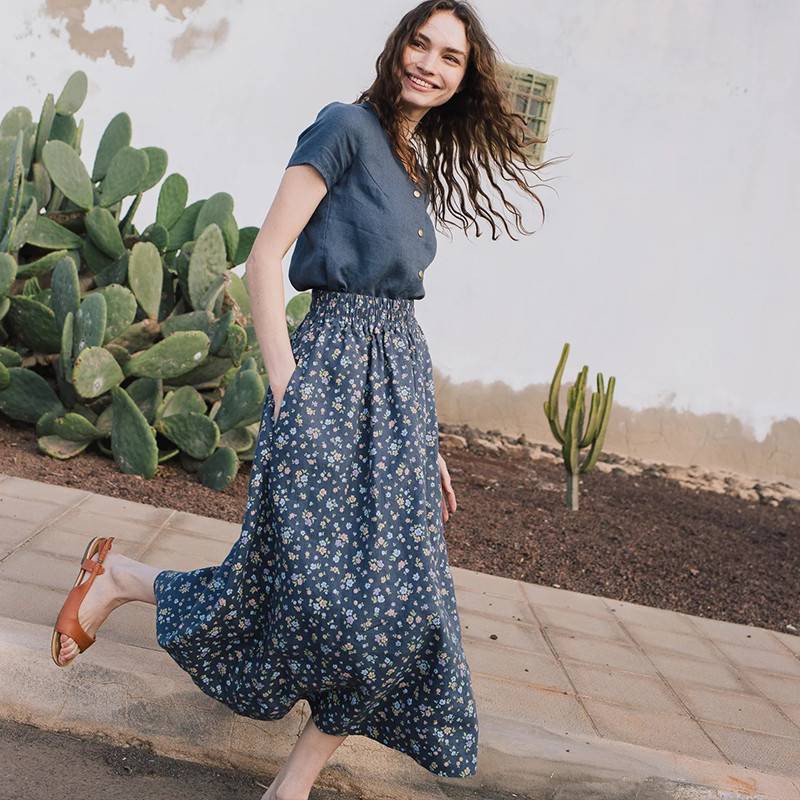
Linen Clothing OEM vs ODM Manufacturing | Complete Comparison Guide
For fashion brands entering the linen apparel market, choosing between OEM and ODM manufacturing models is one of the most important strategic decisions. Linen’s unique characteristics—including breathability, texture, shrinkage behavior, and finishing requirements—demand specialized production knowledge, making the right manufacturing partner even more critical. Understanding the core differences, advantages, limitations, and ideal use cases of OEM and ODM helps brands select a production model that aligns with their design capabilities, timeline, budget, and long-term business goals.
OEM (Original Equipment Manufacturing) and ODM (Original Design Manufacturing) represent two distinct pathways for producing custom linen clothing. OEM puts full design control in the hands of the brand, while ODM leverages the manufacturer’s design expertise to speed up development. Neither model is universally better; the right choice depends on the brand’s internal resources, market experience, product customization needs, and growth strategy.
As linen continues rising in popularity across sustainable fashion, minimalist wardrobes, resort wear, and professional apparel, brands need flexible, reliable production solutions. Many successful brands partner with versatile Linen Clothing Manufacturers that offer both OEM and ODM services, allowing them to adapt their approach based on collection needs, market trends, and business priorities.
What Is OEM Linen Clothing Manufacturing?
OEM, or Original Equipment Manufacturing, is a production model where the fashion brand retains complete creative ownership and control over every aspect of design. The brand provides fully developed designs, technical specifications, measurement charts, material requirements, and construction guidelines, and the manufacturer’s sole responsibility is to produce garments exactly according to those detailed instructions.
In the OEM model, the brand acts as the creative director, while the manufacturer acts as an expert production execution partner. The manufacturer brings specialized linen knowledge, sewing expertise, equipment, and labor to transform the brand’s designs into physical garments. The final products carry the brand’s label, packaging, and identity, with no visible connection to the manufacturing facility.
- The brand provides complete designs, tech packs, and creative direction
- The manufacturer follows specifications precisely for production
- All garments feature the brand’s private label and branding
- Full creative, design, and quality control authority remains with the brand
- Manufacturer focuses on craftsmanship, efficiency, and material execution
OEM manufacturing is the preferred choice for established brands, designer labels, and companies with in-house design teams that create unique, highly customized linen pieces. For example, brands developing signature Custom Linen Shirts with unique cuts, collars, or detailing rely on OEM to protect their original designs and maintain brand identity.
What Is ODM Linen Clothing Manufacturing?
ODM, or Original Design Manufacturing, is a streamlined production model where the manufacturer creates and owns the original garment designs. The fashion brand selects styles from the manufacturer’s existing catalog or collaborates on new designs, then adds its own branding, colors, fabric choices, and minor modifications. The manufacturer handles both design and production, significantly reducing the brand’s development workload.
ODM is perfect for brands that want to launch high-quality linen collections quickly without investing in full-time design teams, pattern makers, or product development departments. The manufacturer uses its expertise in linen fabric behavior, market trends, fit, and construction to create commercially viable styles that appeal to broad consumer groups.
- The manufacturer creates and owns the original garment designs
- The brand selects styles and customizes colors, fabrics, and branding
- Products are sold under the brand’s private label
- Greatly reduces design, sampling, and development timelines
- Lower upfront investment for new and growing brands
ODM production is especially popular among startup brands, e-commerce retailers, boutique labels, and companies expanding into linen for the first time. It removes barriers to entry by combining professional design and production into one simplified solution.
Examples of Linen Garments Produced Through OEM or ODM
Both OEM and ODM models support a full range of linen garment categories, from casual basics to structured tailored pieces. The choice between models depends more on brand strategy than garment type. High-end customized pieces and mass-market essentials can all be produced effectively using either approach.
Best-selling linen items such as Linen Clothing Dresses are commonly produced through both OEM and ODM. OEM versions feature exclusive brand designs, while ODM versions use manufacturer-developed silhouettes customized with brand colors and labels.
- Minimalist summer dresses, slip dresses, and shirt dresses
- Relaxed and tailored linen shirts for everyday and formal wear
- Structured blazers, jackets, and professional outerwear
- Lounge sets, casual wear, and resort-style apparel
- Pants, shorts, skirts, and matching linen coordinate sets
Top manufacturers support all categories, allowing brands to mix OEM and ODM styles within a single collection for maximum flexibility and commercial appeal.
Tailored Linen Garments in OEM Production
Structured, tailored linen garments demand precision pattern making, careful sewing, and strict adherence to design specifications. These high-value pieces—including blazers, tailored dresses, and formal bottoms—are almost exclusively produced using OEM manufacturing to protect design originality and ensure perfect fit.
In OEM production, brands provide detailed technical drawings, measurement specs, and construction requirements for structured pieces like Custom Linen Blazers. The manufacturer then executes production with precision, maintaining the sharp lines, shoulder structure, and tailored fit defined by the brand.
OEM ensures tailored garments remain exclusive to the brand, preventing identical styles from appearing in competitor collections. This exclusivity strengthens brand positioning and supports premium pricing.
Relaxed Lifestyle Garments in ODM Production
Relaxed, trend-driven lifestyle linen pieces are ideally suited for ODM production. These styles focus on comfort, current silhouettes, and commercial appeal rather than exclusive design originality, making manufacturer-created designs highly effective.
Popular items like Custom Linen Loungewear, casual sets, and loose-fitting tops are frequently offered as ODM base styles. Brands can quickly customize these proven designs with their own color palette, fabric selection, and branding.
- Ultra-fast product development and time-to-market
- Significantly reduced design workload and costs for brands
- Proven, commercially successful silhouettes with lower risk
- Simple customization for colors, labels, and minor details
- Perfect for fast-fashion and trend-driven collections
ODM allows brands to respond quickly to seasonal trends without long design cycles, keeping collections fresh and competitive.
Choosing Between OEM and ODM: Key Decision Factors
The decision between OEM and ODM manufacturing depends on a brand’s design capacity, timeline, budget, customization needs, and long-term brand strategy. Understanding the strengths of each model helps brands make a choice that supports growth and profitability.
Brands with full design teams, unique concepts, and a focus on exclusivity benefit most from OEM. Brands seeking speed, affordability, and simplicity achieve better results with ODM. Many large brands use both models simultaneously for different product lines.
- Choose OEM for fully original, highly customized, exclusive designs
- Choose ODM for fast launches, lower costs, and minimal design work
- OEM offers full control; ODM offers maximum convenience
- OEM requires complete tech packs; ODM provides ready-made designs
- OEM suits premium brands; ODM suits startups and mass retailers
Leading manufacturers with expertise across diverse Linen Clothing Styles support both models, giving brands unmatched flexibility to adapt to changing market needs.
Sampling: A Critical Step in Both OEM and ODM Production
Regardless of whether a brand chooses OEM or ODM, sampling remains an essential and non-negotiable step in linen clothing production. Samples allow brands to test fit, fabric quality, construction, and appearance before committing to bulk orders.
In OEM, samples verify that the manufacturer correctly interprets the brand’s design. In ODM, samples allow brands to review and adjust manufacturer-created styles. Sampling reduces risk, ensures quality, and aligns expectations between brand and manufacturer.
- Prototype development to test fit, silhouette, and construction
- Fabric quality, color, weight, and texture verification
- Fit adjustments, pattern revisions, and design refinements
- Final pre-production sample approval for bulk reference
- Confirmation of stitching, finishing, and labeling details
Professional Linen Clothing OEM & ODM services include comprehensive sampling support, guiding brands from initial prototypes to final approved samples.
Production Quality Control in OEM vs ODM
Quality control (QC) remains equally important in both OEM and ODM linen production. Reputable manufacturers implement strict multi-stage inspection processes to ensure every garment meets standards, regardless of who created the original design.
In OEM, QC ensures compliance with brand-specific specs. In ODM, QC ensures consistency across customized styles. In both cases, thorough inspections protect brand reputation and reduce customer returns.
- Fabric inspection for defects, weight, and color consistency
- In-line production checks during cutting and sewing
- Full garment measurement and workmanship inspection
- Finishing, washing, and labeling quality verification
- Final packaging review before shipment
Cost, Timeline & Efficiency Comparison
Timeline and cost are major considerations when choosing between OEM and ODM. ODM generally offers faster speed and lower upfront costs, while OEM involves longer development but delivers exclusive products.
OEM requires design, tech pack creation, pattern making, and multiple sampling rounds, increasing time and investment. ODM skips most design stages, allowing brands to launch in weeks rather than months.
- ODM: Faster development, lower design cost, quicker market entry
- OEM: Longer timeline, higher development investment, exclusive products
- ODM: Lower risk with proven, market-tested silhouettes
- OEM: Higher potential for brand differentiation and premium pricing
Building Long-Term Manufacturing Partnerships
Whether using OEM, ODM, or a combination of both, the most successful fashion brands prioritize long-term partnerships with reliable linen manufacturers. Stable relationships improve communication, consistency, efficiency, and overall product quality over time.
A trusted manufacturer becomes a strategic partner, understanding brand preferences, quality standards, and business goals. This collaboration leads to better collection planning, faster problem-solving, and scalable growth.
- Consistent product quality across all collections
- Shorter development cycles for repeated orders
- Stronger communication and proactive problem-solving
- Scalable production to support brand growth
- Customized solutions for evolving brand needs
Working with experienced linen manufacturers ensures garments meet design expectations, quality standards, and market demands, whether produced through OEM or ODM models.
Choose Flexible OEM & ODM Linen Manufacturing
Whether you need full design control with OEM or fast, convenient production with ODM, experienced Linen Clothing Manufacturers provide flexible, professional solutions for premium linen apparel.
You can Request Samples to evaluate fabric, fit, and craftsmanship, or contact our expert team to Get a Quote for custom OEM or ODM linen clothing production.