Linen Blazers vs Cotton Blazers: Which Is Better for Modern Fashion Brands?
- Share
- Issue Time
- Feb 28,2026
Summary
Linen Blazers vs Cotton Blazers: Which Is Better for Modern Fashion Brands?Compare linen blazers and cotton blazers for comfort, sustainability, structure, and productionstrategy. Learn which fabric works best for professional collections and warm-climate markets.
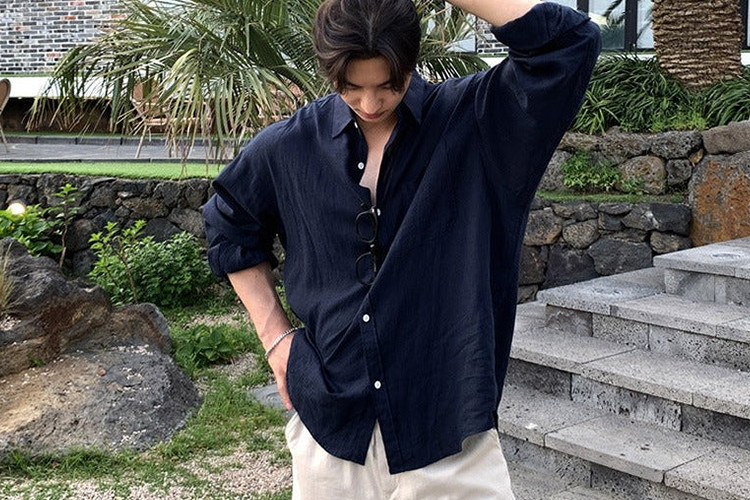
Fabric Comparison Guide
Choosing between linen blazers and cotton blazers is no longer only about comfort.
Modern fashion brands must consider climate adaptability, sustainability positioning,
structure, wrinkle behavior, and long-term production scalability.
Both fabrics offer advantages, but understanding how they perform in real workwear
and lifestyle markets helps brands design smarter collections.
Both linen and cotton blazers serve professional and smart-casual markets,
but they are designed for different performance priorities.
Cotton blazers traditionally focus on structure and wrinkle resistance,
while linen blazers emphasize breathability, texture, and seasonal versatility.
Many brands working with a specialized
Workwear Linen Clothing Manufacturer
combine both fabrics within seasonal collections to address different markets.
Comfort differences become most obvious in warm climates or travel-focused collections.
Linen fibers naturally allow air circulation and moisture evaporation,
making them particularly attractive for modern workwear and business travel garments.
Brands designing lightweight office capsules increasingly pair linen blazers
with breathable basics such as
Custom Linen Shirts
to create cohesive warm-weather professional wardrobes.
Appearance is often the deciding factor when choosing fabrics.
Cotton tends to create sharper lines immediately after pressing,
while linen develops character through texture and natural movement.
Sustainability has become one of the strongest reasons fashion brands transition toward linen.
Flax cultivation typically requires less water and fewer chemical inputs compared to conventional cotton production.
Brands building transparent sourcing strategies often begin development through
Linen clothing OEM&ODM
programs to align materials, finishing, and certification planning early.
From a manufacturing perspective, linen requires more disciplined sampling
and quality control than cotton.
Shrinkage testing, pressing standards, and pattern balance must be confirmed
before bulk production begins.
When executed correctly, linen garments maintain strong repeat-order performance
because fit blocks and finishing standards remain stable across seasons.
our custom linen tops manufacturing services
extend into structured linen tailoring programs including shirts,
blazers, dresses, and coordinated office collections.
We help brands translate breathable linen into professional silhouettes
through disciplined sampling and bulk production workflows.
Discuss your collection direction, target market, and fabric preferences through
Contact Us
to begin structured sampling planning.
Not necessarily. With proper tailoring and mid-weight fabrics,
linen blazers deliver polished professional looks while remaining breathable.
Yes, linen wrinkles more easily, but modern finishing techniques
and relaxed tailoring aesthetics turn natural texture into a design advantage.
Linen typically performs better in warm climates due to airflow,
comfort, and sustainability storytelling valued by modern consumers.
Linen Blazers vs Cotton Blazers: Which Fabric Works Better for Modern Brands?
1. Overview: Linen vs Cotton Blazers
Core differences at a glance
2. Comfort and Climate Performance
Linen Blazer Advantages
Cotton Blazer Advantages
3. Structure and Appearance Differences
Linen aesthetic advantages
4. Sustainability and Brand Positioning
Why linen strengthens sustainability messaging
5. Manufacturing and Production Considerations
Key production checkpoints for linen blazers
6. Which Brands Choose Linen or Cotton?
Brands Choosing Linen Blazers
Brands Choosing Cotton Blazers
How Linenwind Supports Linen Blazer Programs
Why brands collaborate with us
Start your blazer development project
FAQs
Are linen blazers too casual for professional wear?
Do linen blazers wrinkle more than cotton?
Which fabric sells better in summer markets?