How to Start Working with a Clothing Manufacturer (2026 Guide)
- Share
- Issue Time
- Dec 23,2024
Summary
Learn how to start working with a clothing manufacturer. Step-by-step guide covering sourcing, MOQ, costs, sampling, and production.
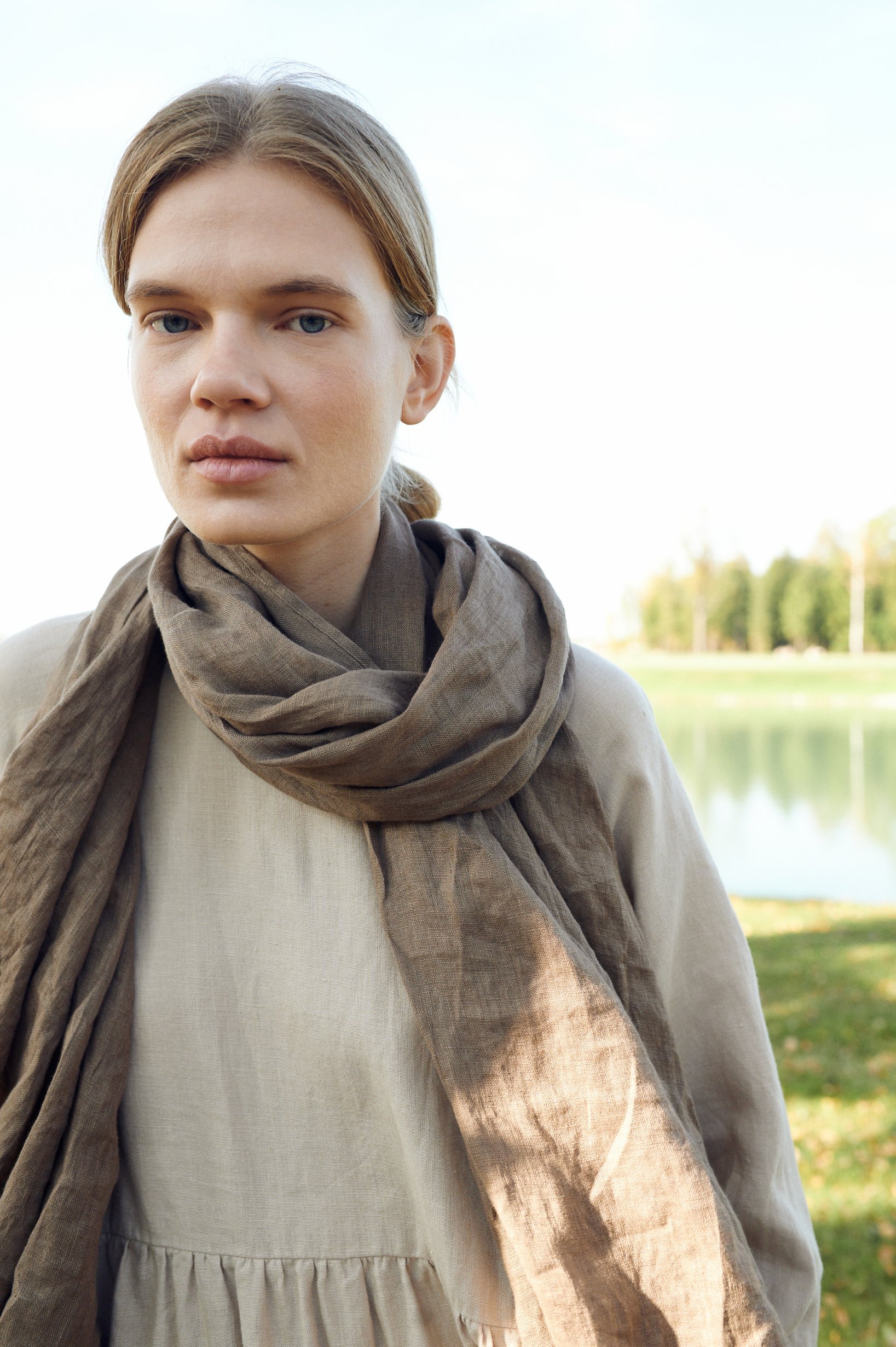
How to Start Working with a Clothing Manufacturer: Complete Guide for Brands
Starting a clothing brand or expanding your product line requires more than design ideas. One of the most critical steps is choosing and working effectively with the right manufacturer.
For brands entering the apparel industry, understanding how to work with professional Linen Clothing Manufacturers can reduce production risks, improve product quality, and support long-term scaling.
Introduction: Why Working with the Right Manufacturer Matters
Working with a clothing manufacturer is not only about placing an order. It is a structured process that includes product planning, material selection, sampling, pricing, quality control, production management, and delivery coordination.
Many new brands make the mistake of contacting factories too early, before they have clear product details. This often leads to inaccurate quotations, slow communication, sample mistakes, and unexpected production costs.
Key point: The better prepared your product information is, the easier it is for a manufacturer to quote accurately, develop samples efficiently, and manage production smoothly.
Step 1: Prepare Your Design and Product Concept
Before contacting a manufacturer, define your product idea clearly. A factory needs to understand what you want to make, who the product is for, and what level of quality you expect.
Product Type
Clarify whether you are making dresses, shirts, pants, sets, tops, loungewear, resort wear, or another category.
Target Market
Define your audience, price positioning, style direction, and expected quality level before requesting a quote.
Order Plan
Prepare an estimated order quantity, size range, colors, and launch timeline to help suppliers evaluate feasibility.
What You Should Prepare
- Design sketches or reference images
- Target customer and market positioning
- Product category and style direction
- Estimated order quantity
- Budget range and target retail price
- Preferred materials, colors, trims, and packaging needs
If you do not have a full tech pack, many manufacturers can still help with development. However, the more details you provide, the more accurate the quotation and sample will be.
Step 2: Create a Basic Tech Pack
A tech pack is a production document that explains how a garment should be made. It reduces misunderstandings and helps the factory estimate cost, timeline, materials, and construction requirements.
Key Elements of a Tech Pack
| Tech Pack Element | Why It Matters |
|---|---|
| Flat Sketch or Reference Image | Shows garment shape, design details, and construction direction. |
| Measurements | Helps the factory create accurate patterns and size grading. |
| Fabric Details | Defines material type, weight, composition, color, and finishing. |
| Trim Details | Includes buttons, zippers, labels, drawstrings, elastic, or other accessories. |
| Construction Notes | Explains stitching, seams, pockets, closures, lining, and special details. |
A clear tech pack speeds up sampling, reduces revision rounds, and makes communication more professional.
Step 3: Shortlist the Right Manufacturer
Not all clothing manufacturers are suitable for every brand. Some factories focus on large-volume basics, while others specialize in small-batch custom production, premium fabrics, or specific product categories.
Key Factors to Evaluate
- Experience in your product category
- Fabric expertise, especially if you use natural fabrics like linen
- Sampling capability and development speed
- MOQ flexibility for small or growing brands
- Quality control system
- Communication efficiency and export experience
Red Flags to Avoid
- Very slow response time
- Unclear pricing or vague quotation details
- No sample development support
- No clear production timeline
- Poor communication before payment
Supplier tip: If a manufacturer communicates poorly during the quotation stage, the problem may become worse during sampling and bulk production.
Step 4: Request Quotations and Compare Costs
After shortlisting suppliers, request quotations based on clear product information. Avoid asking only “How much is this style?” without quantity, fabric, size range, or packaging details.
What to Include in an RFQ
- Design sketch or reference image
- Estimated quantity per style and color
- Fabric requirement or preferred material
- Size range and grading requirements
- Logo, label, hangtag, and packaging needs
- Shipping destination and target delivery date
Typical Cost Breakdown
| Cost Element | Description | Impact |
|---|---|---|
| Fabric | Main material cost, often affected by fiber quality, weight, dyeing, and finishing. | High |
| Labor | Cutting, sewing, washing, ironing, trimming, and finishing. | Medium to High |
| Trims | Buttons, zippers, labels, care labels, hangtags, and packaging materials. | Medium |
| Sampling | Pattern development, sample sewing, and revision work. | Variable |
| Shipping | Air, sea, or express delivery based on destination and urgency. | Variable |
For a more detailed breakdown, read our supporting article: Linen Clothing Cost Guide.
Step 5: Understand MOQ Requirements
MOQ means minimum order quantity. It determines the minimum number of pieces a factory requires for production. MOQ exists because factories need to cover material sourcing, cutting, production setup, labor planning, and quality control costs.
Typical MOQ Range
| Brand Stage | Typical MOQ | Best Use Case |
|---|---|---|
| Startup Brand | 30–100 pcs/style | Testing market demand and launching small collections. |
| Growing Brand | 100–300 pcs/style | Stable seasonal production and repeat orders. |
| Established Brand | 500+ pcs/style | Wholesale, retail chains, or large-volume programs. |
Tips to Handle MOQ
- Start with simple designs to reduce development risk
- Use available or stock fabrics where possible
- Limit colorways and size range in the first order
- Build a long-term cooperation plan with the factory
For more details, see Linen Clothing MOQ Explained.
Step 6: Develop Samples Before Production
Sampling is one of the most important steps in apparel manufacturing. It allows you to check fit, fabric behavior, stitching, finishing, sizing, and overall product quality before approving bulk production.
Typical Sampling Process
- Send design details, tech pack, or reference sample.
- Manufacturer reviews materials, pattern, and construction.
- Factory develops the first sample.
- Brand reviews fit, quality, and design accuracy.
- Revisions are made if needed.
- Final pre-production sample is approved before bulk production.
Sampling Timeline
- First sample: usually 7–14 days after details are confirmed
- Revision sample: usually 3–7 days depending on changes
- Pre-production sample: confirmed before bulk cutting starts
Step 7: Confirm Production Details Before Bulk Order
Before bulk production begins, confirm every detail in writing. This helps avoid costly mistakes and production delays.
Pre-Production Confirmation Checklist
- Final sample approval
- Fabric quality and color confirmation
- Size chart and grading approval
- Label, hangtag, and packaging confirmation
- Order quantity by size and color
- Production timeline and delivery schedule
- Quality control requirements
Step 8: Monitor Production and Quality Control
A professional manufacturer should provide production updates and quality control checks throughout the order. This is especially important when working with custom designs, natural fabrics, or new suppliers.
Key Quality Checks
- Fabric inspection before cutting
- Measurement checking during production
- Stitching and seam inspection
- Color and shade consistency review
- Final product inspection before packing
For linen garments, quality control is especially important because linen can shrink, wrinkle, and show natural texture variation. Experienced Linen Clothing Manufacturers should understand how to manage these fabric characteristics.
Step 9: Shipping and Delivery
After production and final inspection, garments are packed and shipped based on your budget, destination, and delivery timeline.
| Shipping Method | Best For | Main Advantage |
|---|---|---|
| Sea Freight | Bulk orders | Lower cost for large shipments |
| Air Freight | Urgent orders | Faster delivery |
| Express Courier | Samples and small orders | Convenient door-to-door delivery |
Common Export Documents
- Commercial invoice
- Packing list
- Bill of lading or airway bill
- Certificate of origin if required
Common Mistakes When Working with Clothing Manufacturers
Many production problems can be avoided with better preparation and clearer communication.
- Contacting factories without product details
- Choosing only the cheapest quotation
- Skipping the sample stage
- Not confirming fabric and color before bulk production
- Ignoring quality control before shipment
- Changing details after production has started
Case Example: How Brands Start Successfully
A typical startup brand may begin with 50–100 pieces per style to test a small capsule collection. After collecting customer feedback, the brand can improve fit, adjust fabrics, identify best-selling products, and gradually scale to 300–500 pieces per style.
This approach reduces inventory risk and allows the brand to build a stronger supplier relationship. For example, a linen brand may first test Custom Linen Dresses, then expand into shirts, pants, resort wear, and matching sets after validating demand.
Why Work with Linenwind
At Linenwind, we support brands at every stage of linen apparel manufacturing, from product development to sampling, bulk production, quality control, packaging, and export coordination.
- Low MOQ support for small-batch testing
- Full OEM and ODM linen clothing services
- 20+ years of apparel production experience
- Custom development for dresses, shirts, tops, pants, sets, and resort wear
- Dedicated communication throughout production
You can explore our Custom Linen Dresses collection or learn more about our Linen Clothing OEM & ODM services.
Start Your Custom Linen Clothing Project
If you are preparing to work with a clothing manufacturer, Linenwind can help you develop samples, confirm production details, control quality, and scale your linen apparel collection with confidence.
Contact UsFrequently Asked Questions
What is the first step to working with a clothing manufacturer?
The first step is preparing your product concept, reference images, estimated quantity, target market, and basic design details. This allows the manufacturer to understand your project and provide a more accurate quotation.
Do I need a tech pack before contacting a manufacturer?
A tech pack is highly recommended, but it is not always required. If you do not have one, some manufacturers can help develop patterns and samples based on sketches or reference products.
How long does clothing production take?
Sampling usually takes 7–14 days. Bulk production usually takes 30–45 days after sample approval, depending on fabric availability, order quantity, and design complexity.
Can clothing manufacturers help develop designs?
Yes. Many manufacturers offer OEM and ODM services, including pattern development, fabric sourcing, sample making, and private label customization.
How can I reduce production risk?
You can reduce risk by preparing clear product details, approving samples before bulk production, confirming all materials in writing, and working with a manufacturer that provides regular production updates and quality control.
Final Thoughts
Working with a clothing manufacturer is a step-by-step process that requires preparation, clear communication, sampling, production planning, and quality control. The more organized your information is, the easier it becomes for the factory to support your brand effectively.
By understanding how manufacturers evaluate projects, quote pricing, manage MOQ, develop samples, and control production quality, brands can reduce risk and build a more reliable supply chain for long-term growth.