How to Choose a Reliable Wholesale Linen Skirt Manufacturer (2026)
- Share
- Issue Time
- Apr 29,2026
Summary
Learn how to choose a reliable linen skirt manufacturer. Complete guide covering MOQ, cost, sampling, quality control, and supplier evaluation.
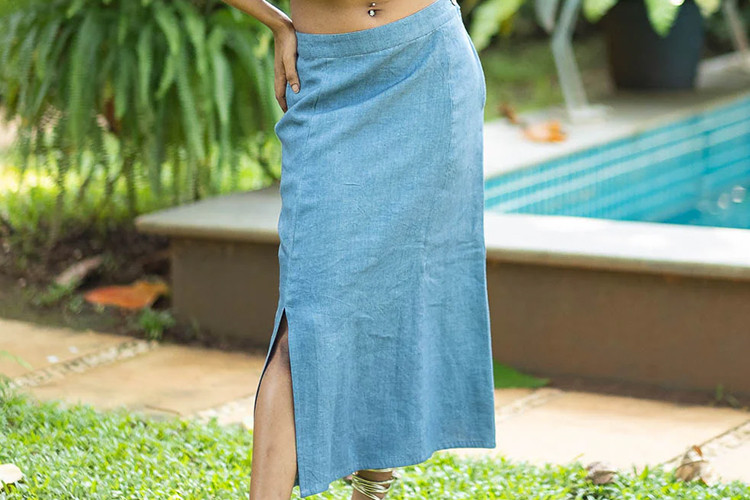
How to Choose a Reliable Wholesale Linen Skirt Manufacturer for Your Brand
Linen skirts are a valuable category for fashion brands focused on sustainability, comfort, resort wear, and seasonal collections. However, the success of your product line depends heavily on selecting the right manufacturing partner.
Choosing a reliable wholesale linen skirt manufacturer is not just about price. It affects product quality, production timelines, scalability, customer satisfaction, and long-term brand reputation.
Introduction: Why Choosing the Right Linen Skirt Manufacturer Matters
For brands sourcing from experienced Linen Clothing Manufacturers, supplier evaluation is one of the most important steps before placing a wholesale order. A strong manufacturer can help you control fabric quality, improve fit, reduce production mistakes, and build a stable supply chain.
Linen skirts may look simple, but they require careful fabric selection, cutting accuracy, shrinkage control, waistband construction, finishing, and quality inspection. If the manufacturer lacks experience with linen, the final product may face problems such as poor drape, uneven sizing, fabric shrinkage, or inconsistent color.
Key takeaway: A reliable linen skirt manufacturer should understand both garment construction and the natural behavior of linen fabric. This combination is essential for producing wholesale linen skirts that look good, fit well, and remain consistent across bulk orders.
What Makes Linen Skirt Manufacturing Different?
Linen is a natural fiber made from flax. It is breathable, durable, and highly suitable for warm-weather fashion. However, it also has characteristics that require professional handling during production.
Key Challenges in Linen Skirt Production
- Natural fabric shrinkage after washing and finishing
- Color variation between fabric batches
- Fabric stiffness affecting drape and movement
- Wrinkle-prone texture requiring proper finishing
- Waistband and hem stability during repeated wear
- Measurement tolerance control after garment washing
Why Specialized Manufacturers Matter
A factory experienced in linen garments can pre-treat fabric to control shrinkage, optimize skirt drape, ensure consistent dyeing results, and apply suitable sewing techniques for durability. This is especially important for brands that sell linen skirts as part of premium, resort, lifestyle, or sustainable fashion collections.
Types of Linen Skirts You Can Manufacture
Before selecting a supplier, brands should understand the specific skirt category they want to develop. Different skirt types require different fabric weights, patterns, construction details, and finishing processes.
A-Line Linen Skirts
Popular for casual and feminine collections. They require balanced fabric weight to maintain shape without feeling stiff.
Wrap Linen Skirts
Ideal for resort and vacation wear. Construction accuracy is important for secure closure and comfortable fit.
Linen Midi Skirts
Suitable for everyday, workwear, and lifestyle brands. Drape, hem balance, and waistband comfort are key.
Linen Maxi Skirts
Used in vacation and summer collections. Fabric flow, length control, and shrinkage testing are especially important.
Elastic Waist Skirts
Common for relaxed and casual lines. Elastic quality, waistband tension, and size grading must be controlled.
Structured Linen Skirts
Better for premium or minimalist collections. They usually need medium-weight linen or linen blends.
Key Factors to Evaluate a Wholesale Linen Skirt Manufacturer
Choosing the right manufacturer requires a structured evaluation. Price is important, but it should not be the only deciding factor. The following areas can help brands identify whether a supplier is suitable for wholesale linen skirt production.
1. Fabric Expertise
A reliable manufacturer should understand how different linen fabrics behave in skirt construction. Fabric weight, weave, finishing, softness, and shrinkage all affect final garment quality.
- Lightweight linen works well for flowy vacation skirts
- Medium-weight linen is better for structured midi or A-line skirts
- Linen blends can improve softness, stability, or wrinkle resistance
- Washed or enzyme-treated linen can improve comfort and hand feel
2. Sampling Capability
Sampling quality reflects a factory’s real development ability. A professional supplier should be able to translate your design idea into a wearable sample and adjust details based on feedback.
| Sampling Item | What to Check |
|---|---|
| Fit | Waist, hip, length, hem balance, and ease of movement |
| Fabric Behavior | Drape, shrinkage, stiffness, and wrinkle appearance |
| Construction | Waistband, seams, hem, lining, closure, and pocket quality |
| Finishing | Pressing, washing effect, softness, and final appearance |
3. Production Capacity
Your manufacturer should be able to match your current stage and future growth. A startup may need small-batch support, while a wholesale brand may need stable monthly production and repeat-order capacity.
| Brand Stage | Suggested Capacity | Best Fit |
|---|---|---|
| Startup | 30–100 pcs/style | Market testing and small capsule collections |
| Growing Brand | 100–300 pcs/style | Seasonal wholesale drops and repeat orders |
| Established Brand | 500+ pcs/style | Retail distribution and larger production programs |
4. MOQ Flexibility
MOQ, or minimum order quantity, is critical for brand development. A good supplier should support realistic starting quantities while helping you plan future production growth.
Flexible MOQ can help brands test linen skirt designs without committing to excessive inventory. This is especially useful when launching a new style, testing new colorways, or entering a new market.
For a deeper explanation, read Linen Clothing MOQ Explained.
5. Cost Transparency
A reliable wholesale linen skirt manufacturer should provide a clear quotation instead of vague pricing. Transparent pricing helps you understand where your budget goes and how to adjust design details if needed.
| Cost Element | Description | Cost Impact |
|---|---|---|
| Fabric | Linen quality, weight, origin, dyeing, washing, and finishing | High |
| Labor | Pattern, cutting, sewing, waistband construction, hemming, and finishing | Medium to High |
| Trims | Elastic, buttons, zippers, labels, care labels, and hangtags | Medium |
| Packaging | Poly bags, custom packaging, barcode labels, and carton packing | Low to Medium |
| Shipping | Air, sea, or express delivery depending on destination and urgency | Variable |
For more pricing details, see Linen Clothing Cost Guide.
6. Quality Control System
Quality control is essential in wholesale linen skirt production. A reliable manufacturer should inspect fabric before cutting, monitor production during sewing, and check finished garments before packing.
- Fabric inspection before cutting
- Measurement checking by size
- Waistband and seam strength inspection
- Color and shade consistency review
- Final appearance and packing inspection
7. Communication and Responsiveness
Clear communication can prevent many production issues. A reliable manufacturer should respond clearly, confirm details in writing, provide updates during production, and solve problems proactively.
Practical advice: Evaluate supplier communication before placing an order. If quotation details, sample feedback, or timeline answers are unclear at the beginning, production communication may become more difficult later.
Questions to Ask Before Choosing a Manufacturer
Before placing a wholesale linen skirt order, prepare a list of questions. These questions help you understand the supplier’s capability, process, cost structure, and risk control.
Supplier Evaluation Checklist
- What is your MOQ for linen skirts?
- Do you provide sampling services before bulk production?
- What linen fabrics do you recommend for skirts?
- How do you control shrinkage after washing?
- What is your standard sampling timeline?
- What is your bulk production timeline?
- Can you support custom labels and packaging?
- How do you inspect fabric and finished garments?
- Can you produce multiple skirt styles in one collection?
- Do you support repeat orders and seasonal production?
You can also build a broader supplier evaluation process using What to Ask a Clothing Manufacturer as a supporting guide.
Common Mistakes to Avoid
Many brands face production issues because they choose manufacturers too quickly or evaluate only based on price. To reduce risk, avoid the following mistakes:
- Choosing based only on the lowest quotation
- Skipping sample testing before bulk production
- Not confirming fabric weight, finishing, and shrinkage
- Ignoring waistband, hem, and measurement tolerance details
- Starting production without written confirmation
- Not checking quality control process before shipment
Case Example: How Brands Start Linen Skirt Production
A fashion startup may begin with 50–100 pieces per linen skirt style to test market demand. The first collection may include one A-line skirt, one wrap skirt, and one elastic waist midi skirt. After gathering sales data and customer feedback, the brand can improve sizing, refine fabric choice, and reorder best-selling styles at higher quantities.
This approach allows the brand to reduce inventory risk while building a stronger relationship with its manufacturer. As production grows, the brand can expand into linen dresses, shirts, pants, resort wear, and matching sets.
Why Work with Linenwind
At Linenwind, we specialize in custom linen garment manufacturing for fashion brands worldwide. With over 20 years of apparel production experience, we support brands from concept development to sampling, bulk production, quality control, private label packaging, and export coordination.
Our Advantages
- Low MOQ support for small-batch testing
- OEM and ODM linen clothing services
- Custom development for linen skirts, dresses, shirts, tops, pants, and sets
- Fabric sourcing, sampling, production, QC, and packaging support
- Dedicated communication throughout the production process
You can explore related product development through our Custom Linen Dresses collection or learn more about our Linen Clothing OEM & ODM services.
Start Your Custom Linen Skirt Project
If you are looking for a reliable wholesale linen skirt manufacturer, Linenwind can help you develop samples, control fabric quality, manage production, and scale your linen apparel collection with confidence.
Contact UsFrequently Asked Questions
What is the MOQ for linen skirt manufacturers?
Most linen skirt manufacturers require 30–100 pieces per style, depending on fabric availability, design complexity, color requirements, and customization details.
How long does linen skirt production take?
Sampling usually takes 7–14 days after details are confirmed. Bulk production usually takes 30–45 days after sample approval, depending on order quantity and fabric readiness.
Can I customize linen skirts?
Yes. Linen skirts can be customized by fabric weight, color, length, waist construction, closure type, size range, labels, hangtags, and packaging.
What fabrics are best for linen skirts?
Medium-weight linen and linen blends are commonly used for skirts because they provide better drape, structure, and durability. Lightweight linen is suitable for flowy resort or vacation styles.
How do I know if a manufacturer is reliable?
A reliable manufacturer should provide clear communication, sampling support, transparent quotations, quality control procedures, realistic timelines, and experience with linen garment production.
Final Thoughts
Choosing a reliable wholesale linen skirt manufacturer is a strategic decision that directly affects product quality, production efficiency, customer satisfaction, and long-term brand growth.
By evaluating fabric expertise, sampling ability, MOQ flexibility, cost transparency, quality control, and communication, brands can build stronger manufacturing partnerships and scale linen skirt production with lower risk.