How Linen Shirts Fit Sustainable Fashion Collections | Natural Fiber Value & OEM/ODM Guide
- Share
- Issue Time
- Mar 8,2026
Summary
How Linen Shirts Fit Sustainable Fashion Collections | Natural Fiber Value & OEM/ODM Guide.Discover how linen shirts fit sustainable fashion collections through natural-fiber appeal, timeless styling, cross-category merchandising, and OEM/ODM development for modern responsible brands.
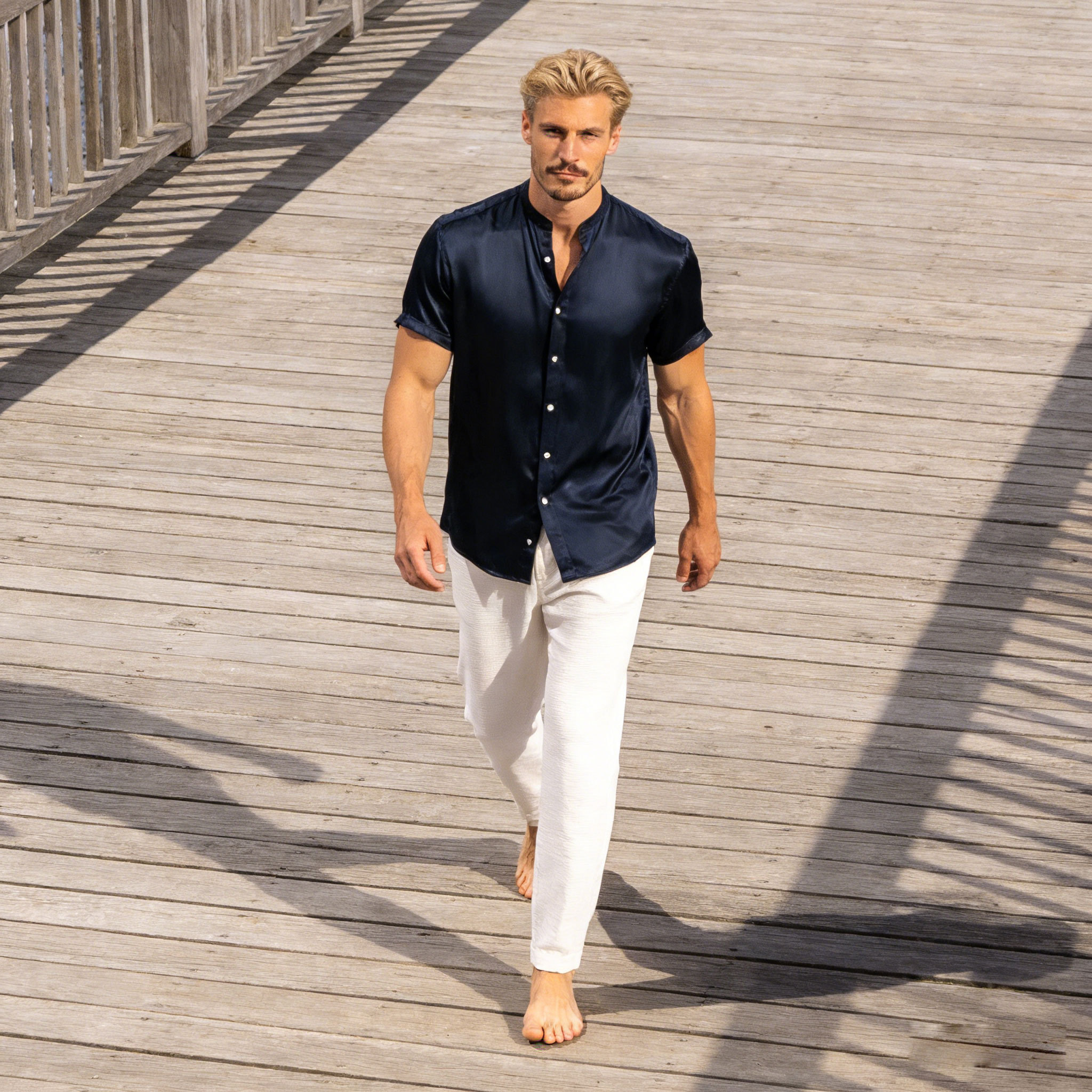
Sustainable Collection Guide
Linen shirts stand as a core pillar for modern sustainable fashion brands, merging authentic natural fiber credibility, everyday wearable functionality, timeless minimalist aesthetics, and powerful cross-category commercial value. For labels building responsible, low-waste, and slow-fashion focused collections, linen shirts deliver far more than a compelling material story — they create a stable foundation for evergreen core products, subtle seasonal iterations, and cohesive natural wardrobe systems that guide consumers toward intentional, long-lasting consumption. This comprehensive guide breaks down how linen shirts integrate seamlessly into sustainable fashion lines, explains their enduring commercial advantages, and outlines clear frameworks for brands to develop scalable, bulk-ready linen shirt programs via professional OEM/ODM collaboration.
Sustainable fashion collections achieve optimal market performance when every piece balances ethical integrity with genuine daily wearability — and linen shirts excel at both critical benchmarks. Easy for consumers to understand, effortless to style across countless scenarios, and inherently aligned with the slow-fashion movement that rejects disposable clothing, linen shirts outperform trend-driven styles with fleeting relevance. A thoughtfully crafted linen shirt remains functional across multiple seasons, occasions, and wardrobe rotations for years, making it an irreplaceable building block for brands prioritizing product longevity over short-term viral novelty in the competitive conscious fashion market.
Premium sustainable brand messaging hinges entirely on transparent, credible material selection — and linen delivers unmatched natural-fiber authenticity that resonates deeply with eco-aware consumers. Linen’s organic texture, breathable composition, and minimal processing footprint create an immediate visual and tactile impression of honesty and sustainability, standing apart from synthetic fabrics or heavily chemically treated alternatives. Even before customers read detailed product descriptions or sustainability disclosures, linen’s inherent character communicates a grounded, ethical material narrative that strengthens brand trust and differentiates labels in the crowded sustainable fashion space.
High-performing sustainable collections rely on evergreen core products that remain in active rotation year after year — and linen shirts are engineered for this critical role. Versatile enough to adapt through subtle adjustments to color, fabric wash finish, or tailored fit, a perfected linen shirt silhouette never requires complete seasonal redesign. It evolves gently with the collection, maintaining consistent brand recognition while staying fresh for new customers, making it the ultimate low-risk, high-reward core item for sustainable fashion labels worldwide.
A persistent challenge for sustainable fashion brands is reconciling ethical brand values with real-world retail profitability — and linen shirts solve this conflict effortlessly. Beyond supporting eco-friendly messaging and sustainable storytelling, linen shirts are intuitive for customers to purchase, easy to style repeatedly, and proven to generate reliable long-term sales. This balance makes them far more commercially dependable than overly conceptual sustainable pieces that prioritize ethics over wearability and consumer appeal.
The most successful sustainable linen shirt designs prioritize timeless practicality over excessive decorative detailing. True value resides in refined fit, organic fabric texture, and universal wearability — not fleeting fashion trends or overcomplicated features. Clean, restrained design also minimizes production waste, reduces material excess, and ensures each shirt maintains enduring appeal for years, fully aligning with low-waste sustainable fashion principles.
Linen shirts unlock maximum brand and commercial value when integrated into a full cohesive collection, rather than sold as standalone isolated pieces. Within sustainable fashion lines, they act as the ultimate bridge item: layered over linen dresses, paired with loungewear bottoms, or styled beneath lightweight linen blazers. This interconnected structure allows brands to build a holistic natural wardrobe ecosystem, instead of offering disjointed, unrelated products that limit customer cross-selling potential.
While linen is widely associated with breathable warm-weather apparel, premium linen shirts transcend seasonal limitations to become year-round essentials in sustainable collections. By adjusting fabric weight, weave density, silhouette structure, and official styling guidance, brands can position linen shirts as versatile layering staples suitable for spring, autumn, transitional weather, and indoor lifestyle wear globally. This extended seasonal relevance dramatically increases the product’s annual sales window and long-term profitability.
The most effective merchandising strategy frames linen shirts as integral components of a calm, practical, long-lasting wardrobe system. Showcase diverse wearable use cases — office professional, travel ready, casual everyday, resort layered, and relaxed loungewear — to help customers visualize the full value of each piece. When consumers recognize one shirt adapts to dozens of scenarios, their willingness to purchase and invest in sustainable apparel increases significantly.
The most sustainable product development strategies are inherently disciplined and streamlined. Instead of launching dozens of entirely new shirt silhouettes each season, top eco-brands maintain 2–3 perfected core fit blocks, refreshing the category only through subtle color tweaks, fabric finish adjustments, collar variations, or sleeve length modifications. This structured approach reduces unnecessary production waste, simplifies supply chain management, preserves consistent brand identity, and keeps development costs efficient long-term.
For sustainable fashion brands, strong ethical values always rely on flawless technical execution. Premium linen shirts require precise standardized fit protocols, stable fabric finishing, strict wash shrinkage control, color fastness testing, and fully repeatable production quality across every bulk run. The ultimate goal is not just creating a visually perfect sample shirt, but establishing a production system that delivers identical ethical, aesthetic, and structural quality season after season for global distribution.
As Linen Clothing Manufacturers,
we specialize in helping global sustainable fashion brands build scalable linen shirt programs that merge authentic natural-fiber credibility with long-term commercial profitability. Our end-to-end production process prioritizes consistent fit engineering, responsible fabric sourcing, stable eco-friendly finishing, and fully repeatable manufacturing standards — allowing sustainable collections to grow around dependable core products instead of fleeting fast-fashion trends. From initial concept design and fabric selection to sample refinement, color matching, quality control, and full bulk delivery, we protect your sustainable brand vision at every production stage.
Develop a premium sustainable shirt category with fixed repeatable fit blocks, natural fabric integrity, and enduring long-term collection value.
Share your target global market, sustainable collection positioning, preferred core shirt blocks, seasonal color palette, and natural material direction.
We will craft a practical, bulk-ready, fully sustainable development and production workflow tailored to your brand.
Because they merge verified natural-fiber sustainability credentials, universal daily wearability, timeless enduring styling, and powerful cross-category sales potential.
They empower consumers to build long-term intentional wardrobes, far exceeding the value of disposable short-cycle fast-fashion apparel.
No. While linen shines in warm seasonal ranges, premium linen shirts function as year-round layering essentials,
lightweight overshirts, and permanent resort travel staples when engineered with tailored fabric weight and versatile fit structures.
Minimalist eco-labels, natural lifestyle brands, resort-focused sustainable collections, premium essential wear lines, and boutique slow-fashion brands centered on timeless wardrobe staples
all gain significant competitive advantage from a curated linen shirt core category.
Prioritize certified sustainable fabric sourcing, balanced refined fit engineering, curated earthy color stories, precise low-waste finishing, and a clear cohesive cross-category styling framework.
Premium sustainable linen shirts focus on intentional simplicity and flawless foundational craftsmanship over unnecessary decorative details.
Yes. They integrate flawlessly when styled with
Linen Clothing Dresses,
Custom Linen Blazers,
and Custom Linen Loungewear
to build a complete immersive natural-fabric sustainable wardrobe ecosystem for consumers.
How Linen Shirts Fit Sustainable Fashion Collections: Natural Fiber Value, Versatile Styling, and Long-Term Category Potential
Why Linen Shirts Are a Strong Fit for Sustainable Fashion
Why linen shirts fit the category so well
The Material Story: Why Linen Supports Responsible Brand Positioning
Why linen strengthens sustainable positioning
Why shirts are the right format for this material story
Why Linen Shirts Work as a Core Wardrobe Product
What makes linen shirts a strong core item
How Linen Shirts Balance Sustainability and Commercial Viability
Brand Need
How Linen Shirts Help
Commercial Benefit
Natural-fiber identity
Linen visibly reinforces authentic responsible material storytelling
Stronger consumer trust and clear differentiated product positioning
Timeless design
Classic shirt silhouettes avoid heavy trend dependency
Extended shelf life in collections and simplified bulk repeat orders
Wardrobe versatility
Unlimited styling options for daily, travel, and formal casual wear
Higher perceived product value and increased customer satisfaction
Cross-category planning
Seamlessly pairs with dresses, blazers, loungewear, and bottoms
Enhanced cross-selling and larger average customer order value
Seasonal flexibility
Minor subtle updates refresh the category annually
Efficient product development and stable inventory management
Best Linen Shirt Directions for Sustainable Collections
Design directions that work especially well
Color directions that support sustainability positioning
How Linen Shirts Connect with Other Sustainable Categories
Strong category pairings for sustainable collections
Seasonality: Why Linen Shirts Work Beyond Summer
How linen shirts stay relevant across seasons
How Brands Can Merchandise Linen Shirts in Sustainable Collections
Merchandising strategies that work well
Strong styling combinations
Collection Planning: Core Styles vs Seasonal Updates
Practical planning structure for sustainable shirt programs
OEM/ODM Notes: Developing Bulk-Ready Linen Shirts
Bulk-ready development priorities
How We Support Sustainable Linen Shirt Programs at Linenwind
What brands typically value in our workflow
Explore the category
Start your OEM/ODM project
FAQs
Why are linen shirts good for sustainable fashion collections?
Are linen shirts only suitable for summer sustainable collections?
What kind of sustainable brand benefits most from linen shirts?
How can brands make linen shirts feel more premium and responsible?
Can linen shirts be sold as part of a larger sustainable wardrobe system?