Custom Linen Clothing Development Process | Linen Apparel Production Guide
- Share
- Issue Time
- Mar 15,2026
Summary
Custom Linen Clothing Development Process | Linen Apparel Production Guide。Learn the complete custom linen clothing development process, from design planning and fabric sourcing to sampling and bulk production for fashion brands.
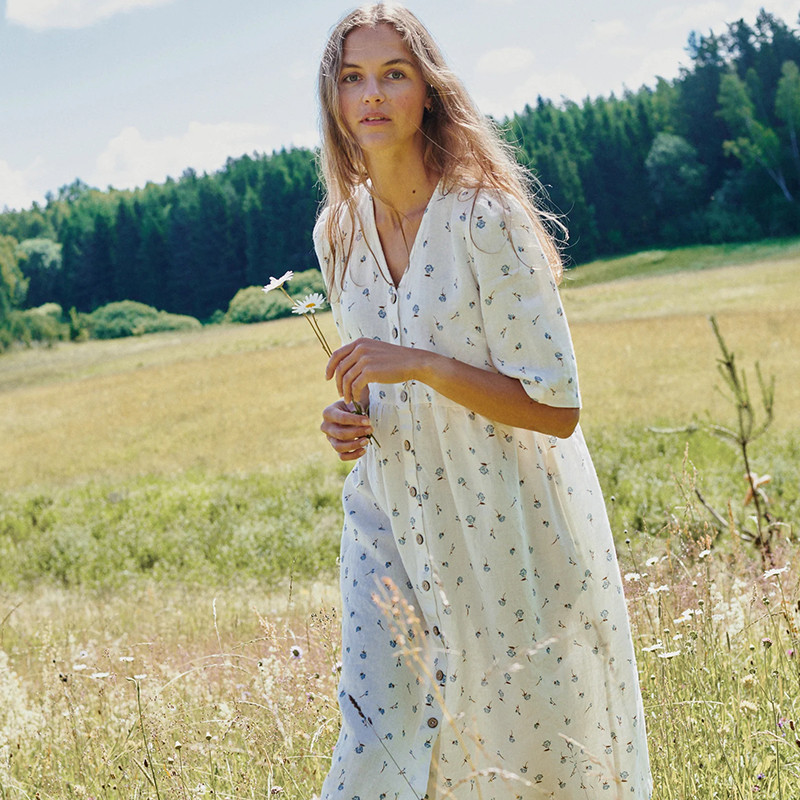
Custom Linen Clothing Development Process | Full Step-by-Step Guide
Developing custom linen clothing is a detailed, systematic process that turns creative design concepts into high-quality, market-ready garments. Linen’s unique physical properties—including breathability, texture, drape, and shrinkage behavior—require specialized handling at every production stage. For fashion brands looking to launch professional, consistent, and customer-loved linen collections, following a structured development process is essential to ensure fit, quality, durability, and aesthetic alignment.
A complete linen clothing development process covers everything from initial brainstorming and collection planning to fabric sourcing, pattern making, sample testing, bulk production, quality control, and final delivery. Each step plays a critical role in reducing errors, controlling costs, improving efficiency, and ensuring the finished garments meet brand standards and consumer expectations.
Most successful fashion brands partner with professional Linen Clothing Manufacturers to navigate the complex development journey. Expert manufacturers bring technical knowledge, fabric expertise, precision sampling, and scalable production capabilities that allow brands to focus on design and marketing while leaving production execution to specialists.
Step 1: Collection Planning and Design Concept Development
The custom linen clothing development process begins with thorough collection planning and design concept finalization. This stage lays the foundation for the entire project, defining the brand’s creative direction, target audience, market positioning, and product goals. Without clear planning, later stages such as sampling and production can become disorganized, leading to delays and inconsistencies.
During this phase, brand designers and product teams conduct market research, analyze consumer trends, evaluate competitor offerings, and define the unique selling points of their linen collection. Decisions are made regarding color palettes, silhouettes, functionality, seasonal suitability, and pricing strategy to ensure the final line meets market demand.
- Define seasonal themes, aesthetic direction, and brand storytelling
- Identify target audience preferences, fit needs, and usage scenarios
- Create detailed design sketches, mood boards, and reference images
- Develop technical packets with measurements, construction details, and trims
- Determine garment categories, quantities, and delivery timelines
Most comprehensive linen collections include staple pieces such as Linen Clothing Dresses, Custom Linen Shirts, bottoms, and layering pieces that serve as best-selling core items. Planning these essentials early ensures a balanced, commercial collection.
Step 2: Fabric Selection and Material Sourcing
Fabric selection is one of the most critical stages in custom linen clothing development. Linen varies widely in fiber quality, weight, weave, texture, color, finish, and performance—all of which directly impact garment look, feel, fit, and durability. Choosing the right fabric ensures the final design performs as intended and meets customer expectations.
Brands must evaluate fabric characteristics based on garment type: lightweight linen for flowy summer pieces, medium-weight linen for versatile everyday wear, and heavyweight linen for structured blazers and tailored styles. Fabric behavior, including shrinkage rate, wrinkle tendency, and color fastness, must also be tested and approved.
- Select appropriate linen weights (GSM) based on garment structure and season
- Choose fiber quality, including European flax or regular linen options
- Finalize color palettes and approve lab-dips for dye consistency
- Evaluate fabric finishing, including pre-wash, enzyme wash, and softening
- Test shrinkage, tensile strength, color fastness, and pilling performance
Understanding the characteristics of different Linen Clothing Styles helps brands make informed fabric decisions that enhance design aesthetics and functional performance.
Step 3: Pattern Development and Technical Design
Pattern development transforms 2D design sketches into 3D wearable garments. Expert pattern makers use precise measurements, anatomical understanding, and fabric behavior knowledge to create templates that determine how linen is cut, stitched, and assembled. This stage directly impacts fit, comfort, and silhouette accuracy.
Linen’s unique properties require special pattern adjustments, including extra seam allowances, shrinkage compensation, and structure reinforcements. Poor pattern making can result in ill-fitting garments, distorted shapes, or production difficulties, making this stage essential for quality outcomes.
- Create base patterns according to design measurements and size standards
- Grade patterns across multiple sizes for global market fit
- Adjust patterns to accommodate linen shrinkage and natural fabric movement
- Reinforce stress points for improved durability
- Finalize technical drawings for production clarity
Structured, tailored garments like Custom Linen Blazers require especially precise pattern development to ensure sharp lines, proper shoulder structure, and consistent fit across all sizes.
Step 4: Sample Development and Fit Testing
Sample development is where designs come to life. Creating physical prototype garments allows brands to evaluate fit, construction, fabric performance, and overall appearance before committing to bulk production. Fit testing and sample revisions are essential to eliminate fitting issues and improve design details.
Multiple rounds of sampling are common: first prototypes to test fit, revised samples to adjust details, and pre-production samples to confirm final construction. Each sample is inspected for stitching quality, proportion, comfort, and visual appeal.
- Develop first prototypes to test base fit and silhouette
- Conduct physical and wearable fit testing on model bodies
- Adjust patterns, seams, and proportions based on feedback
- Create final pre-production samples for approval
- Verify fabric, color, stitching, and trim accuracy
Relaxed, comfort-focused garments such as Custom Linen Loungewear often require extra fit adjustments to ensure freedom of movement, softness, and relaxed styling.
Step 5: Pre-Production Preparation
Once samples are fully approved, the project moves into pre-production preparation. This stage ensures all materials, technical files, and production guidelines are ready to avoid delays, errors, or inconsistencies during mass manufacturing.
Manufacturers prepare detailed production worksheets, confirm fabric and trim availability, finalize marker plans for cutting efficiency, and set quality control standards. Clear communication between brand and manufacturer at this stage ensures a smooth production flow.
- Confirm final measurement specs and size grading charts
- Prepare production patterns and marker layouts for minimal waste
- Order and inspect all fabrics, trims, buttons, and labels
- Set production timelines, quality checkpoints, and delivery schedules
- Train production teams on construction requirements
Thorough pre-production planning reduces material waste, shortens lead times, and improves overall product consistency, directly impacting cost efficiency and final quality.
Step 6: Bulk Production and Assembly
Bulk production begins once all pre-production preparations are complete. Linen garments are manufactured through a standardized sequence of cutting, sewing, assembly, and detailing. Professional production lines ensure consistency, efficiency, and high workmanship across hundreds or thousands of units.
Skilled workers handle linen carefully to preserve fabric integrity during cutting and stitching. Specialized techniques are used to maintain clean seams, accurate measurements, and structural stability throughout the assembly process.
- Fabric spreading, alignment, and precision computer cutting
- Professional stitching, seam finishing, and topstitching
- Attachment of trims, labels, buttons, zippers, and hardware
- Real-time quality checks during sewing operations
- Consistent construction across all sizes and colorways
Modern manufacturing facilities use standardized operating procedures to ensure every garment meets the brand’s quality standards and matches the approved pre-production sample.
Step 7: Washing, Finishing and Full Quality Control
After sewing is complete, most linen garments undergo specialized washing and finishing processes. These treatments enhance softness, stabilize fabric shrinkage, improve appearance, and create the signature lived-in texture that linen is loved for.
Every garment then passes through a rigorous quality control inspection to check for defects, stitching issues, stains, measurement accuracy, and color consistency. Only pieces that pass strict standards move forward to packaging.
- Garment washing, softening, and distressed finishing
- Steam pressing, shaping, and seam refinement
- Thread trimming, cleaning, and defect removal
- Full inspection for stitching, measurements, and appearance
- Rejection or repair of non-conforming pieces
Professional finishing and strict quality control ensure garments meet international retail standards, feel premium against the skin, and maintain consistent quality after home laundering.
Step 8: Packaging, Labeling and Global Delivery
The final stage of custom linen clothing development is packaging and delivery. Garments are carefully folded, labeled, and packed to protect them during shipping. Brands can customize packaging to enhance unboxing experiences and reinforce brand identity.
Manufacturers coordinate with logistics partners to ensure timely, secure delivery to warehouses, retail stores, or direct-to-consumer fulfillment centers. Proper packaging prevents creasing, staining, or damage during transit.
- Professional folding and protective polybag packaging
- Application of brand labels, size tags, and care instructions
- Carton packing, labeling, and shipping documentation
- Logistics coordination and shipment tracking
- On-time delivery according to brand schedule
OEM & ODM Development Solutions for Fashion Brands
Today’s fashion brands have flexible development options through OEM and ODM services, allowing them to choose the level of support that matches their internal capabilities. Both models offer efficient pathways to launch high-quality custom linen collections without building in-house production facilities.
OEM (Original Equipment Manufacturing) is ideal for brands with complete designs, technical files, and specifications. ODM (Original Design Manufacturing) suits brands seeking ready-made designs that can be customized with colors, logos, and minor modifications.
- OEM production: Brands provide full designs; manufacturer executes production
- ODM development: Manufacturer provides designs; brand customizes details
- Collaborative co-development for innovative custom collections
- Fast sampling, short production lead times, and low minimum order quantities
- Full support for sustainable and ethical production standards
Professional Linen Clothing OEM & ODM services streamline the entire development process, making high-quality linen production accessible to emerging and established fashion brands worldwide.
Start Your Custom Linen Clothing Development Journey
Creating a successful, high-quality linen collection is seamless when partnering with experienced Linen Clothing Manufacturers that specialize in fabric behavior, precise fit, structured development, and reliable production.
You can Request Samples to evaluate craftsmanship, fabric quality, and fit, or contact our professional team to Get a Quote for full custom linen clothing development and manufacturing.