Clothing Production Process Explained | Step-by-Step Guide (2026)
- Share
- Issue Time
- May 5,2026
Summary
Learn the full clothing production process from design to delivery. Step-by-step guide covering sampling, fabric, QC, and bulk production.
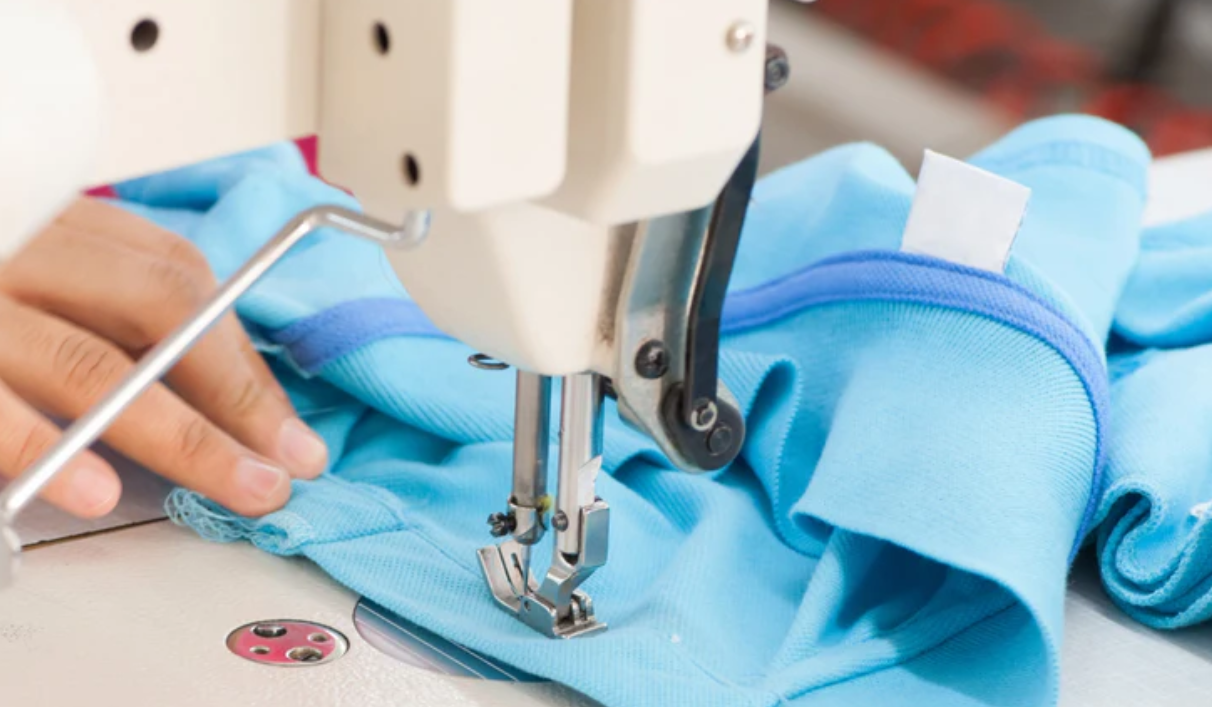
Clothing Production Process Explained: Step-by-Step Guide from Design to Delivery
Understanding the clothing production process is essential for fashion brands that want to control quality, cost, delivery timelines, and supplier communication.
This guide explains the full garment manufacturing process from design and tech pack development to sampling, fabric sourcing, bulk production, quality control, packaging, and shipping.
Introduction: Why Understanding the Production Process Matters
Many production problems happen because brands do not fully understand how garments are actually made. Delays, quality issues, unexpected costs, and communication problems often come from unclear specifications or missing production steps.
For brands working with experienced Linen Clothing Manufacturers, knowing each stage of the clothing production process helps improve planning, reduce risk, and build a more reliable long-term manufacturing partnership.
Key takeaway: A clear production process helps brands control timelines, prevent mistakes, confirm quality standards, and communicate more effectively with manufacturers.
Overview: Full Clothing Production Process
A standard clothing production process includes several connected stages. Each stage affects the next, so skipping details early can create problems later in sampling, bulk production, or delivery.
| Stage | Main Purpose | Typical Output |
|---|---|---|
| Design & Tech Pack | Define product details and specifications | Sketches, measurements, material notes, construction details |
| Pattern Making | Convert design into garment structure | Base pattern and size grading foundation |
| Sampling | Create first physical garment | Fit sample or development sample |
| Fabric Sourcing | Prepare materials for production | Approved fabric, color, trims, and accessories |
| Bulk Production | Mass manufacture approved garments | Finished production units |
| Quality Control | Check consistency and defects | Inspection results and approved goods |
| Packaging & Shipping | Prepare final delivery | Packed cartons and shipping documents |
Step 1: Design and Tech Pack Preparation
The clothing production process begins with a clear design concept. A brand may provide sketches, reference samples, product images, or a complete tech pack. The more detailed the information, the easier it is for the manufacturer to quote accurately and develop samples efficiently.
What Should Be Included?
- Flat sketches or reference images
- Garment measurements and size range
- Fabric type, weight, color, and finishing requirements
- Trim details such as buttons, zippers, elastic, labels, and hangtags
- Construction notes including seams, pockets, closures, lining, and stitching
- Packaging and private label requirements
A detailed tech pack reduces misunderstandings, sample revisions, and production delays. It also helps the factory evaluate material needs, labor difficulty, MOQ, and estimated cost.
Step 2: Pattern Making
Pattern making converts the design into production-ready templates. Patterns determine garment shape, fit, proportion, and size consistency. Even a beautiful design can fail if the pattern is inaccurate.
Key Pattern Making Activities
- Create the base pattern according to the design
- Adjust fit around key measurement points
- Confirm seam allowance and construction details
- Prepare size grading for different body measurements
- Support sample development and bulk cutting
For linen garments: Pattern making must consider fabric shrinkage, drape, structure, and washing behavior. Linen dresses, shirts, pants, and skirts may require different ease and finishing adjustments.
Step 3: Sampling
Sampling creates the first physical version of your garment. This stage allows the brand and manufacturer to test design accuracy, fit, fabric behavior, construction quality, and finishing before bulk production.
Sampling Process
- Manufacturer reviews design details and fabric requirements.
- Pattern maker develops the first pattern.
- Fabric and trims are selected for the sample.
- Sample is cut, sewn, finished, and checked.
- Brand reviews the sample and provides feedback.
| Sample Type | Purpose | Typical Timeline |
|---|---|---|
| Development Sample | Check design interpretation and construction feasibility | 7–14 days |
| Fit Sample | Check size, proportion, comfort, and garment shape | 7–14 days |
| Pre-Production Sample | Final approved reference before bulk production | Before bulk cutting |
For detailed timing, connect this article with your Clothing Production Timeline guide.
Step 4: Sample Review and Revision
Most first samples require adjustments. This is normal and should be expected. The purpose of sample revision is to correct problems before they become bulk production issues.
Common Sample Revisions
- Fit adjustment around bust, waist, hip, shoulder, rise, or length
- Fabric change due to drape, thickness, softness, or transparency
- Construction improvements such as seam placement, pocket size, or closure type
- Trim changes such as button style, elastic width, label placement, or zipper quality
- Finishing updates such as washing effect, pressing, or garment hand feel
Brands should confirm all sample changes in writing. Once the pre-production sample is approved, it becomes the reference standard for bulk production.
Step 5: Fabric Sourcing and Preparation
Fabric sourcing is one of the most important steps in apparel production. Fabric affects cost, MOQ, fit, drape, shrinkage, color, comfort, and final product positioning.
Key Fabric Considerations
- Fabric composition and fiber quality
- Fabric weight and GSM
- Color and dyeing method
- Washing, softening, or enzyme treatment
- Shrinkage rate and post-wash stability
- Fabric availability and minimum yardage
Fabric is often the largest cost component in linen clothing. For more details, read Linen Clothing Cost Guide.
Step 6: Bulk Production
Bulk production begins after the final sample, fabric, trims, size breakdown, packaging details, and order terms are confirmed. This stage turns approved designs into finished products at scale.
Main Bulk Production Steps
Cutting
Fabric is layered and cut according to approved patterns, markers, and size ratios.
Sewing
Garment parts are assembled through sewing lines based on construction requirements.
Finishing
Garments are washed, pressed, trimmed, checked, labeled, and prepared for packing.
Bulk production timeline depends on order quantity, style complexity, fabric readiness, and factory capacity. MOQ also affects production planning and unit cost. Learn more in Linen Clothing MOQ Explained.
Step 7: Quality Control
Quality control protects your brand reputation. A professional clothing manufacturer should inspect materials before production, monitor quality during sewing, and review finished garments before packing.
| QC Stage | Inspection Focus | Why It Matters |
|---|---|---|
| Fabric Inspection | Defects, shade variation, shrinkage, hand feel, and fabric width | Prevents material problems before cutting |
| In-Line QC | Stitching, seams, measurements, trims, and construction accuracy | Finds problems early during production |
| Final QC | Finished appearance, size tolerance, labels, packaging, and carton details | Ensures goods are ready before shipment |
For linen products, QC should also check shrinkage, color consistency, seam stability, and garment appearance after finishing.
Step 8: Packaging and Shipping
After garments pass final inspection, they are packed according to brand requirements. Packaging may include individual poly bags, size stickers, hangtags, care labels, barcode labels, carton marks, and private label packaging.
Common Packaging Items
- Main label and size label
- Care label and hangtag
- Individual bag or eco-friendly packaging
- Carton packing and carton marks
- Barcode labels if required by retailers
| Shipping Method | Typical Timeline | Best For |
|---|---|---|
| Express Courier | 3–7 days | Samples and urgent small shipments |
| Air Freight | 5–10 days | Time-sensitive orders |
| Sea Freight | 15–30+ days | Bulk shipments and cost control |
Common Clothing Production Challenges
Production problems are common when brands and manufacturers do not confirm details clearly. Many issues can be prevented through proper planning, written confirmation, and strong quality control.
Common Issues Brands Face
- Incomplete tech packs causing unclear quotations
- Fabric delays due to custom dyeing or limited stock
- Multiple sample revisions extending the timeline
- Measurement differences after washing or finishing
- Quality inconsistency between samples and bulk production
- Packaging details confirmed too late
- Shipping delays caused by incomplete documents
How to Optimize the Clothing Production Process
A smoother production process starts with preparation. Brands can reduce risk by improving product documentation, confirming details early, and working with experienced manufacturers.
1. Prepare a Clear Tech Pack
Clear specifications reduce misunderstandings and sample revisions. Include measurements, fabric notes, construction details, trims, labels, and packaging requirements.
2. Confirm Fabric Early
Fabric delays are one of the most common production bottlenecks. Confirm fabric quality, color, shrinkage, and availability before bulk production planning.
3. Limit Last-Minute Changes
Changing fabric, measurements, trims, labels, or packaging after production starts can cause delays and extra costs.
4. Plan MOQ and Cost Together
MOQ affects unit price, material sourcing, and production efficiency. Brands should plan quantity based on both budget and market demand.
5. Work with Experienced Manufacturers
Experienced manufacturers can identify risks earlier, recommend practical solutions, and help brands avoid repeated production mistakes.
Case Example: Typical Production Flow for a New Linen Brand
A new linen fashion brand may start with three custom styles: a linen dress, a linen shirt, and a linen skirt. The brand prepares references, confirms one medium-weight linen fabric, and begins sample development.
| Stage | Example Timeline |
|---|---|
| Design and details confirmation | 3–5 days |
| Sampling | 7–14 days |
| Sample revision | 3–7 days |
| Fabric preparation | 5–15 days |
| Bulk production | 20–35 days |
| Shipping | 7–30 days depending on method |
This example shows why planning early is important. Even a small collection needs design confirmation, fabric sourcing, sampling, revision, production, QC, and delivery coordination.
Why Work with Linenwind
At Linenwind, we provide full-service custom linen garment manufacturing for fashion brands, boutique labels, and sustainable apparel businesses. Our process supports product development, fabric sourcing, sampling, bulk production, quality control, packaging, and export coordination.
- Low MOQ support for small-batch testing
- OEM and ODM linen clothing services
- Custom development for dresses, shirts, tops, pants, skirts, and sets
- Fabric sourcing, sampling, production, QC, packaging, and export support
- Dedicated communication throughout the production process
You can explore related product development through our Custom Linen Dresses collection or learn more about our Linen Clothing OEM & ODM services.
Start Your Custom Linen Production Project
If you are preparing a linen apparel collection, Linenwind can help you clarify design details, develop samples, plan MOQ, control production quality, and manage delivery with a structured manufacturing process.
Contact UsFrequently Asked Questions
What is the first step in the clothing production process?
The first step is design and tech pack preparation. Brands should provide sketches, measurements, fabric requirements, trims, labels, packaging details, and target order quantity.
How long does the clothing production process take?
A typical production process can take 30–60 days, depending on sampling, fabric preparation, sample revisions, bulk order quantity, quality control, and shipping method.
When does bulk production start?
Bulk production usually starts after the final sample is approved, fabric and trims are confirmed, order details are finalized, and production terms are agreed.
Why is sampling important before bulk production?
Sampling allows brands to check fit, fabric behavior, construction, trims, finishing, and overall quality before committing to bulk production.
How can brands avoid production delays?
Brands can avoid delays by preparing clear tech packs, confirming fabrics early, limiting last-minute changes, approving samples on time, and working with experienced manufacturers.
Final Thoughts
Understanding the clothing production process helps brands manage costs, timelines, quality, and supplier communication more effectively. Each stage—from design and pattern making to sampling, fabric sourcing, bulk production, QC, packaging, and shipping—plays an important role in the final result.
By following a clear process and working with reliable manufacturers, brands can reduce production risk, improve garment quality, and build a more scalable apparel supply chain.