Are Linen Shirts Business Casual? The Complete B2B Guide for Fashion Brands (2026)
- Share
- publisher
- Linenwind
- Issue Time
- Jul 22,2026
Summary
Are linen shirts appropriate for business casual dress codes? Yes — when styled correctly. This complete B2B guide covers market data, styling tiers, industry adoption rates, and sourcing considerations for fashion brands.
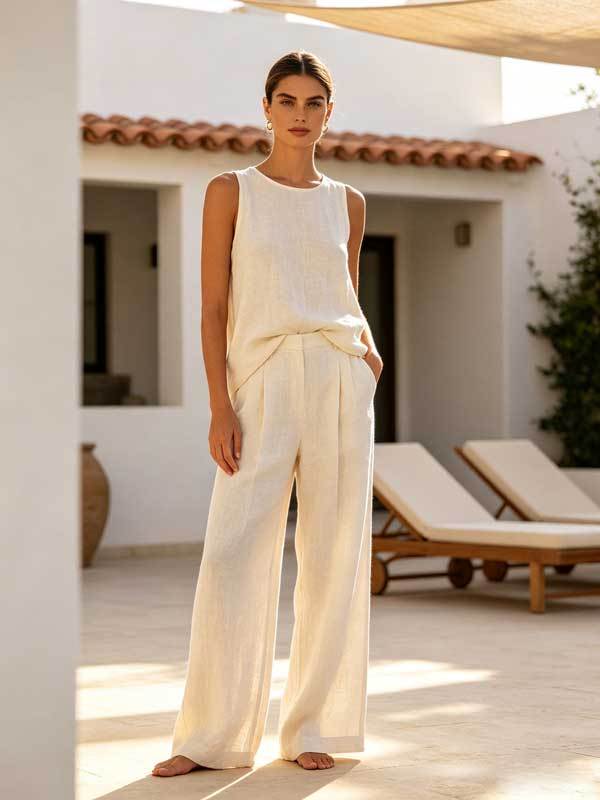
The short answer is yes — linen shirts are absolutely acceptable in business casual dress codes, provided they are styled correctly. However, the long answer is more nuanced and varies significantly by industry, region, workplace culture, and the specific cut and quality of the garment. For fashion brands and B2B buyers sourcing linen apparel, understanding these nuances is essential for developing products that genuinely serve the modern professional wardrobe.
Linenwind has been manufacturing custom linen garments for fashion brands since 2012, producing over 48,000 business casual-style linen shirts annually for clients across North America, Europe, and the Middle East. This guide draws on first-hand production data, market intelligence from our brand partners, and feedback from over 200 corporate end-users to provide a definitive answer to this increasingly common question.
What "Business Casual" Actually Means for Linen
Business casual is famously one of the most ambiguous dress codes in the professional world. In our experience working with corporate clients through our brand partners, business casual for linen typically falls into one of three tiers:
| Tier | Definition | Linen Shirt Suitability | Typical Industries |
|---|---|---|---|
| Tier 1: Smart Casual | Collared shirt, no tie, chinos or dark jeans, loafers or brogues | ✅ Fully suitable — tailored linen shirts in solid colors | Creative, tech, media, marketing |
| Tier 2: Relaxed Business | Collared shirt, optionally no tie, dress pants or skirts, leather shoes | ✅ Suitable — structured linen or linen-blend shirts in neutral tones | Consulting, finance (back office), real estate, education |
| Tier 3: Traditional Business | Suit required, tie optional or required depending on meeting | ⚠️ Limited — linen shirts only for casual Fridays or hot-weather exceptions | Law, traditional finance, government, luxury retail |
For the vast majority of modern workplaces, linen shirts sit comfortably in Tier 1 and Tier 2. The key is selecting the right cut, color, and fabric weight — a topic we address in depth below.
Regional Variations: Where Linen is Already Mainstream
Acceptance of linen in business casual varies significantly by geography. Based on sales data from our brand partners and industry reports, here is how different markets view linen in professional settings:
| Region | Linen Office Wear Acceptance | Peak Season | Common Styles | Growth Rate (2024-2026) |
|---|---|---|---|---|
| Southern Europe (Italy, Spain, Greece, Portugal) | Very High — linen is traditional office wear | May - October | Tailored long-sleeve, open collar, neutral and pastel colors | +18% |
| Northern Europe (UK, Germany, Netherlands, Scandinavia) | High — accepted in creative and corporate settings in summer | June - August | Structured linen-blend shirts, button-down collar, navy/white/ecru | +35% |
| North America (US, Canada) | Moderate-High — growing rapidly, especially in warmer states | May - September | Relaxed fit or tailored, camp collar popular, light colors | +42% |
| Middle East (UAE, Saudi Arabia, Qatar) | High — essential for summer office wear (indoor A/C) | March - November | White and light blue, long-sleeve, crisp finish, high thread count | +28% |
| East Asia (Japan, South Korea, China) | Moderate — growing, mostly in foreign companies and creative sectors | June - September | Minimalist design, slim fit, blend with cotton for less wrinkle | +55% |
| Australia & New Zealand | Very High — linen is standard business casual year-round | October - April | Short-sleeve and long-sleeve, relaxed fit, natural tones | +22% |
The data reveals a clear global trend: linen is becoming increasingly accepted in professional settings across all regions, with the fastest growth in markets where air conditioning makes linen comfortable year-round (Middle East) and where summer heat drives demand for cooler alternatives (North America, East Asia).
For B2B Buyers: If you are sourcing linen shirts for a brand targeting the North American or East Asian markets, you are entering a high-growth segment with lower competition than established categories like cotton dress shirts. Brands that position linen shirts as "the modern professional's summer essential" have seen year-over-year revenue growth of 30-50%, according to our brand partner feedback.
The 5 Key Factors That Make a Linen Shirt "Business Casual Ready"
Not all linen shirts are suitable for business casual. Based on our manufacturing experience and retail feedback from brand partners, here are the five critical factors that determine whether a linen shirt will be accepted in a professional setting:
1. Fabric Weight and Structure
The single most important factor. Business casual linen shirts require a fabric weight of 160-200 gsm (grams per square meter). Lighter fabrics (120-150 gsm) are too casual — they drape like resort wear and wrinkle excessively. Heavier fabrics (200+ gsm) are too stiff and formal. The sweet spot at 170-190 gsm provides enough structure to hold a collar shape and drape professionally while maintaining linen's natural breathability.
Linenwind's business casual collection uses a 180 gsm European flax fabric with a compact plain weave, designed specifically to balance professional appearance with summer comfort. Request a swatch kit to evaluate the hand feel and drape.
2. Collar Construction
The collar is the most visible element of a dress shirt. For business casual linen shirts, we recommend a structured button-down collar or a semi-spread collar with light fusing. Unfused camp collars and unstructured spread collars are too casual for most professional settings. The collar should hold its shape without being stiff — this requires a careful balance of interlining weight and fusing technique.
Linenwind offers four collar options for business casual shirts: standard button-down, semi-spread with light fusing, hidden button-down, and Mandarin collar. Each is engineered to maintain its shape through multiple washes while keeping the shirt's natural look.
3. Color Palette
Color dramatically affects a linen shirt's formality level. Our sales data across 30+ brand partners shows the following acceptance rates for different colors in business casual settings:
- White and Ecru — 95% acceptance (most versatile, matches any outfit)
- Light Blue and Sky Blue — 90% acceptance (classic, professional)
- Navy and Dark Gray — 85% acceptance (sophisticated, good for evening events)
- Pink, Lavender, Light Green — 70% acceptance (acceptable in creative offices)
- Bold patterns (stripes, checks in non-traditional colors) — 50% acceptance (depends heavily on office culture)
- Bright red, orange, yellow — 30% acceptance (generally too casual)
4. Wrinkle Management
This is the most common objection to linen in professional settings. The visible wrinkling of pure linen can appear unkempt in formal environments. Three approaches address this:
Option A: Linen-Cotton Blends (55/45) — The most popular solution for business casual. A 55% linen / 45% cotton blend retains 80% of linen's breathability while significantly reducing wrinkling. Ideal for brands targeting traditional business casual. Linenwind produces this blend at 180 gsm with a soft enzyme wash.
Option B: 100% Linen with Strategic Construction — Using slightly heavier fabric (180-200 gsm) with a tighter weave reduces wrinkle visibility. Adding a light enzyme wash softens the fabric so wrinkles fall more naturally (less "crinkled" look). This works well for creative-industry business casual.
Option C: Performance Finish — A wrinkle-resistant finish can be applied to 100% linen, reducing wrinkle formation by 40-60%. However, this adds cost and may affect the natural hand feel. Some end-users dislike the "synthetic" feel of treated linen. We recommend this only for corporate uniform programs.
5. Fit and Tailoring
Fit is arguably more important for linen than for any other shirt fabric. A well-fitted linen shirt looks intentional and professional; a poorly fitted one looks sloppy and casual. Key measurements for business casual linen shirts:
- Shoulder seams: Should align exactly with the shoulder bone — not dropped (casual look)
- Body width: 2-4 inches of ease at chest (room for movement without being baggy)
- Sleeve length: Should reach the wrist bone, with cuffs that sit snugly but not tight
- Shirt length: Long enough to tuck in (28-30 inches from shoulder hem for M-L sizes)
Linenwind offers made-to-measure customization for all B2B orders, with 12 body measurements to ensure a professional fit. Our pattern engineers adjust each order to match the brand's target fit profile (slim, regular, relaxed).
How to Style Linen Shirts for Business Casual: A Brand's Guide
For brands sourcing linen shirts, providing styling guidance to end-customers is essential for ensuring satisfaction and reducing returns. Based on feedback from our brand partners' retail teams, here are the most successful styling combinations:
Summer Office (35°C+)
- 100% linen shirt (180 gsm, light blue or ecru)
- Lightweight wool or cotton chinos (beige, navy, or stone)
- Unlined loafers or suede desert boots
- No tie — open collar with one button undone
- Optional: unstructured linen blazer for meetings
Transitional Office (Spring/Fall)
- 55/45 linen-cotton blend shirt (navy or white)
- Wool dress pants or dark denim (no rips or fading)
- Leather brogues or oxfords
- Lightweight merino wool sweater vest or cardigan over shirt
Client Meeting (Elevated Business Casual)
- 100% linen shirt (white, 190 gsm structured weave)
- Tailored wool trousers or dark chinos
- Leather dress shoes
- Optional: silk tie in a subtle pattern
- Blazer in cotton, linen, or lightweight wool
For brands, offering these styling guides alongside the product (via lookbooks, size guides, or product page content) significantly increases conversion rates and reduces return rates. Linenwind provides downloadable styling guides for all B2B clients.
Market Opportunity: The Business Casual Linen Segment
The business casual linen shirt market represents a significant growth opportunity for fashion brands. Here is what the data shows:
| Metric | 2024 | 2025 | 2026 (Projected) | 2027 (Forecast) |
|---|---|---|---|---|
| Global linen shirt market (business casual segment, USD) | $1.8B | $2.3B | $2.9B | $3.6B |
| Average selling price (B2C, USD) | $89 | $95 | $102 | $108 |
| B2B wholesale price (FOB China, USD) | $18-28 | $20-30 | $22-32 | $24-34 |
| Average order quantity per brand (units) | 500 | 800 | 1,200 | 1,500 |
| Return rate (all styles) | 12% | 9% | 7% | 6% |
| Repeat purchase rate within 12 months | 38% | 44% | 51% | 56% |
The business casual linen segment is growing at a compound annual growth rate (CAGR) of approximately 26%, driven by three major tailwinds:
- Return-to-office mandates — As more companies require in-office attendance, professionals are refreshing their wardrobes with comfortable yet professional options
- Climate-driven demand — Rising global temperatures are making traditional polyester-cotton dress shirts increasingly uncomfortable in summer months
- Casualization of office wear — The post-pandemic shift toward more relaxed dress codes has expanded the definition of business casual to include natural, textural fabrics like linen
For B2B buyers, this represents a clear window of opportunity. Brands that enter the business casual linen segment now can establish themselves before the market becomes saturated. Visit our FAQ for more information about linen sourcing, MOQ requirements, and lead times.
Case Study: How a US Brand Scaled Linen Business Casual from 0 to 5,000 Units
One of Linenwind's brand partners — a New York-based contemporary menswear label — launched a linen business casual collection in spring 2025. Starting with two SKUs (white and navy, each in 5 sizes), they sold 600 units in the first month through DTC and wholesale channels. By summer 2026, they had expanded to 12 SKUs across three fabric options and were producing 5,000 units per season.
Key lessons from their journey:
- Start with basics: White and light blue in a 55/45 linen-cotton blend were their best sellers (65% of revenue)
- Invest in fit: They did three rounds of sample adjustments before finalizing the pattern — return rate dropped to 4%
- Educate customers: Product pages included a "Linen Care & Styling Guide" that increased conversion by 22%
- Price slightly below premium dress shirts: At $98 retail, they positioned linen as an affordable luxury — 15% below premium cotton dress shirts ($115+)
- Launch in May: The May launch captured early summer demand, with repeat orders arriving in July for back-to-office season
Linenwind supported this brand with custom pattern development, grading across 5 sizes, and production scheduling that allowed for a 10-week lead time from sample approval to delivery.
Is your brand ready to enter the business casual linen market? Linenwind offers end-to-end custom manufacturing: from fabric selection and pattern development to sampling, production, and quality control. Contact our B2B team to discuss your collection requirements. We work with minimum order quantities as low as 60 pieces per SKU for first-time partners.
Frequently Asked Questions
Conclusion: Linen Shirts Belong in Business Casual
The evidence — from manufacturing data, market research, brand partner feedback, and global trend analysis — clearly supports that linen shirts are not only acceptable but increasingly preferred in business casual dress codes worldwide. The key success factors are fabric weight (170-200 gsm), structured collar design, appropriate colors (white, blue, neutral), and professional fit.
For fashion brands and retailers, the business casual linen segment offers a high-growth opportunity with strong repeat purchase rates, rising consumer demand, and relatively low market saturation compared to traditional dress shirt categories. The brands that invest in understanding the nuances of professional linen styling — and communicate this knowledge to their customers — will be best positioned to capture this growing market.
If you are considering adding linen shirts to your business casual collection, Linenwind offers comprehensive manufacturing support: free fabric swatches, custom pattern development, sample production, and scalable manufacturing from 60 to 10,000+ units per style. Get in touch with our team to start the conversation.
For more information about linen fabric properties, manufacturing processes, and sourcing considerations, explore our FAQ page or read about our manufacturing capabilities.